
Indulge in Luxury
That scratch beneath your jaw is not just an inconvenience. It can spoil the feel of a well-shaped beard, leave flakes on a dark shirt and make even a sharp grooming routine feel unfinished. If you are asking, why is my beard still itchy, the answer is rarely simply that you need more product. Persistent itch usually means your skin, your beard hairs or your routine need a more considered approach.
A great beard should feel as good as it looks: soft through the lengths, comfortable at the roots and carrying a scent that adds presence rather than irritation. Here is how to work out what is disrupting that standard.
Why Is My Beard Still Itchy After Grooming?
Beard itch begins at the skin. Your facial hair may be front and centre, but the skin underneath is doing the hard work. When it becomes dry, inflamed, clogged or sensitive, adding oil over the top can mask the issue briefly without resolving it.
The most common mistake is treating every itch as dryness. Dryness is certainly a frequent culprit, particularly in cold British weather, after central heating, or when hot showers become a daily habit. But an itchy beard can also come from product build-up, over-washing, coarse new growth, ingrown hairs or a reaction to an ingredient. The timing of the itch tells you plenty.
If it began when you started growing your beard, sharp hairs are likely irritating the skin as they emerge. If it appeared after changing a wash, balm or styling product, suspect sensitivity or residue. If your beard feels clean after a shower but becomes tight and itchy an hour later, stripping the skin's natural oils may be the problem.
New growth has a rough phase
Short, freshly growing beard hair has a blunt, wiry edge. As it curls back towards the skin, it can create that familiar prickly sensation, especially across the neck and jawline. This stage does pass, but shaving the area repeatedly to escape it tends to reset the problem.
Keep the skin clean and conditioned while you grow through it. A little beard oil applied directly to slightly damp skin can soften the hair and reduce friction. Do not flood the beard with it. A heavy coating can leave the skin congested, particularly if you have naturally oily or acne-prone skin.
Your cleanser may be too aggressive
Ordinary hair shampoo, body wash and heavily foaming face cleansers are not automatically beard-friendly. Used too often, they can remove the natural oils that keep facial skin comfortable. The result is a beard that looks freshly washed but feels dry, brittle and restless by lunchtime.
Use a mild beard shampoo rather than whatever happens to be in the shower. For most men, washing the beard two or three times a week is enough. You may need to wash more often if you train hard, work in dust or use substantial styling products, but the goal is clean skin, not squeaky-clean skin.
Keep the water warm rather than scorching. A hot shower feels good, yet it can make a dry, itchy beard worse. Rinse thoroughly too. Leftover cleanser beneath dense facial hair is an easy cause of irritation that is often missed.
Build-up can imitate dry skin
Oil, balm, wax, dead skin cells and city grime can gather at the roots of a fuller beard. When the follicles are coated, the beard can itch even though it feels greasy. Applying more oil because the itch resembles dryness only compounds the issue.
Give the beard a proper wash, then use a beard brush to lift hairs and gently move loose skin away from the roots. Brush with control, not aggression. Scraping hard at irritated skin can create micro-damage and make redness worse. If you use balm daily, pay extra attention to washing it out on your scheduled cleanse days.
Get Your Beard Routine Back on Form
The strongest fix is usually not a cabinet full of products. It is a consistent routine that gives the skin what it needs and removes what it does not. Start with a clean reset for a week or two, then judge the result rather than changing three things at once.
After washing, pat your beard dry. Do not rough it up with a towel like you are drying your hair. When it is still slightly damp, work a few drops of beard oil between your palms and press it into the skin beneath the beard first. Then draw the remainder through the lengths. This order matters: the skin needs the conditioning, while the hairs get the polished finish.
How much is enough depends on length and density. A close beard might need two or three drops, while a longer, fuller beard may need five or six. More is not more luxurious if it leaves a shine on your cheeks or residue on your collar. A premium routine should look controlled and feel weightless.
Comb or brush afterwards to distribute the oil evenly. It also trains hairs into shape, reducing tangles and the pull that can make your face itch throughout the day. If the beard is long or especially unruly, beard balm can add hold and protection after oil. Think of oil as skin and softness care; balm is the finishing layer for shape.
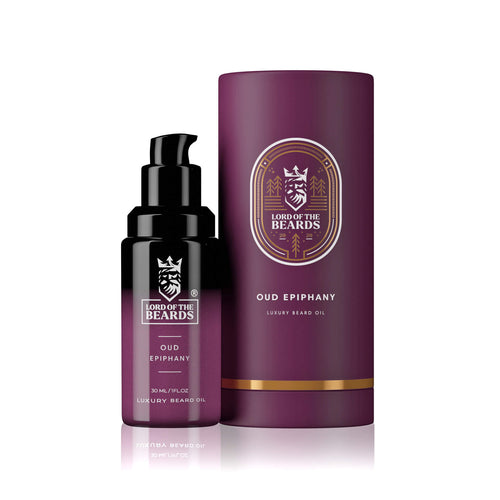
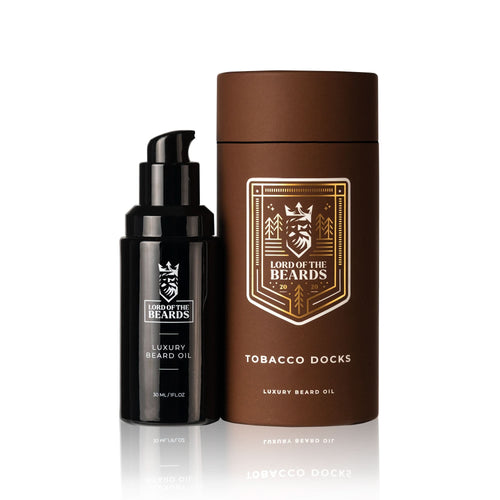
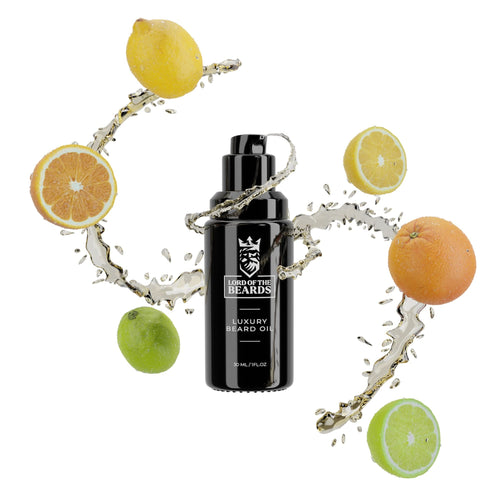
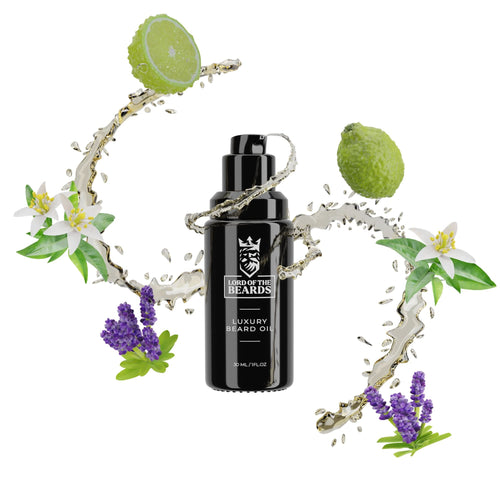
Fragrance deserves some thought as well. A beard product should make your grooming ritual feel elevated, whether you favour warm oud, tobacco notes or a crisp citrus profile. But a scent that feels too intense on already irritated skin is not a badge of honour. If you notice stinging, redness or itch soon after a fragranced product, stop using it for several days. Reintroduce products one at a time, ideally after a small patch test on the inner arm, so you can identify the trigger.
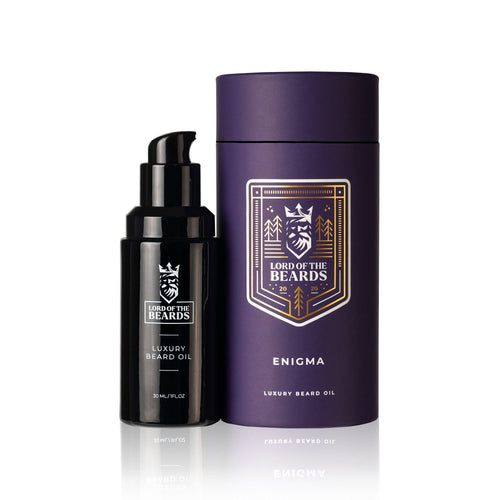
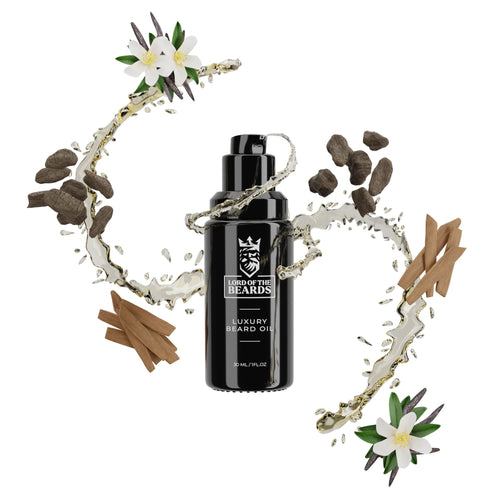
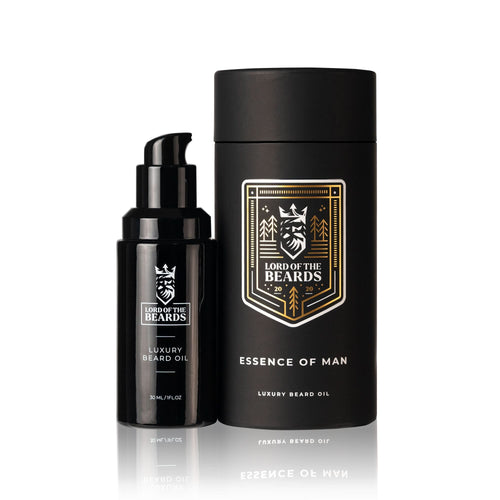
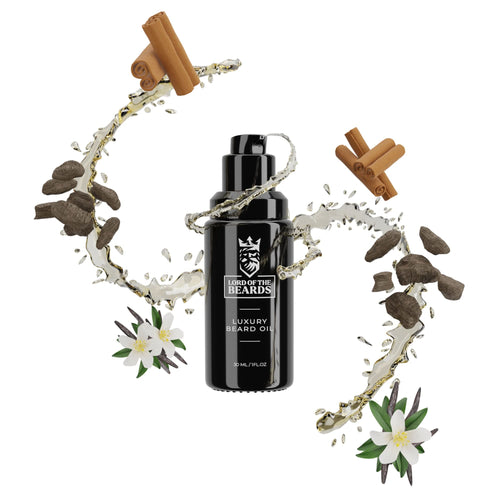
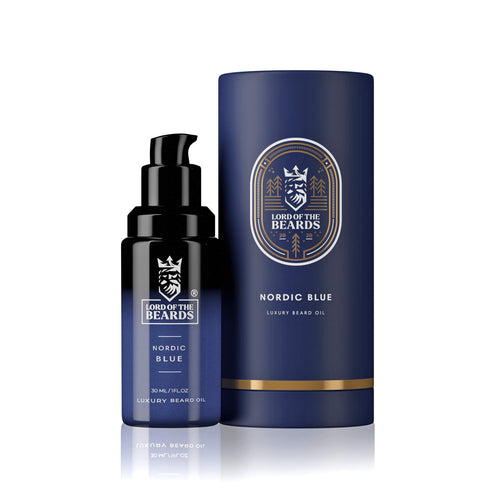
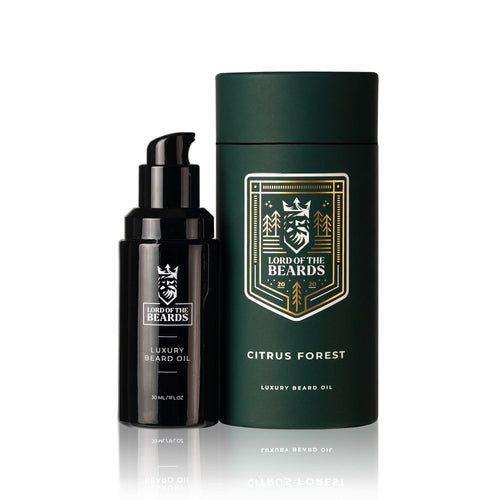
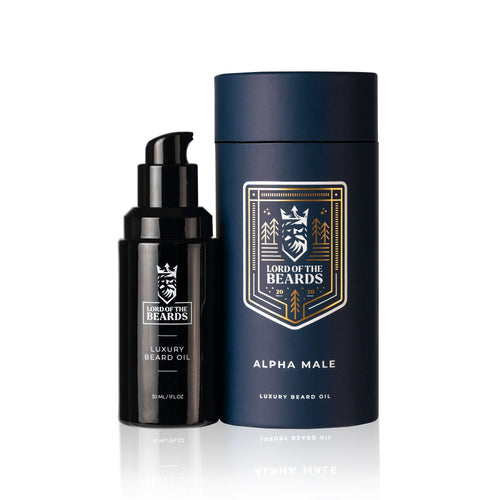
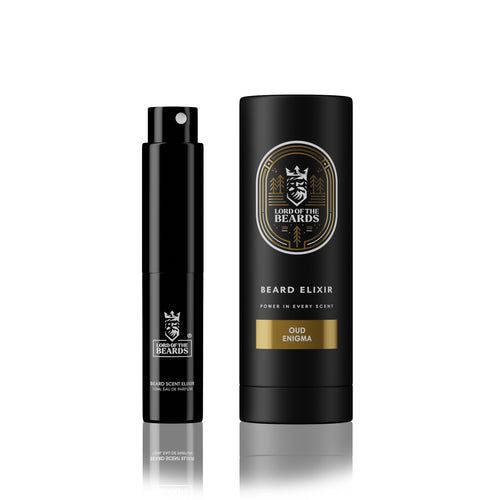
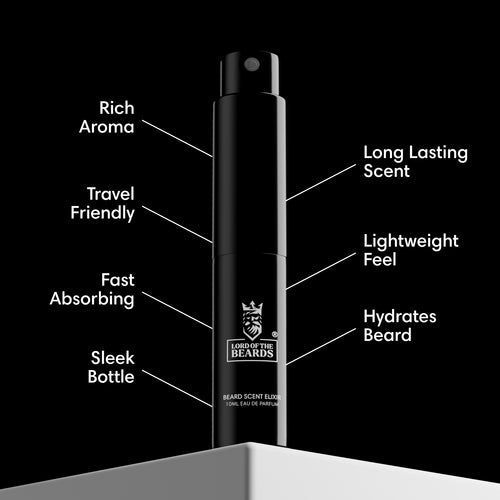
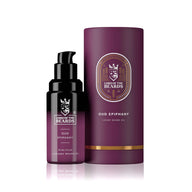
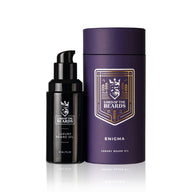
Lord of the Beards beard oil is designed to give the beard a lightweight, non-greasy finish while turning a daily conditioning step into a signature-scent moment. Even so, the right application and a healthy skin barrier are what make any quality oil perform at its best.
The Triggers Worth Checking
If your beard remains itchy despite a simpler routine, look at the habits around it. Small details can have a large effect on facial skin.
- Dirty tools: Brushes, combs and trimmers collect oil, loose hair and product residue. Wash brushes regularly with a mild cleanser and let them dry fully. Wipe trimmer guards after use.
- Pillowcases and towels: Your beard spends hours against them. Change pillowcases regularly and use a clean face towel rather than the damp towel everyone in the household reaches for.
- Shaving technique: Neckline tidy-ups can cause razor burn and ingrown hairs. Use a clean blade, avoid pressing too hard and shave with the direction of growth where possible.
- Weather and lifestyle: Wind, cold air, indoor heating, sweat and dehydration can all upset the skin barrier. Adjust your wash frequency and oil quantity rather than expecting one fixed routine to work all year.
When Beard Itch Needs Proper Care
A little itch during new growth or after a harsh wash is common. Ongoing discomfort is different. If you have persistent redness, painful bumps, cracking, yellowish scales, weeping skin, swelling or a rash spreading beyond the beard area, pause any new grooming products and speak to a pharmacist, GP or dermatologist. Conditions such as eczema, contact dermatitis, folliculitis and seborrhoeic dermatitis can resemble ordinary dry skin, yet may need targeted treatment.
Do not attack flakes with your nails or scrub them away with a stiff brush. That can damage the skin barrier and invite infection. Keep the area gently cleansed, avoid fragranced products until the irritation settles, and seek professional advice if it is severe, recurrent or not improving.
Your beard is part of your presence, but comfort comes first. Give the skin beneath it the same attention you give the shape, scent and finish, and that constant scratch can make way for a beard that feels properly worthy of its place.