
Indulge in Luxury
You can tell when a beard has been left to chance. The shape is off, the sides are puffing out, and the front looks like it had an argument with the wind. That is where the beard brush vs comb debate actually matters. This is not about picking a random tool and hoping for the best. It is about control, finish, and how your beard carries your presence from morning to night.
A good beard does more than sit on your face. It frames your jaw, sharpens your look, and adds weight to your style. The right grooming tool helps you get there faster. The wrong one can leave your beard snagged, flattened, overly fluffy, or just badly behaved.
Beard brush vs comb: the real difference
A beard brush and a beard comb do different jobs, even though plenty of men treat them as interchangeable. They are not. Think of the brush as your tool for training, smoothing, and distributing product. Think of the comb as your tool for detangling, shaping, and precision.
A brush usually has bristles that move through the outer layers of the beard and make contact with the skin underneath. That matters because it helps spread beard oil more evenly while also lifting away bits of dead skin and keeping the beard looking fuller but tidier. It is especially useful when your beard starts to develop volume and you want that volume to look intentional rather than wild.
A comb works in a more direct way. It separates the hairs, works through knots, and gives you cleaner lines when styling. If you are trying to define your beard before trimming, sort out a stubborn tangle, or guide a longer beard into place, a comb gives you more accuracy than a brush.
So the short answer is simple. If you want discipline and polish, reach for a brush. If you want control and detail, reach for a comb. Most men with a serious beard routine end up using both.
When a beard brush is the better move
A beard brush earns its place early in the game. If your beard is short to medium length, a brush often feels better and performs better than a comb. The bristles can grip shorter hairs without catching too aggressively, which makes the beard look more even and more substantial.
It also helps train growth direction. That matters more than many men realise. Beards do not grow in perfect symmetry. One side may sit flatter, one patch may kick outward, and the moustache may decide to head south at the worst possible angle. Regular brushing encourages the hairs to sit where you want them to sit. Over time, that makes styling easier.
There is also the oil factor. If you use beard oil properly, a brush helps spread it from root to tip so you are not left with one greasy patch under the chin and dry ends everywhere else. A well-brushed beard looks healthier because the product is distributed evenly and the surface catches the light better. That is part grooming, part presentation.
A brush is also excellent for men who want a fuller appearance. Brushing can lift the beard and create a stronger shape without making it look messy. It gives that groomed, heavyweight finish - neat enough for the office, strong enough for the evening.
When a beard comb comes into its own
Once your beard gets longer, denser, or more textured, a comb starts to prove its worth. It moves deeper into the beard and helps you deal with tangles before they become breakage. That is the key point. A comb is not just for appearances. It can prevent damage when used with a bit of patience.
Combs are especially useful after a shower, once the beard has been towel-dried and softened with oil or balm. At that point, the hairs are more manageable and you can guide them into place without dragging. If you have a medium to long beard, combing helps define the shape and stops the beard from bunching up around the chin and cheeks.
Precision is where the comb really wins. If you are trimming your neckline, tidying the moustache, or getting the beard into position before applying heat from a dryer, a comb gives you a cleaner read of the shape. A brush can smooth. A comb can sculpt.
That said, combs can be too harsh on shorter beards or wiry hair if you force them through dry knots. Technique matters. If the comb is pulling, stop. Add a little oil, start from the ends, and work upward. Your beard is not a hedge.
Beard length changes the answer
If you want the cleanest answer to beard brush vs comb, start with beard length.
Short beards usually benefit more from a brush. The bristles can catch the hairs properly, train them, and exfoliate the skin beneath. A comb often feels too rigid at this stage and does not offer much beyond basic moustache tidying.
Medium beards sit in the middle. This is where both tools start to make sense. A brush is ideal for daily grooming and product distribution, while a comb helps with shaping and detangling when needed.
Long beards usually need both, but the comb becomes more important. Length brings knots, and knots bring trouble. A brush still helps finish the beard and keep the outer shape looking rich and well-kept, but a comb is often the first tool you reach for when the beard needs proper management.
Texture matters too. Coarser beards often respond well to a brush because it helps tame the outer layer and spread product through stubborn hairs. Curlier or denser beards may need the deeper reach of a comb to prevent matting. There is no trophy for choosing one tool and refusing the other.
How to use each tool without wrecking your beard
The biggest mistake men make is not the tool itself. It is the aggression. If you attack your beard when it is bone dry, tangled, and full of yesterday's balm, even the best tool will feel like punishment.
Start with a clean beard or at least one that is not overloaded with product. Apply a few drops of beard oil and work it through with your hands. Let it sit for a minute. Then use your tool.
With a brush, go in the direction you want the beard to sit. Use steady strokes, not frantic scrubbing. You are shaping the beard, not sanding down a bit of timber. Focus on the cheeks, jawline, and under the chin where the beard tends to swell.
With a comb, begin at the ends if the beard is longer or tangled. Work gradually towards the roots. That reduces pulling and stops you from snapping hairs. For moustache work, use short controlled motions and comb outward or down depending on your style.
If you use a hair dryer on a low setting, both tools become even more effective. The brush helps create a fuller, smoother finish. The comb helps guide sections into place with more precision.
Do you need both?
In many cases, yes. Not because it sounds fancy, but because each tool handles a different part of the job. A brush is superb for everyday grooming, training, and giving the beard that refined surface. A comb is better for sorting out tangles, parting sections, and getting detail right.
If you only wear a short beard and keep it tightly maintained, a brush may be enough. If your beard is long, thick, or prone to knotting, a comb may be non-negotiable. But for men who take their beard seriously as part of their overall look, owning both is the smarter move.
It is no different from fragrance. One scent does not suit every setting. One tool does not suit every stage of beard care.
What to choose if you want a better-looking beard fast
If your beard is under a few inches and you want it to look neater today, buy a brush first. You will likely notice the improvement faster. The beard will sit better, look more uniform, and take oil more evenly.
If your beard is longer, gets knotted easily, or you shape it carefully each morning, start with a comb. You need control before you need finish.
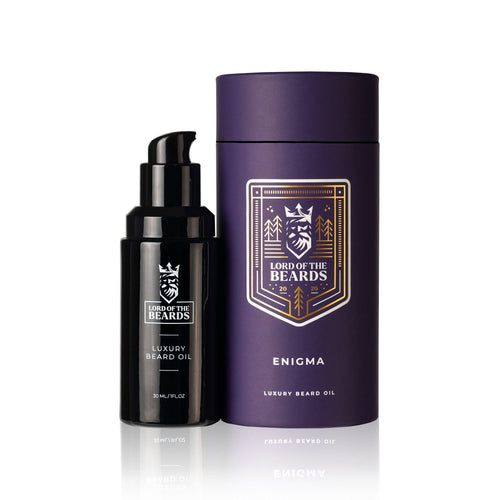
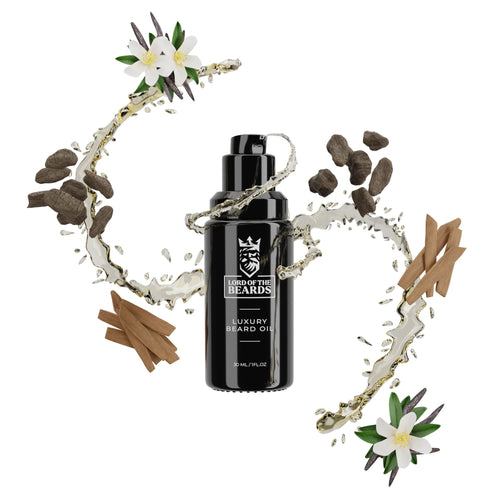
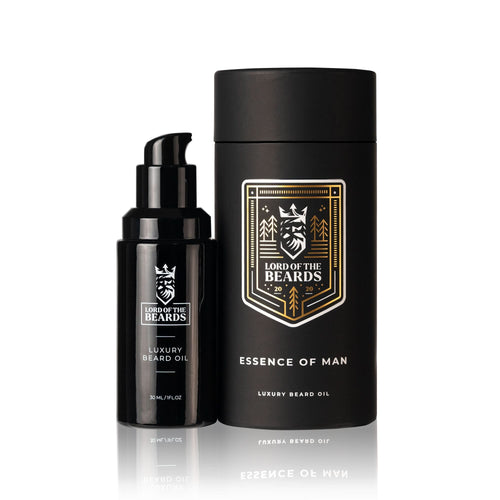
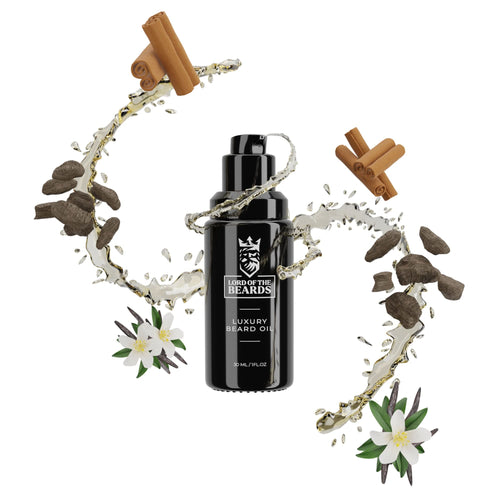
The strongest routine, though, is simple. Use a comb to detangle and define. Use a brush to smooth, train, and finish. Add a quality beard oil with a scent that carries itself properly, and your beard stops looking like an afterthought. It starts looking deliberate.
That is the difference. A decent beard fills space. A well-groomed beard creates presence. Choose the tool that suits your length, your texture, and your routine - then use it like a man who means it.