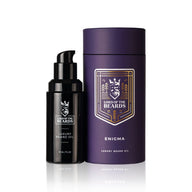

Indulge in Luxury
Your beard can look sharp after a shower, then seem to develop a mind of its own by lunchtime. One side flicks out, the moustache takes a turn towards your lip, and those wiry chin hairs refuse to follow the line you set. So, why does beard hair curl when the hair on your head may sit relatively straight?
The short answer is biology. The more useful answer is that your follicles, hair-shaft shape, growth direction and daily grooming habits all play a part. Curl is not a sign that your beard is unruly or inferior. It is simply part of its character. The goal is not to erase it, but to put it under your command.
Why does beard hair curl more than scalp hair?
Beard hair is usually thicker, coarser and more irregular in shape than the hair on your scalp. It also tends to grow from the skin at different angles. That combination creates texture, volume and, for many men, a natural curl pattern that becomes more obvious as the beard gains length.
The main factor is the follicle - the small pocket beneath the skin where each hair begins. A round, symmetrical follicle is more likely to produce a straighter hair shaft. A curved or oval-shaped follicle encourages the hair to form bends, waves or tight curls as it grows. Genetics largely decide the shape of those follicles, which is why beard texture often runs in families.
There is no universal beard pattern. One man may have a straight jawline beard with a tightly curled moustache. Another may find the cheeks lie flat while the chin grows out in spirals. A beard is a collection of separate growth zones, not one perfectly uniform surface.
Hormones matter too. Androgens, including testosterone and dihydrotestosterone, influence facial-hair growth during and after puberty. They help turn softer facial hair into the denser, terminal hair associated with a full beard. They do not dictate a single texture, but they affect thickness and coarseness - two qualities that can make a natural curl feel more pronounced.
The shape of the hair shaft changes the look
A beard hair that appears curly is not always tightly coiled from root to tip. Sometimes it is simply flat or elliptical rather than round. As it emerges, the uneven shape causes it to bend. Add a little humidity, friction from a scarf or collar, and a few hours of movement, and that slight bend becomes far more noticeable.
Beard hair also has a tougher outer layer than much of the hair on your head. This makes it feel substantial, but it can be less flexible when dry. When coarse strands lack conditioning, they push away from neighbouring hairs rather than settling into a cleaner line. What looks like extra curl is often curl plus dryness, split ends and a lack of direction.
That is why a beard can feel softer and look more controlled without changing its natural pattern. You are improving the condition of the hair and the skin beneath it, not rewriting your genetics.
Why your beard seems curlier as it grows
Length gives each hair more room to show its natural shape. At stubble length, a curved strand has nowhere to go. At several centimetres long, that same hair can bend, loop or turn back towards the skin. This is especially common around the neck, under the chin and at the corners of the mouth.
Longer beards also create more friction. Hairs rub against each other, your clothing and your pillow. If the beard is dry, that friction makes strands catch and clump. Curly growth can then look uneven even when the beard itself is healthy.
Humidity can add another layer. Hair absorbs moisture from the air, and the bonds inside the shaft can temporarily shift as it dries. For some men, damp British mornings bring a fuller, curlier beard by the time they reach work. For others, central heating and cold wind pull moisture out of the hair, leaving it wiry and untamed. Your beard may need a slightly different routine in January than it does in July.
Can you make curly beard hair straight?
You can make it appear straighter, smoother and more intentional. You cannot permanently turn naturally curly beard hair into straight hair with oil, balm or a brush - and any product claiming otherwise deserves a hard look.
Heat styling can temporarily stretch and redirect the hair. A beard brush used with gentle warm air can make a medium or long beard sit neater, particularly along the cheeks and jaw. The trade-off is heat damage if you overdo it. High temperatures can dry out coarse facial hair and leave it more brittle, which creates the very flyaways you were trying to fix.
Chemical straightening is another route, but it is rarely worth the risk for most beards. The skin on the face is sensitive, and harsh treatments can cause irritation, breakage or an unnatural finish. A strong beard should look groomed, not pressed flat.
A better standard is control. Let the beard keep its natural body while directing its outline, reducing roughness and making the scent of your grooming routine part of your presence.
How to control a curly beard without fighting it
Start with clean hair, but do not wash it aggressively every day with ordinary shampoo. Facial hair and the skin beneath it can become dry quickly. Use a beard shampoo when needed, rinse thoroughly, and pat dry rather than rubbing the beard hard with a towel.
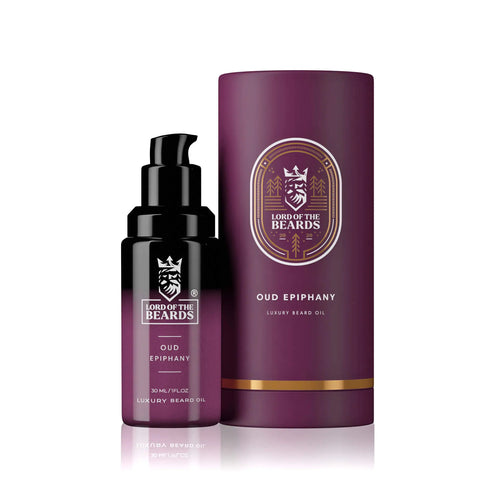
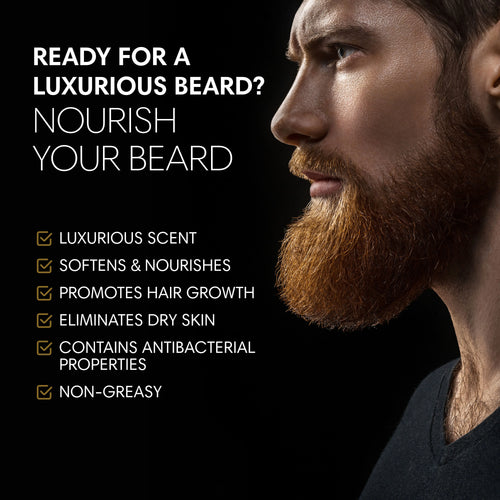
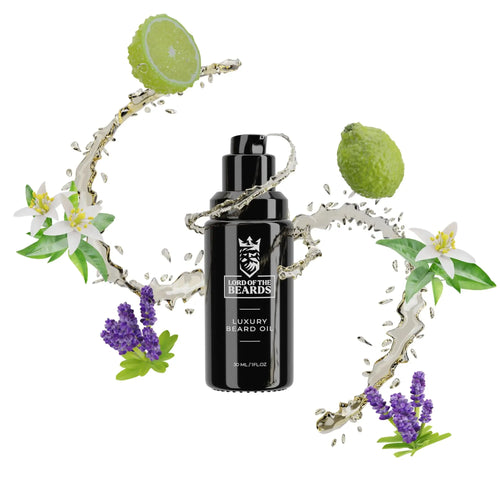
Apply beard oil while the hair is slightly damp or completely dry, depending on what your beard prefers. A few drops worked through to the skin can soften coarse strands, reduce the scratchy feel and make brushing easier. It also helps the beard carry a refined scent close to you, rather than leaving it smelling like whatever was in the shower.
For a beard that needs more hold, follow oil with a small amount of beard balm. Oil conditions; balm adds weight and light control. That distinction matters. If your beard is short and prickly, oil may be enough. If it is longer, curls outward at the sides or loses its shape by mid-afternoon, balm can keep the silhouette sharper.
Use a quality beard brush or comb after applying your product. Brush down and outward first to separate the hairs, then guide them into the direction you want them to sit. Do not drag a brush through knots. Begin at the ends, work patiently, and move closer to the roots as the hairs loosen.
For the strongest result, keep these four habits consistent:
- Wash with a beard-friendly cleanser rather than stripping the beard with harsh shampoo.
- Condition and soften daily with beard oil, focusing on the skin as well as the hairs.
- Use balm when you need shape, definition and a little extra authority.
- Trim split or wildly uneven ends every few weeks instead of chasing perfect symmetry every morning.
When curly beard hair points to a problem
Curl itself is normal. Sudden changes in texture, patchy breakage, persistent itching or sore skin are different matters. Dry skin, product build-up, dermatitis and ingrown hairs can make a beard feel rougher and look less even. Give your routine a reset with gentle washing, careful conditioning and clean tools.
If redness, flaking or discomfort continues, speak to a pharmacist, barber with genuine beard-care experience, or a GP. More product is not always the answer. Sometimes the best grooming move is identifying what your skin is reacting to.
Your beard does not need to grow ruler-straight to look premium. A natural curl, conditioned properly and shaped with intent, gives it depth and distinction. Keep the skin comfortable, the hairs soft and the outline deliberate - then let the texture do what it was born to do.