
Indulge in Luxury
Your beard oil does more than soften a rough edge or tame the flyaways around your jaw. It sits close to the face all day, which makes the scented vs unscented beard oil decision a matter of comfort, confidence and personal style. Choose well and your morning routine finishes with a refined scent that feels like part of your presence. Choose poorly and even a good beard day can feel a little off.
For many men, beard oil is the fastest route from dry, unruly facial hair to a beard that looks deliberate. The carrier oils condition the beard and the skin beneath it; the fragrance decides whether that routine remains purely functional or becomes something people notice when they get close.
Scented vs Unscented Beard Oil: The Real Difference
At their core, scented and unscented beard oils should deliver the same essential grooming benefits. A quality oil helps soften coarse hairs, reduces the scratchy feel that comes with dryness, adds a healthy-looking sheen and makes a beard easier to shape. The difference is not whether one is “real” beard care and the other is not. It is how you want your grooming routine to show up in the world.
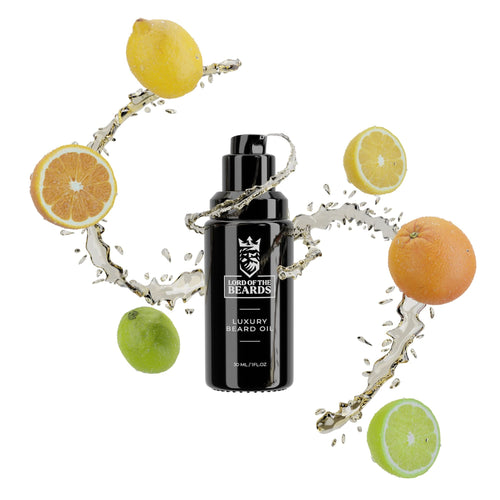
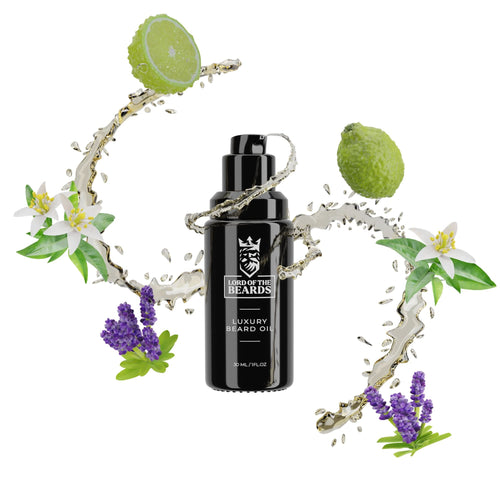
Scented beard oil is for the man who sees his beard as part of his personal brand. It leaves behind a controlled, close-wearing fragrance that can add warmth, freshness or depth to the day. Think citrus and woods for a sharper morning mood, cool aromatic notes for clean confidence, or tobacco and oud-inspired profiles for a richer, more distinctive finish.
Unscented beard oil keeps the attention on conditioning. It is often the better choice if fragrance gives you headaches, your skin reacts easily, or you already wear an aftershave or eau de parfum that you do not want competing with your beard. It is quiet, practical and easy to layer.
Neither choice is automatically superior. The best beard oil is the one you will enjoy applying every day and that leaves your beard feeling comfortable from breakfast through the last meeting, pint or dinner reservation.
Why Scented Beard Oil Has the Edge for Many Men
A great scented beard oil bridges the gap between grooming and fragrance. Unlike a powerful spray applied to the neck or chest, beard oil tends to stay close to you. It is discovered rather than announced. That makes it ideal for men who want to smell put together without filling the room before they enter it.
The right scent can also make consistency easier. Beard care works best when it is regular, especially if you are growing out a beard or dealing with dry skin beneath fuller facial hair. When applying oil gives you a moment of rich woods, bright citrus or smooth smoky warmth, it stops feeling like another task on the bathroom shelf. It becomes a ritual worth keeping.
Scent is also a practical way to create a recognisable signature. Your clothes, haircut and beard shape all say something before you speak. A fragrance-led beard oil adds another detail to that picture. A crisp, clean profile may suit the gym, office and everyday wear. A deeper, more resinous scent can feel right for evenings, colder months and occasions when you want a little more presence.
This does not mean your beard oil needs to replace your favourite fragrance. In fact, it usually works best as part of a considered scent wardrobe. Keep the profiles compatible. Fresh beard oil pairs well with light citrus, aquatic or aromatic fragrances. A warm woody oil sits naturally beside amber, leather, spice or oud-style scents. When both products are strong but unrelated, the result can feel confused rather than confident.
When Unscented Beard Oil Is the Smarter Choice
Unscented does not mean second best. It means the oil has a specific job: nourish the beard, condition the skin and get out of the way. That simplicity is valuable in several situations.
If you have sensitive skin, start with unscented. Fragrance is not always a problem, but it can be an extra variable when your skin is already prone to redness, itching or irritation. A beard can hide what is happening underneath, so a calm, comfortable feel matters more than a bold aroma. Patch test any new product, and if irritation persists, stop using it.
An unscented oil also earns its place if your aftershave or cologne is non-negotiable. Some fragrances are subtle enough to layer with almost anything; others have a clear identity that deserves space. Applying an unscented beard oil lets the fragrance you have chosen take centre stage while your beard still gets the softness and control it needs.
It is also a thoughtful option for work settings where fragrance should be kept to a minimum. Healthcare, hospitality, shared offices and close-contact roles can call for a more discreet routine. You can still maintain a beard that looks sharp without bringing a scent profile into every conversation.
Match the Scent to Your Routine, Not Just the Bottle
The best scented beard oil should suit how you actually live. A fragrance may smell impressive from the bottle but feel too heavy for a busy commute, warm weather or a full day spent indoors. Start by thinking about the occasions you want it for.
For daily wear, clean citrus, green notes, cool woods and gentle aromatics are usually easy to live with. They give the beard a freshly groomed feel without becoming tiring. If your style leans more tailored, darker profiles with woods, tobacco, spices or resinous depth can add a confident finish that feels closer to a fine cologne.
Season matters too. Bright, crisp scents often feel more natural in spring and summer, while warm, smoky and woody oils come into their own in autumn and winter. There are no rules carved in stone, of course. If a bold oud profile makes you feel like your best self in July, wear it. Grooming should sharpen your identity, not box it in.
For gift buyers, scent is the main judgement call. If you know the recipient prefers strong aftershaves, darker fragrances or statement style, a premium scented beard oil can feel personal and considered. If you are uncertain about his fragrance preferences, an unscented option is the safe, useful choice. It delivers the core beard-care benefit without the risk of a scent he will not wear.
How to Avoid a Fragrance Clash
The most common mistake is treating beard oil and cologne as two separate decisions. They meet on the same person, often within the same hour. You do not need matching notes, but they should feel as though they belong in the same room.
Keep it simple. If your beard oil is rich, smoky or sweet, use less cologne or choose something restrained. If your beard oil is fresh and subtle, it gives you more freedom to wear a bolder fragrance elsewhere. On days when you want a signature scent to do all the talking, reach for unscented oil.
Application quantity matters as well. More oil does not create a better beard. For shorter beards, two to three drops is often enough. Medium and fuller beards may need four to six drops, worked first into the skin beneath the beard and then through the lengths. Start small, add only when needed, and comb or brush through for an even finish. This prevents greasiness and keeps the fragrance controlled rather than overwhelming.
Choose for Skin, Then Choose for Style
A luxury beard oil should feel lightweight, absorb well and leave the beard touchably soft, whether it is scented or unscented. If the formula leaves your beard looking slick for hours, stains your collar or feels uncomfortable against the skin, the scent will not save it. Performance comes first.
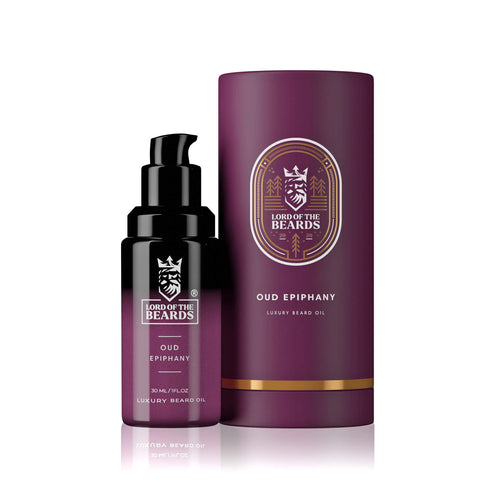
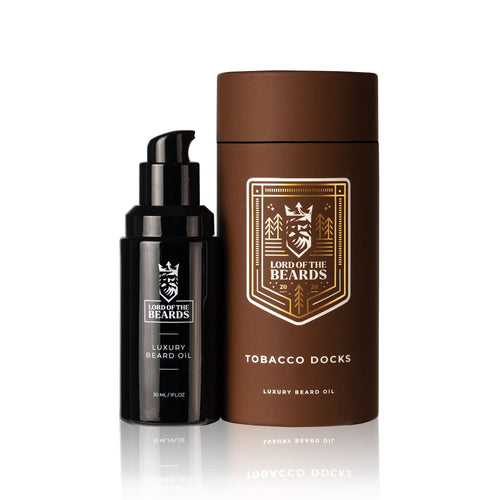
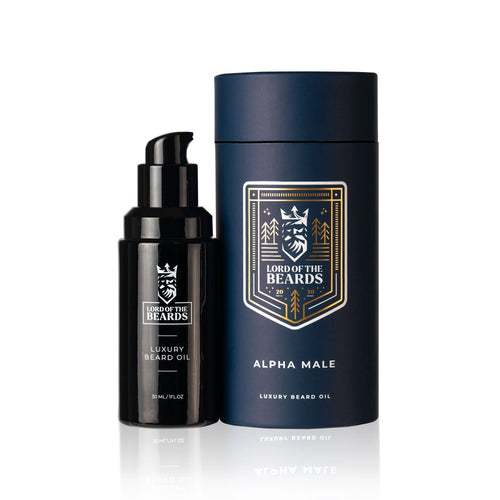
Once you have found a formula your skin and beard respond to, fragrance becomes the enjoyable part. Lord of the Beards built its beard oil range around that idea: grooming that conditions the beard while giving you a scent with character, from bright and invigorating to dark and commanding.
There is no need to pledge loyalty to only one camp. Keep an unscented oil for sensitive-skin days, fragrance-heavy evenings or situations where discretion wins. Keep a scented oil for the mornings when you want your beard to feel as considered as the rest of your look. The smartest choice is the one that fits the man, the moment and the impression you want to leave behind.