
Indulge in Luxury
By 10am, your beard should look sharp - not like it has already lost the fight. If you are searching for how to stop beard greasiness, the fix is usually not to use less care. It is to use the right care, in the right amount, in the right order. A beard can feel rich, soft and well-groomed without looking oily. That is the standard.
Greasy beards usually come from one of three things. You are overloading it with product, your washing routine is stripping the skin and forcing it to produce more oil, or your beard length and texture need a different balance than what you are currently using. Sometimes it is all three. The good news is that a greasy beard is rarely a mystery. It is a routine problem, which means it has a routine fix.
Why your beard gets greasy in the first place
Your beard sits on top of skin that naturally produces sebum. That is normal. Sebum helps protect the skin and stops hair from becoming brittle. The problem starts when that natural oil builds up, mixes with sweat, trapped dirt, dead skin and heavy product, and then sits there all day.
Shorter beards often look greasy faster because there is less hair to spread the oil through. Thicker or curlier beards can also become greasy at the roots while still feeling dry through the ends, which is why many men make the mistake of adding more oil. That solves one issue and creates another.
Climate matters too. Warm weather, gym sessions, commuting and wearing hoods or helmets can all make a beard feel slick sooner. In winter, central heating can dry the beard out, leading some men to overapply oil to compensate. If your beard feels greasy by lunchtime, your environment is part of the story.
How to stop beard greasiness without drying it out
The fastest way to ruin a beard is to treat all oil as the enemy. If you blast it with harsh face wash or shampoo every day, you may get a clean feel for a few hours, but your skin often answers by producing even more oil. That rebound effect is why some men feel stuck in a cycle of wash, degrease, repeat.
A better move is to reset your routine. Wash your beard with a proper beard shampoo two to four times a week, depending on your skin type, activity level and the season. On non-wash days, rinsing with lukewarm water is often enough. If you work in a dusty setting, train daily or use styling products often, you may need the higher end of that range. If your skin is naturally dry or sensitive, fewer washes usually work better.
Water temperature matters more than people think. Hot water can leave the skin tight and irritated, which is not the same as clean. Lukewarm water lifts grime without pushing your skin into overdrive.
Drying matters just as much. If you leave your beard damp and then add oil, you can end up trapping water and product in a way that feels heavy rather than conditioned. Pat it dry with a towel. Do not scrub it like you are sanding down a bit of wood.
Your beard oil may not be the problem - your dosage is
Men often blame beard oil when the real issue is using enough for a Viking beard on a short boxed cut. A premium beard oil should disappear into the beard, soften it and leave a clean finish. If your beard looks wet for hours, you are almost certainly using too much.
For shorter beards, start with two to three drops. Medium beards may need three to five. Longer, fuller beards can handle more, but even then, build up gradually. Rub the oil between your palms, work it into the skin first, then pull the remainder through the beard. If you only smooth it over the surface, it sits on top and gives that shiny, greasy look.
Timing makes a difference. Oil works best when the beard is clean and slightly damp, not dripping. Putting oil onto an already greasy beard is like spraying fragrance over yesterday's shirt. It does not fix the foundation.
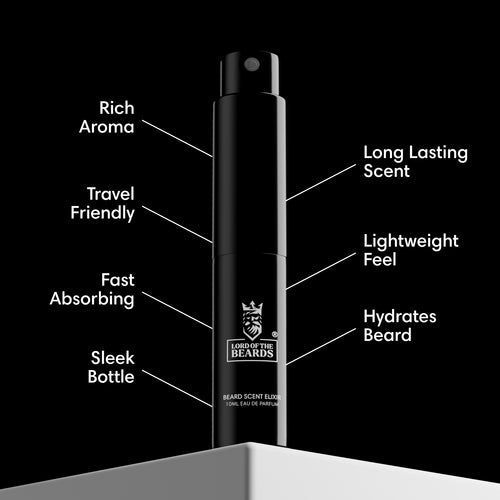
There is also the question of formula. Some oils are heavier than others. If your beard is fine, straight or shorter in length, a lightweight, fast-absorbing oil usually gives a better finish than a dense formula. You want control, softness and scent - not residue.
Beard balm, butter and wax can tip things over
If your beard still feels greasy even after cutting back on oil, look at what else is in rotation. Balm adds hold and structure, but layering too much balm over too much oil is where many routines go wrong. The beard ends up coated rather than groomed.
This does not mean balm is off the table. It means you need to use products with intent. If your beard needs shape, use a small amount of balm and reduce your oil. If your beard feels healthy already, you may not need both every morning. On colder days or for longer beards, the combination can work brilliantly. On a humid day with a shorter beard, it can be overkill.
Think of product balance the same way you would think about fragrance. Presence matters. Overdoing it does not make it more refined.
Brush and comb your beard properly
A greasy patch at the chin or sides is often a distribution problem. The natural oils and product are sitting in one area instead of moving through the beard. That is where a good beard brush or comb earns its place.
Brushing helps spread oil evenly, lifts trapped debris and trains the beard into shape. It also stops product from pooling near the surface. For shorter beards, a brush often works better. For longer beards, a comb can help detangle before brushing through.
Be gentle. Raking aggressively through knots can irritate the skin underneath, which may trigger more oil production or flaking. Controlled grooming looks better and keeps the beard healthier.
Watch the skin under the beard
If the skin beneath your beard is congested, greasy or flaky, the beard itself will never fully behave. This is the part many men ignore because they focus on the hair. But the beard grows from skin, not from wishful thinking.
Exfoliating once or twice a week can help lift dead skin and reduce the build-up that makes a beard feel heavy. Keep it gentle. Over-exfoliating can leave the skin reactive and oily. If you are prone to spots around the beard line, check whether your current products are too rich or whether you are not rinsing thoroughly.
Diet, stress and sleep also have a say here. If your skin is oilier than usual, the beard often follows. No grooming product can completely outwork chronic stress, poor sleep and a diet built on convenience.
Common mistakes that make beard greasiness worse
The biggest mistake is panic-washing. The second is product stacking without a reason. The third is copying someone else's beard routine as if all beards behave the same way.
A dense beard with coarse hair can drink in oil that would swamp a finer beard. A man working outdoors in winter will need a different routine from someone spending all day in an office with recycled air. Even your haircut can change how your beard looks. A tight fade and sharp beard line make shine look more obvious, while a fuller, more rugged shape can hide some of it.
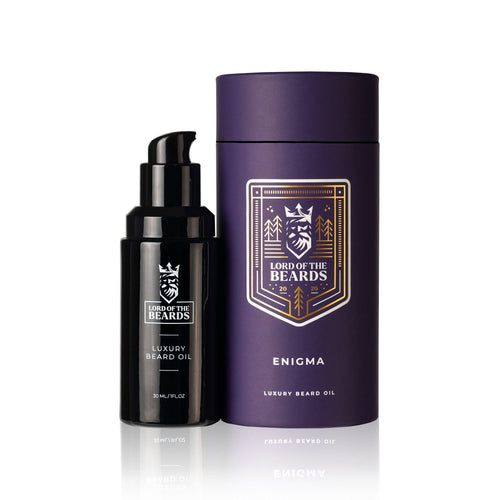
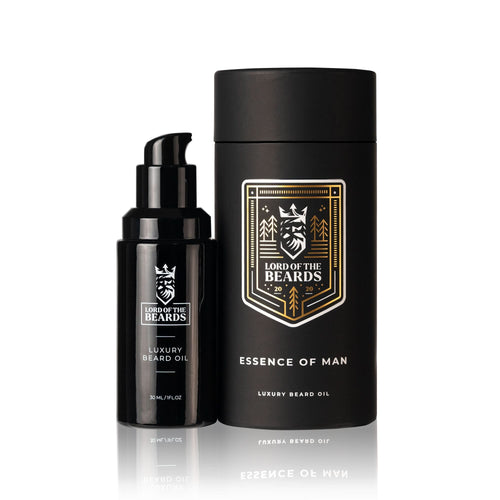
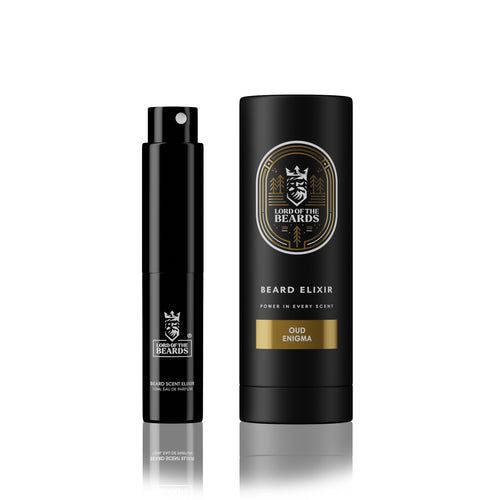
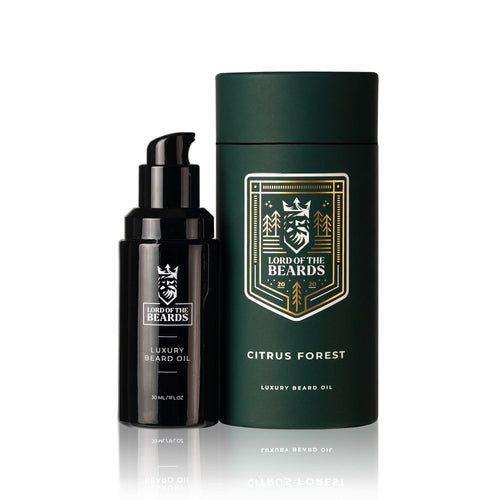
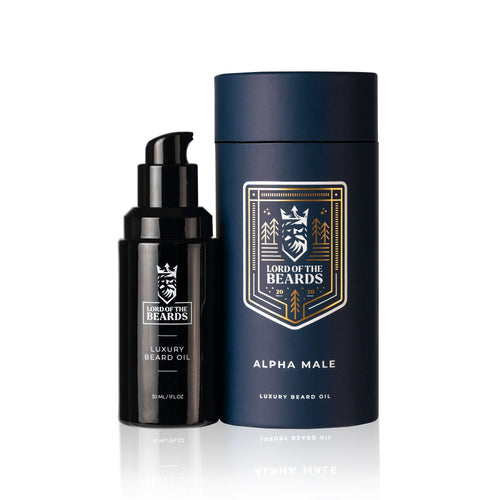
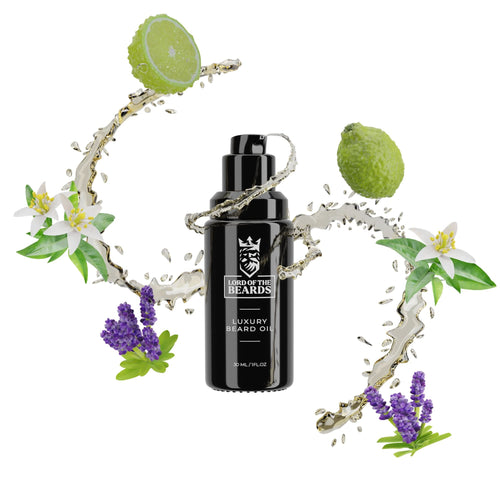
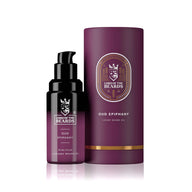
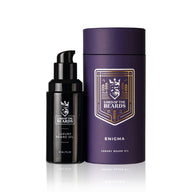
Another common error is ignoring fragrance strength when choosing products. If your beard oil is designed to give a richer, longer-lasting scent profile, it should not be applied like a basic, barely-there oil. A few drops can be enough to condition the beard and leave a more elevated scent trail. That is especially true when using premium blends like those from Lord of the Beards, where the experience is meant to feel polished, not overpowering.
The routine that usually works
If you want a beard that feels smooth but never slick, keep it simple. Cleanse with beard shampoo a few times a week. Rinse with lukewarm water on the other days. Towel dry until just slightly damp. Apply a modest amount of beard oil into the skin and through the beard. Brush it through. Add balm only if you genuinely need hold.
Then leave it alone.
Constant touching is one of the easiest ways to make a beard greasy. Your hands carry oil, sweat and whatever else your day has collected. A beard should be styled with purpose in the morning, then worn with confidence.
The best beards do not look overworked. They look controlled, healthy and intentional. That is the goal. If your beard feels soft, sits properly and carries a clean, confident scent without shine taking over, you have found the sweet spot. Greasiness is not a sign that beard care does not work. It is usually a sign that your routine needs more precision, not more product.
Give it a week of consistency before judging the result. Your beard will tell you quickly when it has had enough, and even faster when you finally get it right.