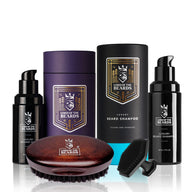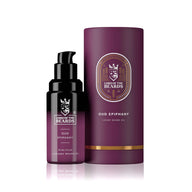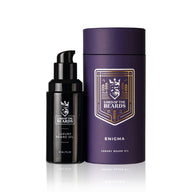

Indulge in Luxury
Thick beards look powerful when they are under control. When they are not, they can turn wiry, uneven and stubborn fast. Finding the best beard brush for thick beards is less about buying the most expensive tool on the shelf and more about choosing the one that can actually get through serious density without scratching your face or flattening your style.
A proper beard brush does more than tidy the surface. It trains growth, distributes oil, lifts trapped flakes and helps your beard sit with purpose instead of puffing out in every direction. If your beard is full, coarse or prone to bulk at the sides, the wrong brush will waste your time. The right one becomes part of your daily edge.
What makes the best beard brush for thick beards?
Thick beards need firmness. Soft bristles might feel pleasant for two seconds, but they usually skim over the top layer and leave the deeper growth untouched. A brush for a dense beard has to reach in, move product through the body of the beard and shape the hair without pulling like a cheap comb.
That usually means medium to firm natural bristles or a well-made mixed bristle design. Boar bristles are the classic choice for a reason. They have enough grip to catch coarse beard hair, enough structure to spread beard oil or balm, and enough discipline to help train the beard over time. If your beard is especially thick around the chin and jaw, a firmer brush will generally perform better than a softer one.
Brush shape matters too. A compact oval or military-style brush often gives better control than a large paddle. With a thick beard, precision matters. You want to work the cheeks, sideburns and underside properly, not just swipe the front and hope for the best.
Why thick beards need a brush, not just a comb
A comb has its place. It is useful for detangling after a shower, separating longer growth and shaping before trimming. But if you rely on a comb alone, you are missing one of the best tools for daily beard control.
A brush grips where a comb glides. That grip is what helps carry beard oil from the surface down through the fuller parts of the beard. It also exfoliates the skin underneath, which matters if your beard is dense enough to trap dry skin, product build-up and sweat. Thick beards often look dry not because they lack oil, but because the product never gets evenly distributed.
For shorter thick beards, a brush is often better than a comb full stop. For longer ones, the strongest routine is usually comb first if needed, then brush to shape and finish.
Bristle types and what they actually feel like
If you are choosing between brush materials, this is where quality shows itself.
Boar bristles
For most men with dense growth, boar bristle is the safest bet. It has the right balance of firmness and flexibility, which means it can move through a thick beard without feeling like a rake. It also helps distribute natural oils and beard oil well, giving the beard a healthier sheen instead of a greasy top layer.
The trade-off is that very firm boar bristles can feel intense on sensitive skin, especially if you brush too aggressively. If your beard is thick but your skin gets irritated easily, aim for medium firmness rather than the stiffest option available.
Synthetic bristles
Synthetic brushes can be easier to clean and sometimes cost less, but many of them lack the texture needed to really work through a heavy beard. Some premium synthetics perform well, though they often feel smoother and less effective at moving oil through coarse hair. If your beard is thick and curly, synthetic bristles can struggle.
Mixed bristles
A mixed brush combines natural and synthetic fibres for a middle ground. This can work well if your beard is thick but not especially coarse, or if you want a brush that shapes without feeling too harsh. Still, if your beard is properly dense and unruly, pure boar often wins on performance.
How to spot a bad brush quickly
A beard brush can look sharp online and still perform like a prop. Thick beards expose bad design fast.
If the bristles are too widely spaced, they will not grab enough hair to shape it. If they are too soft, they will only polish the outer layer. If the handle feels flimsy or awkward, daily grooming becomes a chore rather than a ritual. You also want even bristle cut and solid construction. Loose shedding after a few uses is not premium grooming. It is poor quality in a nicer box.
Another red flag is a brush that feels oversized for beard work. Bigger is not better here. A thick beard needs control at the cheek line, under the jaw and around the moustache area. A smaller, denser brush usually gives a cleaner result.
The best beard brush for thick beards depends on beard length
This is where some men buy the wrong tool. Thickness is one factor. Length changes the game.
Short to medium thick beards
If your beard is packed in but not yet long, go for a firm, dense boar bristle brush. You need something that reaches the skin and trains the beard as it grows. At this stage, brushing helps stop the beard from expanding sideways and looking bulky too early.
Longer thick beards
If you have more length, you still want firm bristles, but not so stiff that they snag through the ends. A medium-firm brush with good density usually gives the best finish. Longer thick beards benefit from a brush that can smooth the outer shape after detangling, especially if you use beard balm to hold the line.
Thick and curly beards
Curly beards need extra care. A very hard brush can create frizz if used dry and rough. In that case, apply beard oil first, use a comb to separate any knots, then brush with measured pressure. The goal is control, not aggression.
How to use a beard brush properly
A quality brush is only half the move. Technique matters.
Start after you have applied beard oil, ideally when the beard is clean and fully dry or only slightly damp. If the beard is soaking wet, the hair is more vulnerable and you are more likely to cause breakage. Warm a few drops of oil in your palms, work it through properly, then brush from the cheeks downward and from the underside outwards to shape the beard into place.
Use short, controlled strokes. Thick beards respond better to consistency than force. If you drag hard through resistance, you will pull hair and irritate the skin. For denser sections around the chin, brush in layers rather than trying to blast through all of it at once.
Done right, brushing should leave the beard looking fuller but cleaner, softer but sharper. It should not leave your face burning.
Pairing your brush with the right products
A thick beard almost always performs better when the brush is working with beard oil or balm, not against bare dry hair. Oil keeps the beard conditioned and helps the bristles move product through the body of the beard. Balm adds more shape, which is useful if your beard grows wide or loses form by midday.
This is where premium grooming separates itself from basic maintenance. The best routine does not just make your beard manageable. It makes it feel refined, smell exceptional and carry presence. A well-brushed beard with the right scent profile has the same effect as a good fragrance and a tailored jacket. It changes how you show up.
Lord of the Beards leans into that idea for good reason. Grooming is not just about fixing rough edges. It is about creating a signature.
So what should you actually buy?
If you want the best beard brush for thick beards, look for a compact brush with dense boar bristles, solid build quality and enough firmness to work below the surface of the beard. Skip novelty shapes, overly soft bristles and cheap finishes that shed after a week. If your beard is thick and sensitive, choose medium-firm. If it is thick, coarse and hard to control, go firmer.
Do not overthink the tool and ignore the routine. Even the best brush underperforms if your beard is dry, overloaded with product or brushed too aggressively. The best results come from a brush that suits your beard’s density, a grooming rhythm you can stick to and products that leave the beard soft, conditioned and properly styled.
A thick beard should look intentional. Choose a brush that gives it structure, use it with confidence, and your beard stops being something you manage and starts being part of how you make an impression.