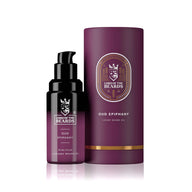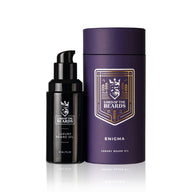

Indulge in Luxury
A beard can look full, shaped and properly styled yet still feel rough at the roots. That is where most grooming routines fall short. To moisturise beard skin properly, you need to treat the skin beneath the beard as seriously as the beard you see in the mirror. Get that right and the payoff is immediate: less itch, fewer flakes, a softer beard and a cleaner, more confident finish.
The aim is not to leave your face shiny or heavy with product. It is to give the skin enough moisture and nourishment to stay comfortable, while allowing your beard to carry its shape and its signature scent with authority.
Why Beard Skin Gets Dry in the First Place
Beard hair pulls moisture away from the skin and makes it harder for your natural skin oils to travel along every strand. As a beard grows thicker, the skin underneath can become dry, tight and irritated, particularly around the jawline, chin and moustache area.
Hot showers, harsh face washes and frequent shampooing can make the problem worse. So can cold weather, central heating and the temptation to scratch when your beard starts to itch. Scratching may offer a moment of relief, but it can irritate the skin further and leave the beard looking untidy.
Flaking is often mistaken for poor hygiene. Usually, it is the opposite problem: skin that has been stripped too aggressively and is asking for moisture. The answer is not more washing. It is a smarter routine.
How to Moisturise Beard Skin Properly
The best time to apply beard oil is after a shower, when your face is clean and the beard is still slightly damp. Not dripping wet. Pat it with a towel first, leaving just enough moisture for the oil to help seal in.
Start with a small amount. For short beards, two to three drops are often enough. A medium beard may need four to six, while a longer or particularly dense beard can take a little more. Your beard should feel conditioned, not coated. If your hands are sliding across your face hours later, you have used too much.
Warm the oil between your palms, then work it into the skin before smoothing the rest through the lengths. This order matters. Rubbing product only over the outside of the beard may make it look glossy, but it does little for the dry skin causing itch and flakes underneath.
Use your fingertips to reach the skin with small, controlled movements, working from the cheeks down through the jaw and into the chin. Give extra attention to the areas that feel tight or become flaky. Once the oil is distributed, use a beard brush or comb to pull it evenly through the beard and bring the hairs into line.
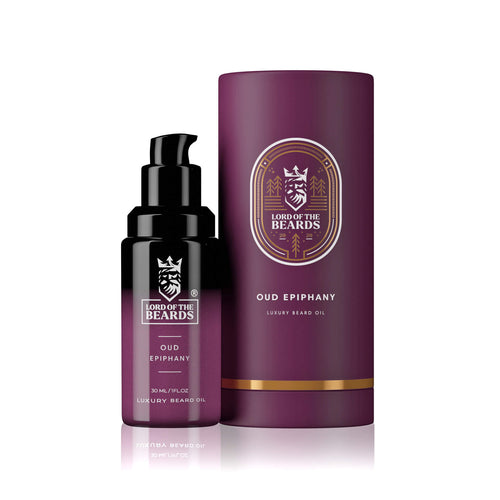
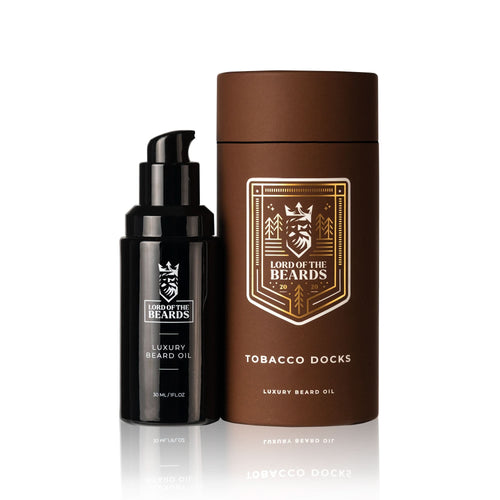
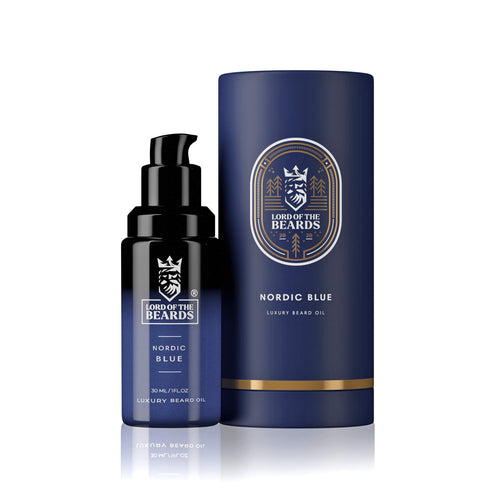
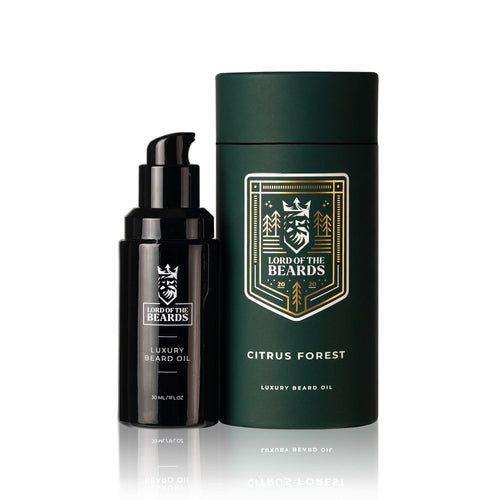
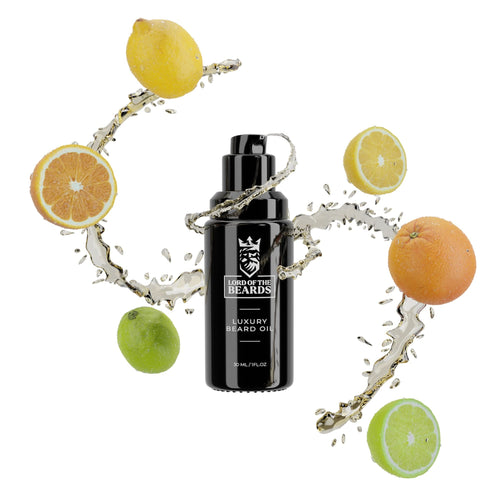
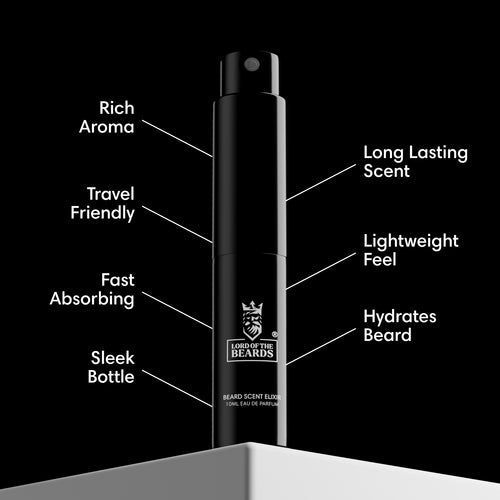
A quality beard oil should absorb quickly and leave the beard touchably soft, not greasy. It should also earn its place in your routine with a scent that feels intentional. A refined oud, fresh citrus or deeper tobacco-inspired profile can sit close to the skin like a personal finishing touch, rather than competing with everything else you wear.
Morning, Evening or Both?
For most men, once a day is enough. Apply in the morning after washing so your beard stays comfortable and controlled through work, training, travel and whatever the evening brings.
If your skin is very dry, your beard is long, or the weather has turned cold and unforgiving, a second light application at night can help. Keep it minimal. Night-time is about comfort and recovery, not loading up your beard with product.
It depends on your skin type, too. Men with naturally oily skin may prefer a smaller morning dose, while those prone to dryness can use a little more consistently. The right amount is the amount your skin absorbs without leaving a slick finish.
Cleanse Without Stripping Your Beard
Moisture starts with how you wash. Standard body wash and many ordinary shampoos are designed to cut through oil. That sounds useful until they strip both beard hair and facial skin, leaving them dry and prone to irritation.
Use a beard shampoo or gentle cleanser when your beard needs it, especially after a sweaty session, a long day in the city or heavy styling product. But do not overdo it. Washing every day with a strong cleanser can create the very dryness you are trying to fix.
For many beards, two or three proper washes a week is a good rhythm. Rinse with lukewarm water on other days if needed. Scalding hot water feels satisfying in the shower but can leave skin feeling parched afterwards, so turn the temperature down a notch.
After cleansing, do not rub your beard aggressively with a towel. Press and pat instead. Rough drying can create frizz, snag hairs and aggravate already sensitive skin.
Beard Oil, Balm and Moisturiser: Know the Difference
Beard oil is usually the strongest everyday choice when your priority is to moisturise beard skin. Its lighter texture can reach the roots of the beard and condition the skin without making the beard feel stiff. It is the foundation of a comfortable, well-kept beard.
Beard balm brings more hold. It can still provide conditioning benefits, but its waxier texture makes it better suited to shaping, taming flyaways and giving a fuller beard some structure. Use it after oil when you want a more sculpted finish, or choose it alone if your skin is already comfortable and you mainly need control.
A facial moisturiser can be useful on exposed areas of the face, particularly the cheeks, neck and forehead. If you use one beneath a beard, choose a lightweight formula and apply sparingly. A heavy cream can sit in dense facial hair, feel congested and leave residue on the surface rather than reaching the skin.
There is no prize for using every product at once. A short beard with dry skin may need only beard oil. A longer beard heading into a formal day may benefit from oil followed by balm. Build your routine around what your beard is telling you.
Common Mistakes That Keep the Itch Coming Back
The first mistake is applying product only to the beard hair. If the skin underneath is dry, the problem remains hidden until the itching starts again. Make skin contact part of every application.
The second is using too much oil. More is not more effective. Over-application can make a beard look limp, attract dirt and leave a scent profile feeling louder than intended. Begin small and add one drop only if your beard genuinely needs it.
The third is ignoring build-up. Oil should nourish, but old product mixed with sweat and urban grime can sit at the roots. Cleanse regularly with a beard-specific wash, then replenish moisture afterwards.
Finally, do not treat persistent redness, soreness or heavy flaking as a grooming challenge alone. If symptoms continue despite a gentle routine, speak to a pharmacist or GP. Conditions such as eczema, contact irritation or seborrhoeic dermatitis need the right advice, not a drawer full of random products.
Make It a Ritual, Not a Rescue Job
The strongest beard routines are consistent, not complicated. Cleanse without stripping. Apply a small amount of oil to damp beard skin. Brush it through. Add balm only when shape demands it. That is enough to turn a rough, distracted beard into one that feels composed from the first meeting to the last round.
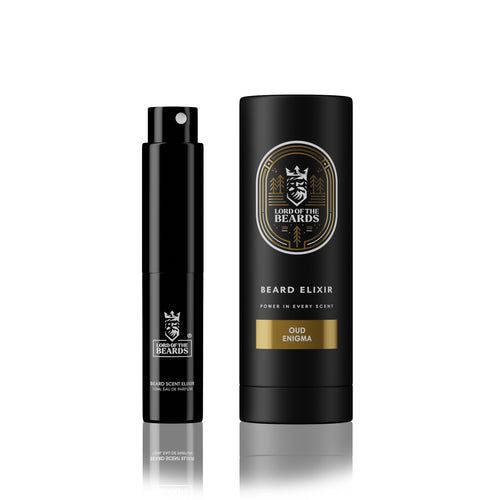
Lord of the Beards approaches beard oil as more than a fix for dry skin: it is the moment your grooming routine takes on a scent, a standard and a little more presence. Choose a fragrance that suits the way you want to arrive, whether that means clean and fresh, dark and refined, or unmistakably bold.
Your beard should not demand attention because it is itchy, flaky or out of control. Give the skin beneath it a few deliberate minutes each day, and let the beard do what it is meant to do: frame your face, carry your scent and look like it belongs to a man who has his standards sorted.