
Indulge in Luxury
A beard can make your jaw look stronger, your features more balanced and your whole look more deliberate. Get the length wrong, however, and even great growth can look untidy, patchy or as though you have simply stopped shaving. This guide to choosing beard length cuts through the guesswork, so your beard earns its place in your routine and carries the confidence you want it to.
The right answer is rarely the longest beard you can grow. It is the length that works with your face, your density, your lifestyle and the amount of time you will genuinely spend keeping it sharp. A well-shaped short beard with a signature scent has more presence than a neglected mane ever will.
Start With Your Face Shape, Not the Trend
A beard changes the apparent proportions of your face. That is its real power. Before selecting a guard length, look at your face straight on and decide what you want to balance: width, length, a softer jaw or a narrow chin.
If your face is round, keep the sides tighter and allow slightly more length through the chin. This creates vertical definition without adding more width around the cheeks. You do not need a dramatic pointed beard - even a controlled extra few millimetres beneath the chin can make a visible difference.
For an oval face, you have the broadest choice. A short boxed beard, medium full beard or close stubble can all work, provided the cheek and neckline are clean. Avoid adding excessive length at the chin if your face already appears long. Balance is more commanding than chasing size.
Square faces suit a beard that softens rather than exaggerates the angles. Keep the corners around the jaw subtly rounded and do not let the sides become too blocky. A short-to-medium length with a little fullness at the chin looks polished without turning your face into a hard-edged box.
If your face is oblong or rectangular, aim for controlled length underneath and a touch more width at the sides. A very long beard will pull the eye downwards and make the face appear longer. Build outward, not downward. Men with triangular or heart-shaped faces often benefit from more density at the jaw and chin, while keeping the cheek area neat rather than overgrown.
Face shape is useful guidance, not a rulebook. Your natural growth pattern, moustache strength and personal style all matter. The mirror decides more than any chart.
Your Guide to Choosing Beard Length by Growth Stage
The best beard length is often the one your growth can support consistently. Sparse areas become more obvious when hair gets long, while very dense beards can look heavy quickly at lengths that appear modest on someone else. Work with what grows well, then shape it with intent.
Designer stubble: 1-3 mm
This is the low-maintenance option with high impact. It suits men who want a sharper jawline without committing to a full beard, and it is particularly effective when growth is even but not especially dense. Keep the neckline defined and trim every few days to prevent the look slipping from deliberate to tired.
Stubble still benefits from care. A small amount of lightweight beard oil can soften the bristle, calm dry skin and leave a refined scent close to the skin. Think of it as the grooming equivalent of a well-fitted black shirt: simple, clean and always in command.
Short beard: 4-10 mm
For many men, this is the sweet spot. It gives enough coverage to change the structure of the face while staying easy to maintain for work, weekends and everything in between. A short beard can disguise minor unevenness, but it will not hide poor lines or neglected skin.
Use your trimmer guard as a starting point, then adjust by one or two millimetres where needed. You may want the chin fractionally longer than the sides, especially if you are creating a more defined profile. Comb the beard down before trimming so you see its true shape rather than cutting hairs that are sitting up.
Medium beard: 10-25 mm
A medium beard is where grooming becomes visible craft. It has weight, movement and enough length to carry a distinctive shape, but it needs regular attention. This is a strong choice for dense growth and for men who want their beard to be part of their personal style rather than an afterthought.
At this length, beard oil is less optional. The skin beneath needs moisture, and the hair needs slip so it looks intentional rather than wiry. Follow with balm when you need gentle hold, particularly along the jaw, sideburns and moustache. The result should feel soft, smell exceptional and stay in place without looking lacquered.
Long beard: 25 mm and beyond
A long beard makes a statement, but it asks more in return. Growth must be reasonably full, and your routine needs to include washing, conditioning with oil, brushing and periodic shaping. The longer it becomes, the more every uneven section and split end shows.
Longer does not automatically mean fuller. A beard that expands too broadly at the sides can hide your jaw and dominate your face. Keep the outline considered, remove damaged ends, and choose a silhouette that has purpose. A little taper from the cheeks towards the chin often looks stronger than letting every section grow at the same rate.
Match the Length to Your Real Life
Be honest about the time you have. If you only want to trim once a week, a short beard may give you the best return for the effort. If you enjoy the ritual of brushing, shaping and selecting a scent each morning, a medium or long beard gives you more room to make the routine your own.
Your workplace matters too, though a professional beard does not have to be tiny. Most offices respond well to clarity: a defined neckline, tidy moustache, controlled cheek line and a beard that looks clean at close range. For client meetings, dinners and formal events, a conditioned beard with a sophisticated fragrance feels considered in the same way as polished shoes or a good watch.
Consider your climate and training routine. Longer beards hold warmth and can feel heavier during summer or after the gym. Shorter lengths are easier to wash and dry quickly. On the other hand, a fuller beard can protect the skin from cold weather and look excellent under a structured coat. The trade-off is care, not status.
Set the Lines Before You Judge the Length
Many men blame the length when the real issue is the outline. A strong neckline can make a five-millimetre beard look premium; a low, undefined neckline can make a fifteen-millimetre beard look careless.
As a practical guide, place two fingers above your Adam's apple and create a gentle curve from that point towards the back of each jaw. Do not carve a harsh straight line across the neck. Keep your natural cheek line if it grows cleanly. If it is patchy or rises too high, tidy only the obvious stray hairs rather than cutting deep into the beard and making it look unnatural.
The moustache deserves equal attention. Trim it just clear of the top lip unless you are deliberately growing it longer, and make sure it connects naturally with the beard. A well-kept moustache gives the entire shape more authority.
Let Your Beard Products Do Their Job
Length changes what your beard needs. Stubble and short beards mainly need skin comfort and softness. Medium and long beards need hydration through the hair, control at the surface and regular brushing to direct the growth.
After washing, apply beard oil to slightly damp skin and work it through the beard with your fingertips. Start beneath the hair, then smooth what remains over the surface. This prevents the common mistake of coating the beard while leaving the skin dry and irritated.
For longer styles, use a brush to distribute oil and train the hairs into the shape you want. Add a small amount of balm when flyaways need control. Keep the finish natural. Your beard should look touchable, never greasy.
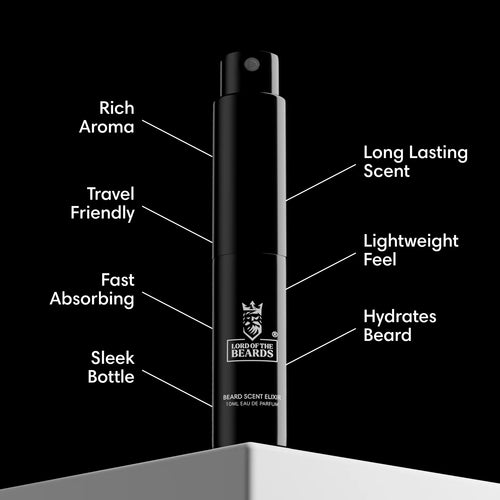
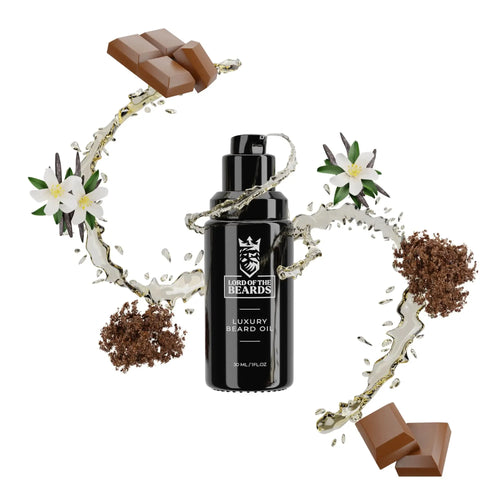
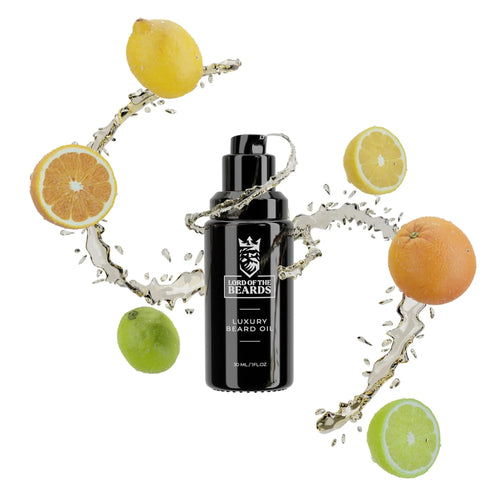
Scent is part of the decision as well. A close beard lets a fragrance sit subtly, almost like a private detail. A fuller beard carries more of the scent through the day, giving woody, citrus or oud-led notes a richer presence. Choose something that fits the impression you want to leave: crisp and energised, dark and sophisticated, or warm and unmistakably confident.
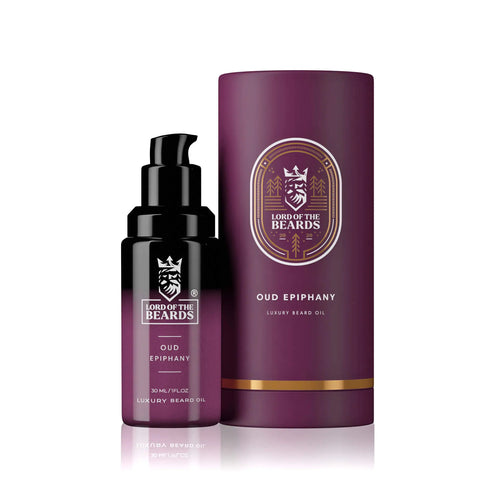
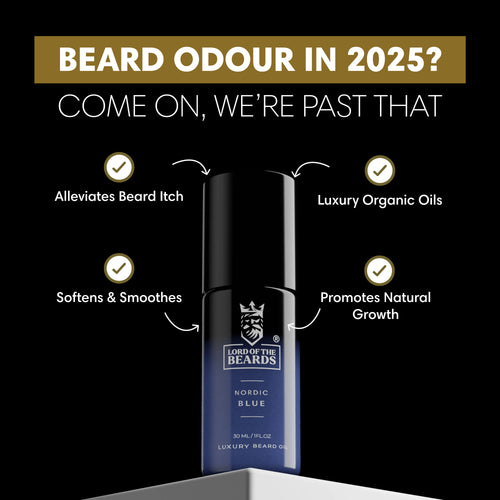
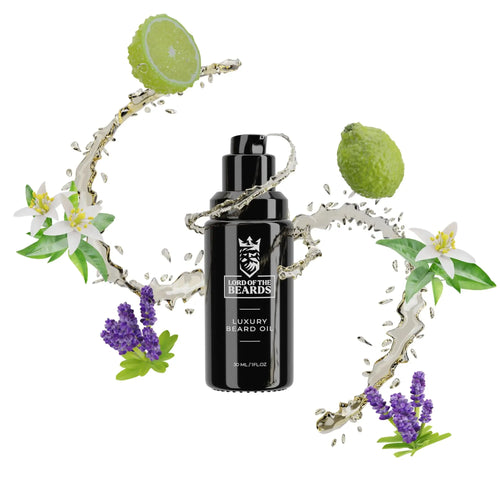
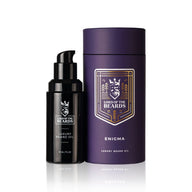
Lord of the Beards is built around that final detail: beard care that conditions the hair while giving your routine the character of a proper fragrance ritual.
Give It Two Weeks Before Making a Big Change
Do not judge a new length the morning after a trim. Beard hair settles as natural oils return, and a shape that looks slightly sharp on day one often looks exactly right after several days. Take a quick photo from the front and side, then compare it a week later in the same light. You will see balance more clearly than you can in a rushed bathroom mirror.
If a length feels wrong, change one variable at a time. Shorten the sides before taking centimetres off the chin. Clean the neckline before deciding the beard is too heavy. Give your growth and your face time to show you what works.
The beard worth keeping is not the one that follows somebody else's template. It is the one that makes you stand taller when you catch your reflection, feels comfortable from morning to night, and leaves a signature impression long after you have left the room.