
Indulge in Luxury
A beard should frame your face, not leave it feeling greasy, congested or covered in surprise spots. So, does beard oil clog pores? Not automatically. A well-chosen beard oil, used in the right amount, is unlikely to clog pores for most men. The trouble usually starts when heavy formulas, too much product, poor cleansing or already acne-prone skin enter the picture.
Beard oil is meant for more than making facial hair smell exceptional. It softens coarse strands, reduces the dry, tight feeling beneath the beard and gives your grooming routine a more polished finish. But your skin is still skin. If it is prone to breakouts, it deserves a little strategy alongside the signature scent.
Does beard oil clog pores or cause spots?
Pores become congested when excess oil, dead skin cells and debris build up inside them. Beard oil can contribute to that build-up if the formula is very rich, if you apply more than your skin can handle, or if it sits on skin that has not been properly cleansed. That is different from saying all beard oil causes acne.
Many beard oils use lightweight plant oils that condition both hair and skin. For plenty of bearded men, these oils can actually improve the look and comfort of dry, flaky skin. A dry beard area can make you scratch, over-wash and irritate the skin barrier, all of which can make spots look worse.
The answer depends on your skin type, your routine and the formula in your hands. If your beard looks sharp but the skin underneath feels slick by lunchtime, develops little bumps or breaks out around the jawline, the product or application method may need adjusting.
Not every bump is a clogged pore
It is easy to blame beard oil for every spot, but beard-area bumps have several possible causes. Ingrown hairs can appear after shaving or edging. Sweat and friction from a helmet, scarf or face covering may trigger irritation. A dirty beard brush, pillowcase or phone screen can also transfer oil and bacteria to the area.
Some men experience folliculitis, where hair follicles become inflamed and form tender, pimple-like bumps. Others react to a fragrance ingredient or essential oil with redness, itching or a rash. Neither reaction is quite the same as a clogged pore, and piling on more or less oil will not necessarily solve it.
If breakouts are painful, persistent or spreading, speak to a pharmacist, GP or dermatologist. A premium routine should make you feel more confident, not leave you guessing at a skin issue for months.
Why beard oil can feel too heavy
The most common problem is not beard oil itself. It is over-application. A short beard often needs only two to three drops, while a fuller beard may need four to six. Very long or dense facial hair may take more, but the goal is conditioned hair and comfortable skin, not a wet-looking finish that shines like grease.
Oil should be spread across your palms first, then worked through the beard and down towards the skin. Dropping a full pipette straight onto one area can overload the jaw and chin, where clogged pores are already common. Give the oil a minute to absorb before deciding whether you need another drop.
Formula texture matters too. Richer oils can be brilliant for a wiry, thirsty beard in cold weather, especially when central heating has dried out your skin. They may be less suitable for an oily T-zone, humid weather or skin that breaks out easily. There is no prize for using the most product. The right amount is the amount that leaves your beard touchably soft and your skin comfortable.
Choosing beard oil for acne-prone skin
If you are prone to congestion, look for a beard oil that is lightweight and designed to absorb cleanly rather than sit heavily on the surface. Ingredient lists matter, but so does how your own skin responds over several weeks.
Certain richer oils are more likely to feel too occlusive for some people, while oils such as jojoba, grapeseed and squalane are often favoured for their lighter feel. That said, ingredient rankings cannot predict every face. So-called comedogenic ratings are based on limited testing and do not account for the concentration of an ingredient, the rest of the formula or your individual skin.
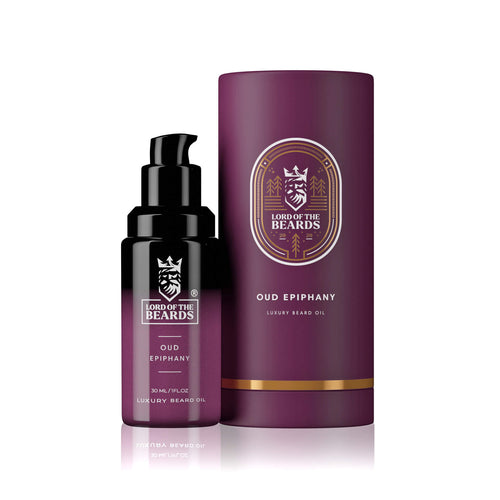
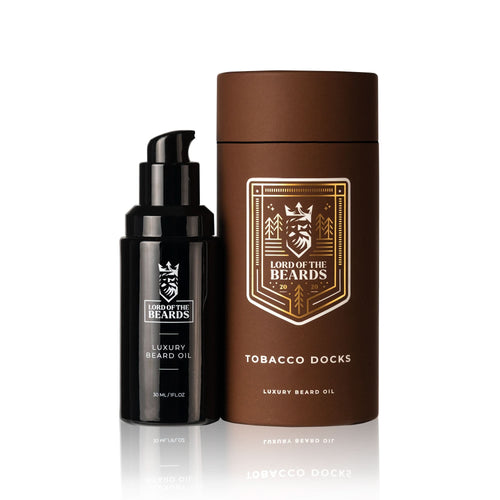
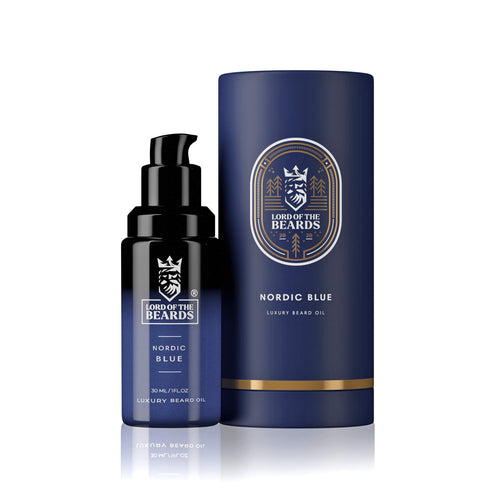
Fragrance deserves the same sensible approach. A distinctive oud, tobacco, citrus or blue-fresh profile can make beard oil feel like part of your personal presence rather than another bathroom chore. Yet sensitive skin can react to fragrance components, even when the oil itself is not clogging pores. If you notice burning, itching, red patches or flaking after using a scented product, stop using it and allow the skin to settle. Patch testing a small area first is a smart move when your skin has a history of reacting.
How to apply beard oil without overloading your skin
A clean face makes all the difference. Apply beard oil after washing, ideally when the beard is towel-damp rather than dripping wet. Warm water and a gentle cleanser help remove sweat, styling residue and the day’s grime without stripping the skin completely.
Start with less than you think you need. Rub the drops between your hands, massage them through the beard and use your fingertips to reach the skin beneath. Then comb or brush through the lengths to distribute the remaining oil evenly. This gives the beard a controlled, groomed shape rather than leaving concentrated patches around the chin.
For most men, once a day is enough. If your beard is very dry, a smaller second application can work, but assess how your skin feels first. Adding more oil because the fragrance has faded is not the answer. Beard oil conditions the beard; it is not meant to be applied like aftershave throughout the day.
Keep the tools and skin underneath clean
A luxury beard routine still needs the unglamorous basics. Clean your beard regularly, especially after training, commuting, cooking or a long day in the city. Use a beard shampoo or gentle cleanser often enough to prevent build-up, but do not scrub aggressively every day until your face feels squeaky. Over-cleansing can leave skin irritated and encourage it to produce more oil.
Wash your beard brush and comb regularly, change pillowcases often and avoid picking at bumps beneath the beard. If you use beard balm, wax or styling products, cleanse thoroughly at the end of the day. Layer upon layer of product is more likely to cause trouble than a few drops of a fast-absorbing beard oil.
When to change your routine
Give a new beard oil around two to four weeks of consistent use before making a judgement, unless you have an immediate irritation or severe breakout. Introduce one new product at a time. If you start a new oil, balm, cleanser and shaving routine in the same week, you will have no clear idea what your skin likes or dislikes.
If congestion starts, scale back first. Use fewer drops, apply once daily and make sure you are cleansing the skin beneath the beard properly. If the issue continues, pause the oil and switch to a lighter, simpler formula once your skin has calmed. Men with active acne may also benefit from keeping heavier styling products away from the jawline and using a treatment recommended by a skincare professional.
Your beard oil should leave behind softness, control and a scent that earns a second look, not a heavy film. Treat it as a precise finishing move: clean skin, a few drops, properly worked through. That is how a beard carries its fragrance and confidence all day without asking your pores to carry the weight too.