
Indulge in Luxury
Frizz is what makes a beard look like it has lost the plot by 10am. You shape it, brush it, step out looking sharp, then a few hours later it is puffing out at the sides, catching the light in all the wrong places, and feeling rough to the touch. So, can beard oil reduce frizz? Yes - in most cases, it can make a real difference, especially if your beard is dry, coarse, or prone to looking unruly after washing.
That said, beard oil is not magic. If your beard is damaged, over-washed, badly trimmed, or naturally wiry, oil helps a lot but it will not turn a wild beard into a polished one on its own. The real win comes from understanding what causes frizz in the first place and where beard oil fits into a stronger grooming routine.
Why beard frizz happens in the first place
A frizzy beard usually comes down to one thing - dryness. When the hair shaft lacks moisture and lubrication, it lifts, bends, and catches against neighbouring hairs instead of sitting smoothly. The result is that fuzzy halo effect every bearded man knows too well.
Beard hair is naturally coarser than the hair on your head, and it grows in different directions across the face. Add cold weather, central heating, frequent washing, hard water, or a beard shampoo that strips too much natural oil, and the texture gets rough fast. Longer beards often show the issue more clearly because the hair has had more time to dry out and split.
There is also the skin underneath to consider. If the skin is dry, irritated, or flaky, your beard rarely looks its best. Healthy-looking facial hair starts at the base, not just on the surface.
Can beard oil reduce frizz or just hide it?
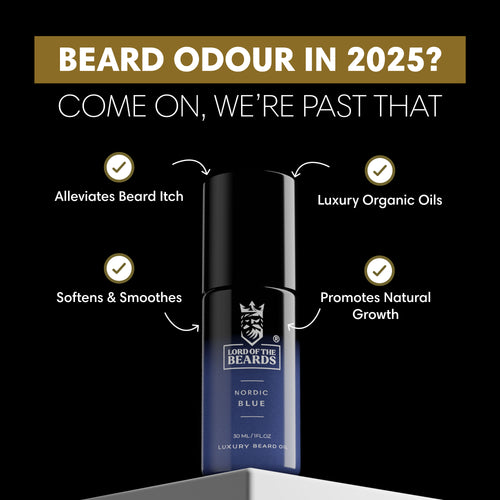
Beard oil reduces frizz by coating the hair lightly, softening the texture, and helping individual hairs lie flatter. It also conditions the beard and the skin underneath, which improves how the beard behaves over time rather than only masking the problem for an hour.
Think of it as control, not stiffness. A good beard oil does not set the beard in place like a styling product. Instead, it gives the hair more slip, more softness, and a better finish, so the beard looks intentional rather than untamed.
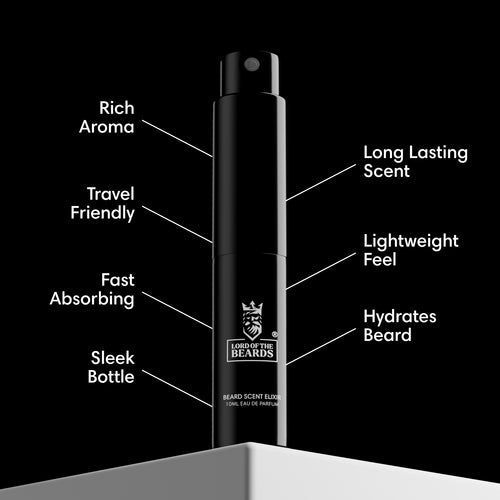
This is why quality matters. A lightweight, fast-absorbing oil should take the edge off rough texture without leaving a greasy film. The beard feels touchable, looks cleaner, and carries itself with more presence. That matters if your beard is part of your personal brand rather than an afterthought.
How beard oil works on frizz
Frizz tends to show up when the outer layer of the hair is raised and uneven. Beard oil helps smooth that layer, which cuts down on flyaways and gives the beard a more uniform shape. Once the hair is softer, it is easier to brush, easier to direct, and less likely to spring out in random directions.
It also replaces some of the oils that your skin cannot always deliver evenly through a dense beard. On shorter beards, natural oils may still travel reasonably well. On medium and longer beards, not so much. The ends dry out first, and that is where frizz often starts.
Used daily, beard oil can improve the look and feel of the beard in three ways. First, it softens coarse hairs. Second, it adds a controlled sheen rather than a dull, dusty finish. Third, it makes grooming easier, which means less tugging, less breakage, and fewer stray ends sticking out.
When beard oil helps most
If your beard goes fluffy after a shower, feels brittle by the afternoon, or looks bigger rather than better as it grows, beard oil is usually worth introducing or using more consistently. It is particularly effective for medium-length to longer beards, curly or wavy textures, and beards exposed to wind, cold air, or indoor heating.
It also helps if your beard looks decent at first but loses shape as the day goes on. A beard that stays hydrated generally keeps its form better. The finish is smoother, the profile cleaner, and the whole look more refined.
Where men sometimes get disappointed is expecting oil to fix structural problems. If your beard has split ends, uneven density, or hairs sticking out because the shape is poor, you may need a trim, a balm, or better brushing habits as well. Oil is a foundation move, not the entire strategy.
How to use beard oil for the best anti-frizz result
Application is where a lot of men go wrong. Too little and nothing changes. Too much and the beard looks slick instead of sharp. The sweet spot depends on beard length, thickness, and how dry the hair feels.
Start with a few drops on a slightly damp beard, not a soaking wet one. Warm the oil between your palms, work it through from the skin outward, then distribute it into the lengths and ends. Finish by combing or brushing it through so the product reaches the whole beard rather than sitting on the surface.
Slightly damp hair matters because it helps trap moisture in the beard. Oil on bone-dry hair can still help, but oil after washing tends to perform better for frizz control. It seals in softness rather than trying to rescue a beard that is already parched.
Morning is the obvious time to apply it, but some men with very dry beards benefit from a second light application later in the day. Not a full reset - just enough to restore control if the beard starts expanding.
Beard oil vs beard balm for frizz
If your main concern is softness and day-to-day flyaways, beard oil is usually the first choice. It absorbs quickly, conditions the beard, and keeps the finish light. If your beard is thick, long, or especially stubborn, balm may give you more visible control because it adds hold as well as nourishment.
The difference is simple. Oil treats and softens. Balm treats, softens, and shapes. Many men get the best result by using oil first and a small amount of balm after, especially in cold months or when growing out awkward lengths.
If your beard frizz is mild, oil may be all you need. If it is full-volume chaos by lunchtime, you may want both.
Signs your current oil is not doing enough
Not all beard oils perform the same way. If your beard still feels rough 20 minutes after application, looks greasy on top but dry underneath, or loses all softness by midday, the formula may be too thin, too heavy, or simply not suited to your beard.
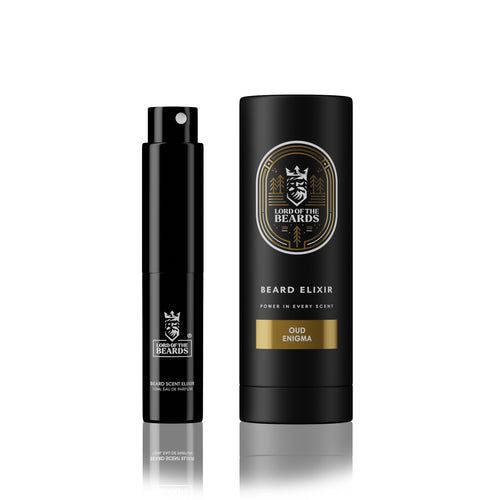
The finish should feel clean, not sticky. The beard should feel softer, not coated. And because fragrance matters just as much as performance for many men, the scent should wear like part of your identity, not like an afterthought from the bathroom cabinet.
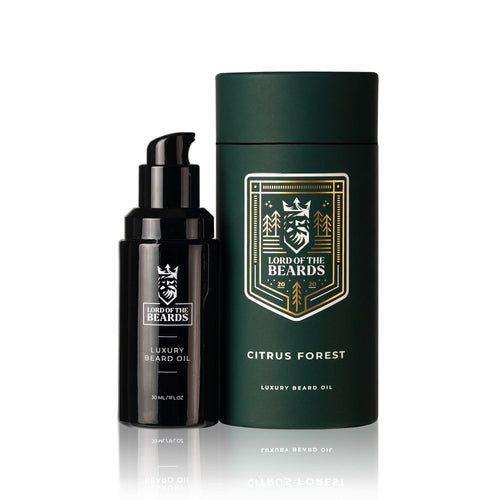
A premium beard oil earns its place twice - once through grooming results and once through presence. It should help your beard look sharper while leaving behind a scent that feels deliberate, confident, and memorable. That is where a fragrance-led oil stands apart from the generic stuff.
Other habits that make frizz worse
Even the best beard oil has limits if the rest of your routine is working against it. Over-washing is one of the biggest mistakes. If you strip the beard every day with harsh cleansers, you are constantly resetting it to dry and unruly. Heat is another issue. Aggressive blow-drying can make the beard puff out if you are not careful.
Brushing badly can also create frizz rather than solve it. If you rake through a dry beard too hard, you rough up the hairs and encourage breakage. Use a proper beard brush or comb with intention, not force.
Then there is trimming. Frizz can be exaggerated by uneven ends and bulk in the wrong places. Sometimes what looks like dryness is partly a shape problem. A tidy line and cleaner silhouette can instantly make the beard look less chaotic.
So, can beard oil reduce frizz long term?
Yes - if the frizz is driven by dryness, rough texture, and poor manageability, beard oil can absolutely reduce it long term. The key is consistency. One application before a night out will help, but daily use is what changes the beard’s baseline. Softer hair behaves better. Better-behaved hair looks more polished.
For men who want their beard to feel like an extension of their style, not a compromise, this matters. A beard should project confidence, not look like it is fighting against you. The right oil gives you control without killing character, softness without heaviness, and a finish that looks considered from the first meeting to the last drink.
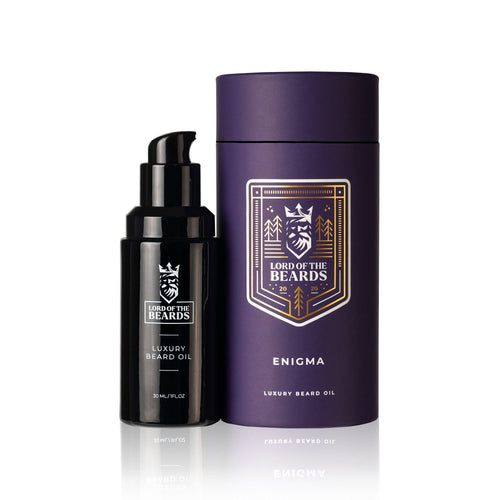
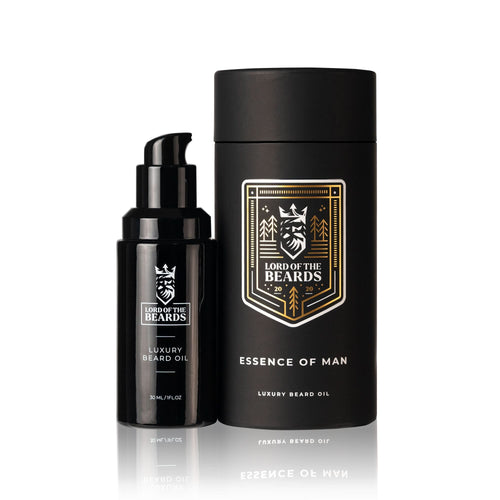
At Lord of the Beards, that balance is the standard. A beard oil should do more than tame flyaways. It should sharpen your routine, elevate your presence, and leave a scent that feels like your signature.
If your beard is frizzy now, start simple. Use oil properly, use it consistently, and pay attention to how your beard responds. Most of the time, the difference is not subtle - it is the gap between looking grown out and looking properly put together.