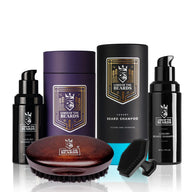

Indulge in Luxury
A great beard should look sharp, feel soft and carry a scent that stays with you for the right reasons - not leave you battling spots along the jawline. So, can beard oil clog pores? It can contribute to congestion for some men, but beard oil is rarely the whole story. The formula, your skin type, how much you use and what is already sitting on your face all matter.
Used well, beard oil conditions the beard and the skin beneath it, reducing that dry, tight, flaky feeling that can make even a strong beard look neglected. Used carelessly, any rich product can leave too much residue on skin that is already prone to breakouts. The answer is not to abandon your grooming ritual. It is to refine it.
Can beard oil clog pores?
Pores do not literally have a lid that beard oil screws shut. Congestion happens when dead skin cells, sebum and product residue build up inside a follicle. If bacteria and inflammation join the party, you may get a visible spot, tender bump or a run of blemishes around the beard line.
Some oils are heavier or more likely to feel occlusive on certain skin types. Others are lightweight and absorb quickly. Yet even a quality oil can become a problem when it is layered over sweat, SPF, styling product or a day’s worth of city grime. The beard then traps that mixture close to the skin, particularly around the chin, cheeks and neck.
It depends on the man wearing it. Dry or mature skin often welcomes a richer oil and may look calmer with regular use. Oily, acne-prone or combination skin may need a smaller amount, a lighter texture and more disciplined cleansing. If your beard feels brilliant but your skin is suddenly breaking out, your routine needs adjusting - not necessarily binning.
Why breakouts can appear under a beard
The most common culprit is overapplication. Beard oil is concentrated. A long, dense beard may need several drops, while short stubble usually needs only a couple. Coating the beard until it looks wet does not create a more commanding finish. It leaves excess product on the hair and skin, where it can collect dust and transfer to collars, pillows and your hands.
Application technique matters just as much. If oil is smoothed only across the outer beard, it can sit on top of the hair rather than conditioning the skin beneath. If it is rubbed aggressively into unwashed skin, it can mix with sweat and old product. Neither approach gives you the clean, polished result you are after.
Your cleanser may also be part of the issue. Washing too rarely allows oil, skin cells and daily dirt to build up. Washing too aggressively, on the other hand, can strip the skin and leave it feeling tight. Some skin responds by producing more sebum, while a dry beard becomes rough and unruly. A balanced routine wins over harsh scrubbing.
Then there is friction. Beard brushes, face masks, helmets, high collars and even a mobile phone pressed against the jaw can irritate the area and move bacteria around. Ingrown hairs after shaving or shaping the neckline can look very similar to acne. If bumps are concentrated where you shave, the oil may not be the main suspect.
Choose your beard oil with your skin in mind
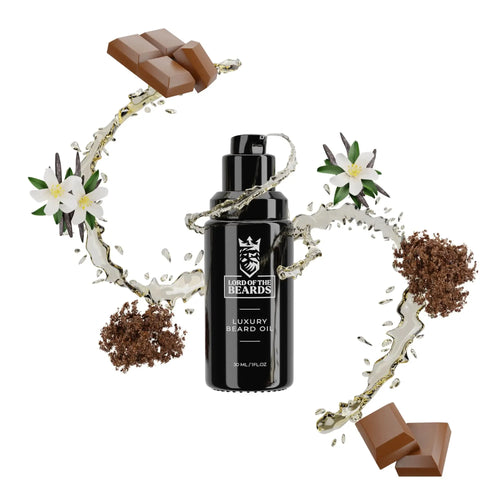
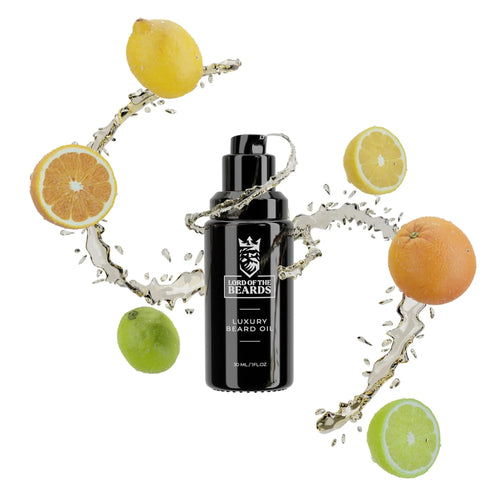
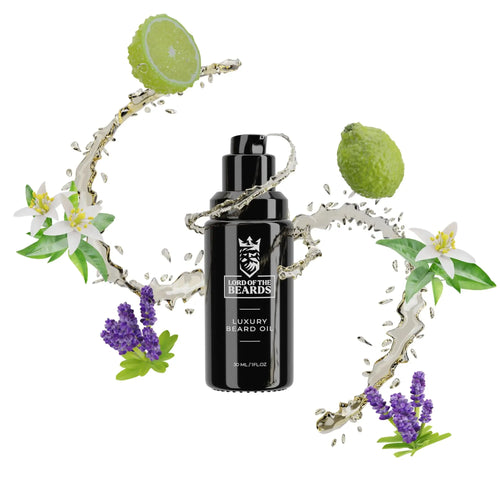
A premium beard oil should leave the beard supple and refined, not slick, heavy or coated. Look for a formula designed to feel lightweight and non-greasy, with a clear, uncomplicated ingredient list. Fragrance is part of the experience - your beard can carry an oud, tobacco, citrus or fresh blue scent with real presence - but your skin should still feel comfortable after application.
Natural does not automatically mean trouble-free. Every botanical oil is different, and skin reacts differently too. If you know your face becomes congested easily, introduce a new oil gradually rather than changing your entire routine overnight. Patch test first on a small area of skin, then use a restrained amount for several days while watching your jawline and neck.
Pay attention to timing. A formula that feels excellent after a morning shower may be too rich immediately before training, a long commute or a hot night out. On those occasions, use less, or apply after you have cleansed and cooled down. Confidence has a cleaner edge when your grooming fits the day ahead.
How to apply beard oil without overloading your skin
Start with a clean beard that is towel-dried, not dripping wet. Warm a few drops between your palms, then work the oil through the beard with your fingertips, reaching the skin underneath. Begin at the cheeks and jaw, then move through the chin and neck. Finish by shaping the beard with a comb or brush so the oil is distributed rather than pooled in one area.
For short stubble, two or three drops are usually enough. A medium beard may suit three to five. A longer, fuller beard can take more, but add one drop at a time. Your beard should feel conditioned and smell exceptional, while your hands should not remain oily minutes later.
Use beard oil once a day to begin with. If your beard and skin are very dry, a small second application can work, especially in cold weather. But do not assume more equals better. A measured routine creates the sort of natural, healthy finish that looks expensive without trying too hard.
Give it time before layering on balm, wax or styling cream. Beard balm can be excellent for control and shape, particularly when you want a fuller, more sculpted profile. It is also richer by nature. If you use both oil and balm, reduce the quantity of each and make sure your evening cleanse removes them properly.
A clear-skin beard routine that still feels luxurious
Wash your face daily and cleanse the beard regularly with a beard-friendly wash rather than ordinary body soap. The goal is to remove oil, pollution and styling residue without leaving the beard coarse. Rinse thoroughly, especially around the chin and under the jaw, where product can hide.
Keep your tools clean as well. A brush or comb collects loose hairs, skin cells and residue over time. Wash it regularly and let it dry fully. Change pillowcases often if you use oil at night, and avoid constantly touching or tugging at your beard during the day.
If you are prone to blocked pores, keep your wider skincare routine simple. Heavy moisturisers, thick sunscreens and multiple fragranced products may be competing for space on the same skin. You do not need to strip back every product forever. Instead, change one variable at a time so you can see what actually makes a difference.
When it is time to pause and get advice
A few spots after introducing a new product can be a clue, especially if they consistently appear where the oil touches your skin. Stop using it for a week or two and keep the rest of your routine steady. If the congestion settles, reintroduce it in a much smaller amount only if you want to test whether quantity was the issue.
Persistent painful acne, widespread itching, burning, swelling or a rash are different territory. These can signal irritation, folliculitis, contact dermatitis or another skin concern that deserves professional advice from a pharmacist, GP or dermatologist. Do not try to overpower an angry reaction with more oil, more cleansing or a stronger fragrance.
Your beard should be part of your presence, not a compromise with your skin. Keep the application light, the beard clean and the scent chosen with intention. When the formula and technique suit you, beard oil becomes what it should be: a quiet daily advantage that leaves your beard softer, your skin comfortable and your signature scent ready for the room.