
Indulge in Luxury
A round face does not need hiding. It needs contrast. The right beard creates cleaner angles, adds visual length and puts more definition where your jawline needs it most. That is why the best beard styles for round faces are less about growing the biggest beard possible and more about shaping it with intent.
A full, wide beard can make the face appear broader, particularly when the sides are allowed to balloon. A beard that is tighter at the cheeks and slightly longer through the chin, however, changes the balance. It gives your face a more structured, commanding profile without looking overworked.
What makes a beard work for a round face?
Think vertical, not horizontal. Your aim is to direct the eye downwards, using length at the chin and controlled volume at the sides. Defined cheek lines help too, because they introduce angles where a naturally round face has softer curves.
This does not mean every beard has to end in a sharp point. A subtle taper often looks more natural and is easier to maintain. The key is avoiding a silhouette that is equally full from sideburn to sideburn and across the chin. Your barber can set the initial shape, but the day-to-day result comes down to your trimming discipline and how you train the hair at home.
Your beard density matters. Men with thick growth can wear more length while keeping the cheeks compact. If your beard is patchier, a shorter style with crisp outlines will usually look more deliberate than forcing a long shape that lacks weight. Work with the beard you have, then make every line earn its place.
7 beard styles for round faces
1. The short boxed beard
The short boxed beard is one of the safest, sharpest choices for a round face. It keeps the sides neat and close to the jaw while leaving slightly more length at the chin. The result is structured, masculine and suited to office days, evenings out and everything in between.
Ask for a squared-off lower edge rather than a heavily rounded finish. Keep the cheek line clean but not unnaturally low, and make sure the neckline sits above the Adam's apple. Too much bulk beneath the jaw can create a double-chin effect instead of definition.
2. The tapered full beard
For men who can grow a proper beard, the tapered full beard brings presence without swallowing the face. The sideburns and cheeks are kept shorter, then the beard gradually gains length as it moves towards the chin. It is a confident style with enough room for texture, but it still has a plan.
The taper must be subtle. An aggressive fade can look too barbered if the rest of your grooming is relaxed, while no taper at all risks turning into a round cloud of hair. Use a beard brush after applying oil to guide the sides down and in, rather than outwards.
3. The extended goatee
An extended goatee, sometimes called a Hollywoodian, removes the cheek-heavy elements of a full beard and concentrates attention around the mouth, jaw and chin. The moustache connects to the beard along the jawline, while the upper cheeks stay clean-shaven.
It works well because it narrows the apparent width of the face. The vertical line from lip to chin becomes the focal point, especially when the chin is kept a touch longer than the jaw. This is a strong option if your cheeks grow unevenly or you prefer a cleaner, more tailored look.
4. The pointed beard
A pointed beard is made for men who want a bolder silhouette. It can be medium or long, but the defining feature is the controlled point or soft V shape beneath the chin. That downward movement gives a round face a more elongated appearance and adds a little edge to an otherwise classic full beard.
There is a trade-off: a dramatic point needs regular trimming or it can look thin and scruffy. Keep the point modest if your hair is fine. A fuller, softly tapered end usually looks more premium than trying to force a needle-sharp finish.
5. The Balbo beard
The Balbo combines a detached moustache with a shaped beard that follows the jaw and extends through the chin. There are no sideburn connections, which keeps the face visually open at the sides. It is polished, distinctive and particularly effective when you want a more sculpted appearance.
Precision is everything here. The gap between the moustache and beard should look intentional, and both sides must be even. This is not the style to trim in a rushed five minutes before work. But for the man who likes a deliberate grooming ritual, it carries serious character.
6. The anchor beard
The anchor beard is leaner than a Balbo and more expressive than a standard goatee. It follows the chin and jaw in a narrow line, often paired with a separate moustache, creating a shape that resembles an anchor. On a round face, that narrowness is the point: it avoids adding width while pulling focus downwards.
It suits men with defined moustache growth and decent coverage around the chin. If your jawline growth is sparse, keep the lines slightly thicker rather than drawing them too fine. A shape that looks strong from normal conversation distance will always beat one designed only for a bathroom mirror.
7. The medium stubble with a strong chin
Not every face needs a long beard. Medium stubble can look exceptionally sharp when it is shaped properly, with the chin left fractionally longer than the cheeks and jaw. This is lower commitment than a full beard, yet far more considered than simply not shaving for a week.
Set a clear neckline, tidy the cheek line and avoid letting the sideburn area become too dense. The difference in length can be modest - even a few millimetres is enough to create a stronger lower-face contour. It is ideal for men whose beard grows quickly but who prefer a cleaner, more athletic finish.
Shape the lines, not just the length
The wrong neckline can ruin even a good beard style. Shaving it too high leaves the jaw exposed and makes the beard look like it is clinging to the chin. Letting it drift too low adds unnecessary bulk beneath the face. As a reliable starting point, place two fingers above your Adam's apple and curve the neckline gently towards the back of each jaw.
Cheek lines deserve the same restraint. A natural, tidy line usually looks more convincing than a severe diagonal carved far into the beard. If you have strong growth high on the cheeks, remove only the strays above your chosen line. The goal is polish, not a stencil.
Check both lines from the front and in profile. Round faces often look balanced head-on but reveal excess width from the side when the beard is too puffy around the jaw. A handheld mirror and good light will show you what the bathroom mirror misses.
Keep the beard soft enough to hold its shape
A beard that feels dry will flare out, lose its line and make the face look wider. Soft, conditioned hair sits closer to the skin and responds better to a brush or comb. That makes beard care part of the shape, not an optional finishing touch.
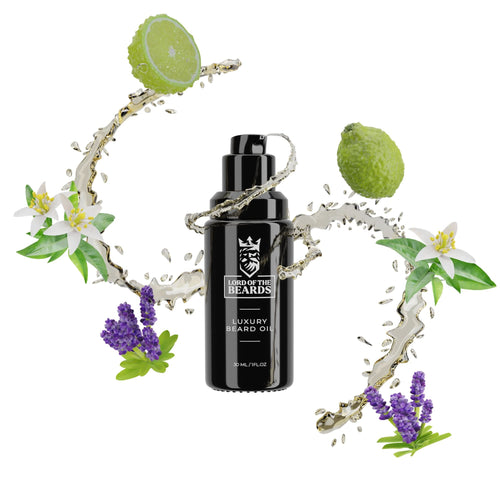
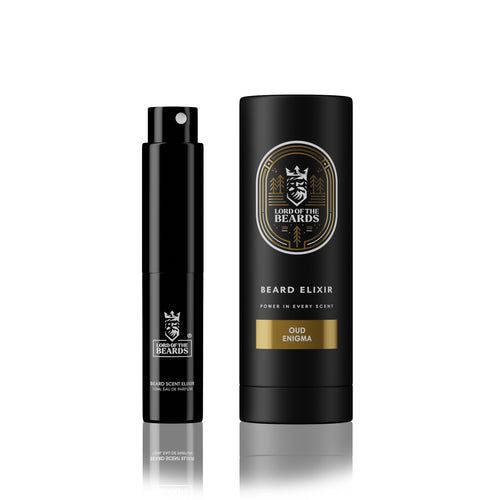
After washing, work a few drops of beard oil through the skin and beard while it is slightly damp. Start at the roots, then pull the remaining oil through the lengths. For a fuller style, finish with a small amount of balm to add control, especially around the cheeks and chin. The right scent turns this practical step into part of your presence - something warm and refined that stays close through the day rather than competing with the room.
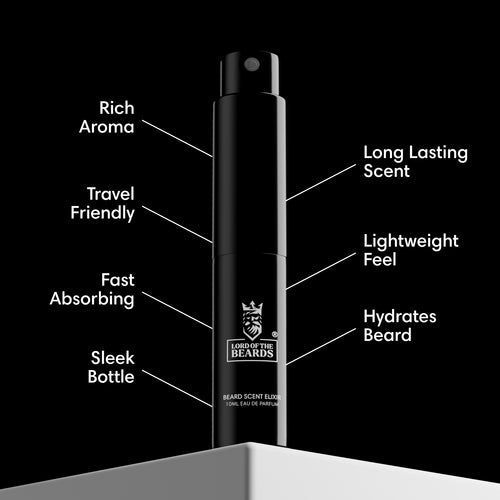
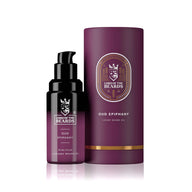
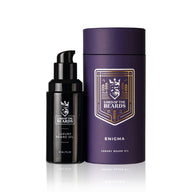
Lord of the Beards beard oil is designed for exactly that kind of daily finish: lightweight conditioning paired with a signature fragrance that feels closer to a considered cologne than a basic grooming product.
Match the style to your routine
The best-looking style is the one you will maintain. A Balbo or anchor beard rewards detail but needs frequent line work. A tapered full beard allows more flexibility, provided you brush it daily and book regular trims. Short boxed beards and shaped stubble are easier to manage at home, though they demand more frequent clipping to stay crisp.
Also consider your haircut. Tight or tapered sides can make a round face appear longer, which complements a beard with controlled cheek volume. A very wide, bulky haircut paired with a very wide beard can overemphasise the face's natural breadth. Balance is the whole game.
Choose the style that gives your chin direction, keeps your cheeks disciplined and feels right when you catch your reflection halfway through the day. A well-shaped beard should not look like a disguise. It should look like the sharper version of you has always been there.