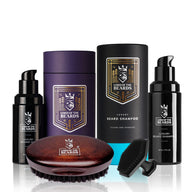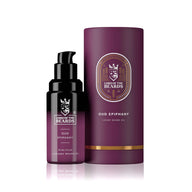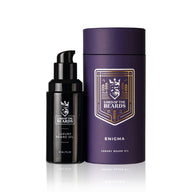

Indulge in Luxury
Your beard can look full, well-shaped and expensive, yet still feel coarse at the roots or leave the skin beneath it tight by lunchtime. That is where the beard oil versus face moisturiser question becomes more than a bathroom-cabinet debate. These products may both promise hydration, but they are made for different territory - and knowing the difference is how you keep your beard soft, your skin comfortable and your presence on point.
A face moisturiser cares for facial skin. Beard oil is built to condition facial hair while supporting the skin hidden beneath it. One is not automatically better than the other. For most bearded men, the strongest routine makes room for both, applied in the right order and in the right amount.
Beard oil versus face moisturiser: the real difference
Face moisturiser is formulated to sit directly on exposed skin. Its job is to help reduce the dry, tight feeling that can follow cleansing, shaving around the beard line, cold weather or central heating. It is usually designed to absorb without leaving the face shiny, and it may be lighter in texture than an oil.
Beard oil has a more specialised mission. It is intended to coat and soften the beard itself, helping wiry hairs feel smoother and look healthier. As you work it down to the skin, it also helps combat the dry, itchy feeling that can develop underneath a beard, particularly during the growth stage or in harsh British winter weather.
The key distinction is simple: moisturiser is skin-first; beard oil is beard-first. Treating a beard with only face cream can leave the hair feeling dry, dull or rough. Treating bare cheeks with beard oil alone may feel too rich for some skin types. Use each product where it earns its place.
What beard oil does that moisturiser cannot
A beard is not just the hair on your jaw. It is a layer that traps dead skin, sweat, food, city grime and fragrance from whatever you apply nearby. It also tends to pull natural oils away from the skin as it grows. That is why a beard can become prickly, flaky or difficult to control even when the rest of your face feels fine.
Quality beard oil replenishes that conditioned feel from root to tip. The immediate result is softness, but the visual difference matters too. A conditioned beard catches the light more evenly, appears fuller and is easier to brush into shape. Stray hairs settle. The outline looks deliberate rather than accidental.
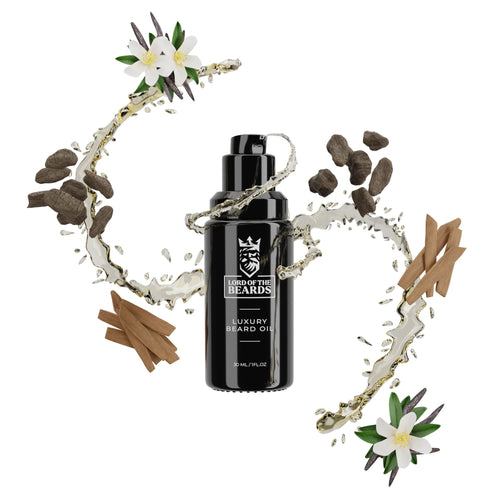
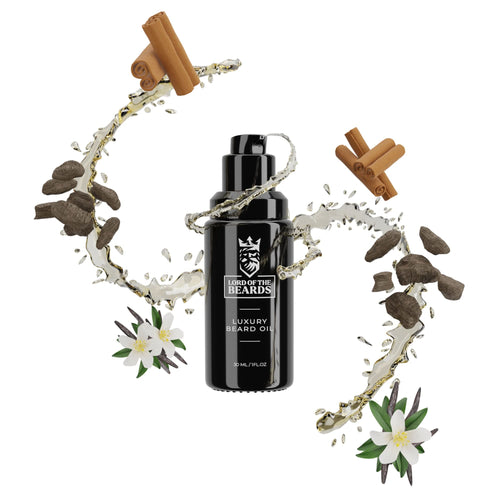
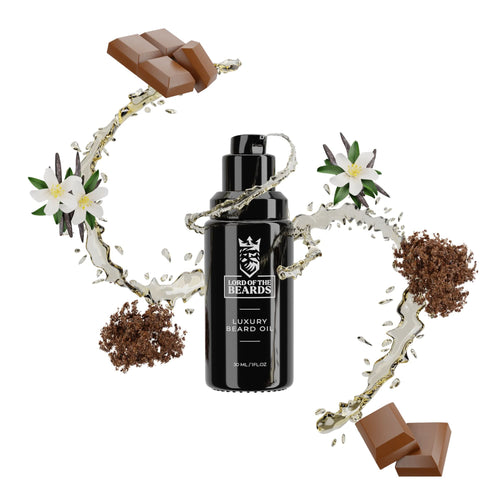
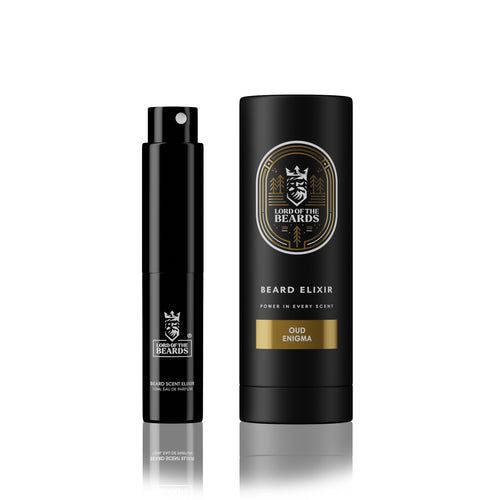
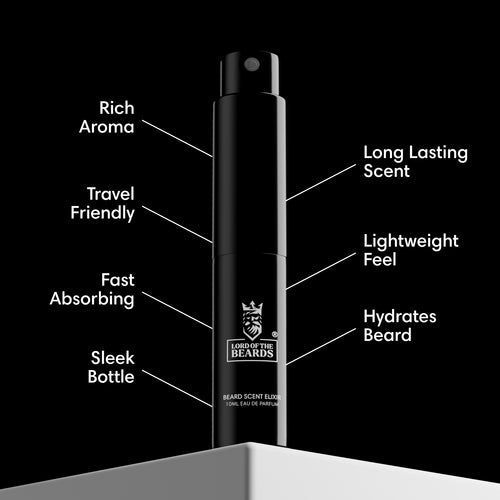
Then there is scent. A premium beard oil should not smell like a functional product you are eager to cover with aftershave. It can become part of your signature. A smoky tobacco accord, crisp citrus woods or dark oud notes add a close-to-the-skin fragrance trail that feels considered, not overpowering. It is grooming with presence.
Face moisturiser is not designed to cling to beard fibres or carry that scent story through the day. You can rub it into a short beard, but it will rarely give the same slip, softness or polished finish as a dedicated oil.
What face moisturiser does better
Do not abandon moisturiser simply because you have a beard. The areas around it still need attention: forehead, nose, cheeks, neck and the skin along your beard line. If your complexion feels dry, you get flaky patches outside the beard, or your face feels uncomfortable after washing, a moisturiser is doing work beard oil cannot fully replace.
It can also be the better choice for exposed areas prone to excess shine. If you have combination or oily skin, applying beard oil all over your face is unlikely to be the move. Keep the oil focused where the beard grows and choose a suitable moisturiser for the rest.
The same applies if you use targeted skincare, such as a treatment for blemishes or sensitivity. Your moisturiser can support that routine, while beard oil handles the facial hair. There is no need to force one product to do two jobs badly.
Can you use beard oil and face moisturiser together?
Yes - and for many men, that is the smart play. The order depends on how much beard you have and how dry your skin feels, but the principle stays the same: let your skincare reach your skin, then let your beard product reach the beard.
After cleansing, pat your face dry so it is not dripping wet. Apply moisturiser to the exposed areas of your face and, if needed, lightly around the edges of the beard. Give it a moment to settle. Then place a few drops of beard oil into your palms, rub your hands together and massage it through the beard, making sure your fingertips reach the skin beneath.
For a short beard, two or three drops may be plenty. A fuller beard often needs four to six, sometimes more if it is especially dense or long. More is not always more impressive. An oil that leaves your collar greasy or makes the beard look wet has been over-applied. You are aiming for supple, not slick.
If your beard is thick, use a beard brush or comb after applying oil. This distributes the product through the lengths, encourages a cleaner shape and keeps the fragrance from sitting only at the surface. It is a small ritual, but it changes how the beard carries itself.
When to choose one over the other
If you have stubble or a very short beard, your decision may lean more towards moisturiser, especially if the main concern is dry facial skin. A tiny amount of beard oil can still reduce prickliness and bring scent, but it does not need to be heavy.
If you have a medium or long beard, beard oil should be a daily essential. As the beard gets longer, the hair needs more conditioning and the skin beneath becomes harder to reach with a standard cream. That is where oil earns its reputation.
For dry or irritated skin underneath the beard, use both but review your technique. Often the issue is not that beard oil has failed. It is that it has been skimmed over the outer hairs rather than massaged down to the roots. Part the beard with your fingers, apply slowly and give the skin some attention.
For oily or blemish-prone skin, keep the application measured. Select a light beard oil, use fewer drops and avoid spreading it across bare skin. If sensitivity persists, simplify the routine and introduce one product at a time so you can tell what your skin responds to.
Common mistakes that make a beard feel worse
The first mistake is applying oil to a dirty beard. Oil seals in what is already there, so begin with a clean beard. You do not need to shampoo it aggressively every day, but a proper beard wash on a regular basis keeps buildup from spoiling the finish.
The second is confusing oil with styling hold. Beard oil conditions and adds control, but it will not tame a big, sculpted beard in high wind. If you want firmer shape, use beard balm after the oil has absorbed. The oil supplies softness and scent; the balm brings more structure.
The third is reaching for any old face lotion and hoping it will make your beard feel premium. It may soften the skin around your beard line, but it is unlikely to deliver the conditioned texture, non-greasy finish and lasting fragrance that make the daily ritual worth repeating.
Build a routine that smells as good as it looks
The best grooming routine is not the longest one. It is the one you can repeat without thinking, because the result feels good every time. Cleanse the beard, moisturise exposed skin, then apply a scent-led beard oil that suits the version of yourself you want to bring into the room.
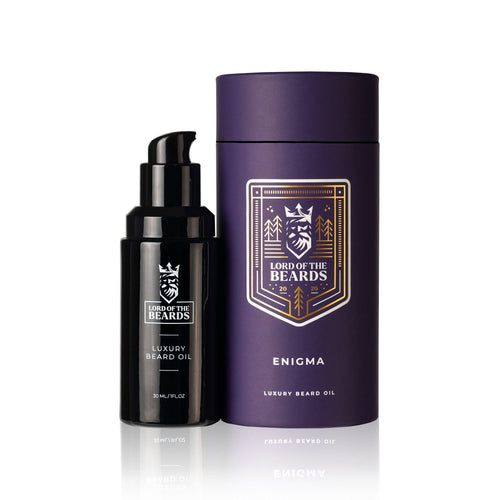
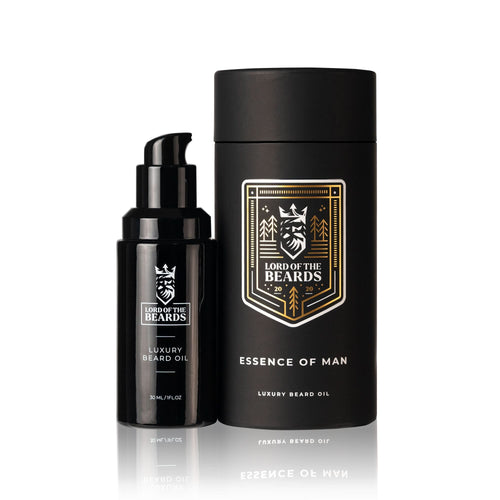
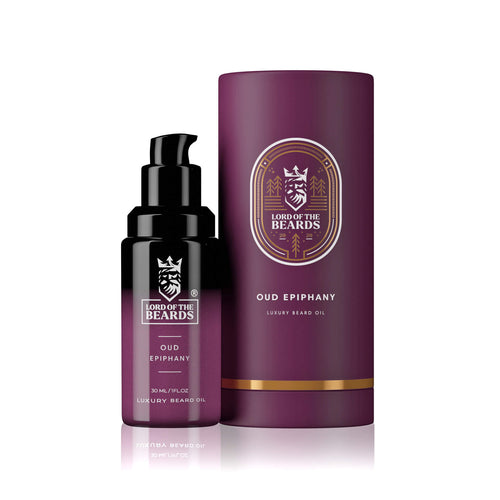
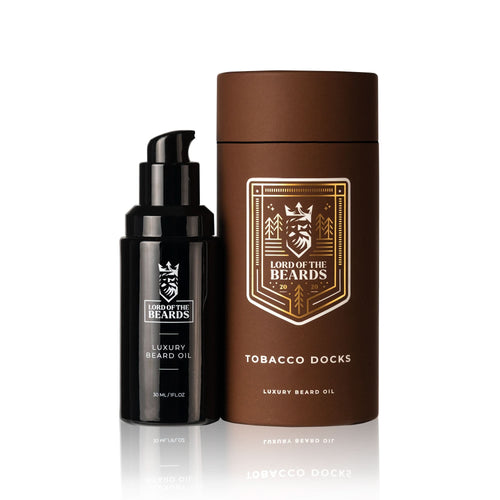
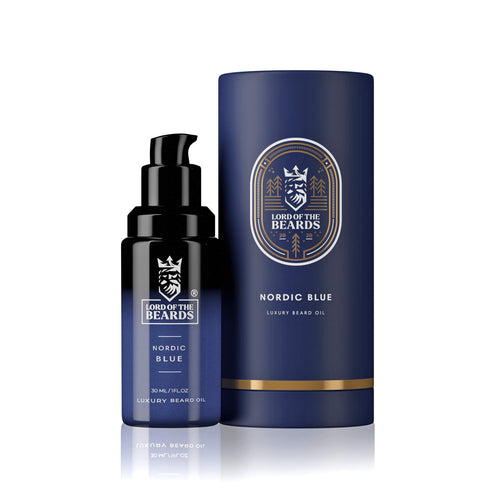
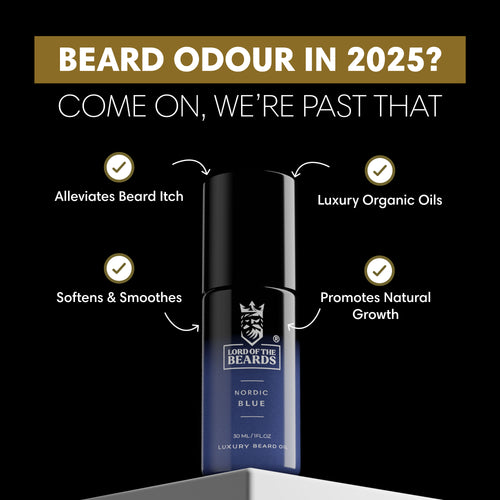
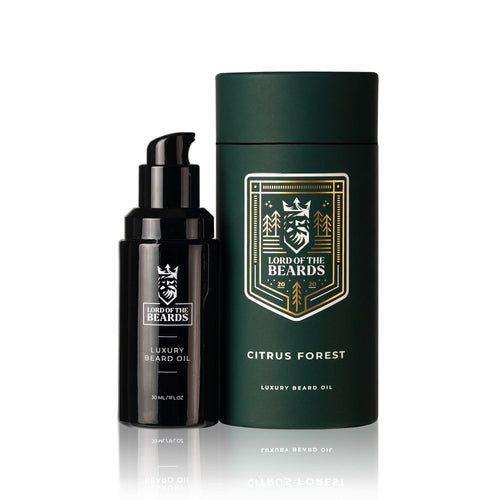
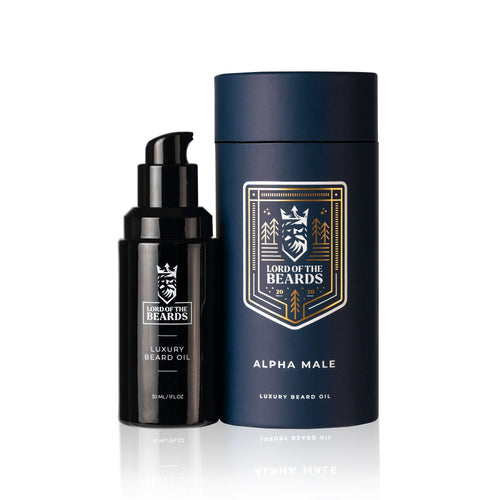
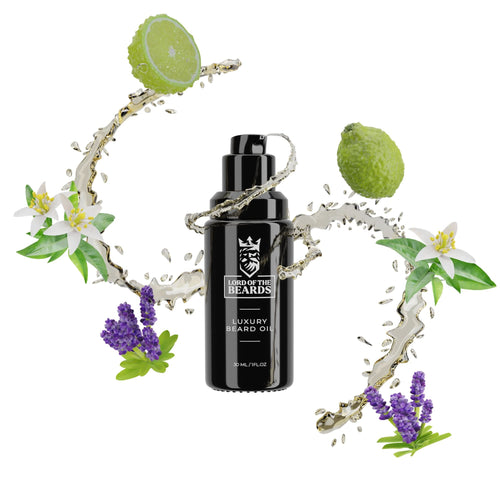
Lord of the Beards beard oil is made for that final step: softening the beard, supporting the skin beneath and leaving a refined fragrance that stays close through the day. Choose a scent with the same intent you bring to a great jacket or a proper watch. It should feel like yours.
Your face moisturiser keeps the canvas comfortable. Your beard oil gives the beard its finish, character and command. Give both their place, use them with restraint, and let the mirror confirm the difference before you step out.