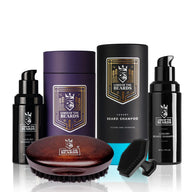

Indulge in Luxury
A beard can look full, strong and well shaped, then be ruined by one thing: the tacky shine on your collar, palms and mobile phone screen. Beard care without residue is not about using less product for the sake of it. It is about using the right formula, in the right amount, with a routine that leaves your beard soft, controlled and worthy of being noticed - not greasy by lunchtime.
The standard is simple. Your beard should feel conditioned when you run a hand through it, sit neatly when you catch your reflection, and carry a scent that stays close with quiet confidence. Nothing should be left sitting on top like an oil slick.
What residue is really telling you
Residue is not always a sign of a bad product. More often, it is a mismatch between product, beard length, skin type and application. Heavy oils used too generously can stay on the surface. Balm can collect in dense hair when it has not been warmed through properly. Even a quality beard oil will feel wrong if it is applied to a beard coated in yesterday's styling product.
There is also a difference between a healthy finish and a greasy one. A well-conditioned beard has a controlled, natural sheen. It moves easily, feels pliable and does not leave a film behind when you touch it. A greasy beard looks wet under indoor light, separates into shiny strands and can feel unpleasant against the face.
The goal is not a dry, matte beard. Dryness brings its own problems: brittle ends, rough texture, itch and that dull, unkempt look no sharp wardrobe can rescue. The aim is a light finish with serious conditioning underneath.
Start clean, but do not strip the beard
The cleanest route to beard care without residue begins in the shower. If your beard is carrying sweat, city grime, food splashes or old product, fresh oil has nowhere useful to go. It mixes with the build-up and sits on the hair rather than conditioning it.
Use a beard shampoo rather than reaching automatically for whatever is on the bathroom shelf. Hair shampoo can be too aggressive for facial skin and can leave a beard feeling stripped, which often leads men to overcompensate with too much oil afterwards. Wash as needed rather than by habit. For many men, two or three times a week is enough, while daily washing may suit a very active lifestyle or a beard exposed to dust and sweat.
Rinse properly. It sounds basic, but leftover cleanser can make the beard feel waxy or stiff once dry. Pat it with a towel until damp, not dripping. Product applied to a soaking beard is diluted and more likely to travel onto your neck, chest and clothes before it has a chance to settle.
The application method matters as much as the formula
Most residue problems begin with a rushed routine. A few drops poured into the palm, rubbed briefly and smoothed over the outside of the beard may make it shine, but it does little for the skin underneath. That is where beard oil earns its place.
Start with less than you think you need. A short beard may need only two or three drops. A medium beard often sits comfortably around three to five. A long or particularly dense beard may need more, but build up gradually rather than flooding it from the start. The exact amount depends on hair density, texture and how dry your skin feels.
Warm the oil between your palms for a few seconds. Then work it through from the skin outward, using your fingertips to reach beneath the beard before coating the lengths. Finish by combing or brushing through. This distributes the oil, separates the hairs and stops excess product gathering at the surface.
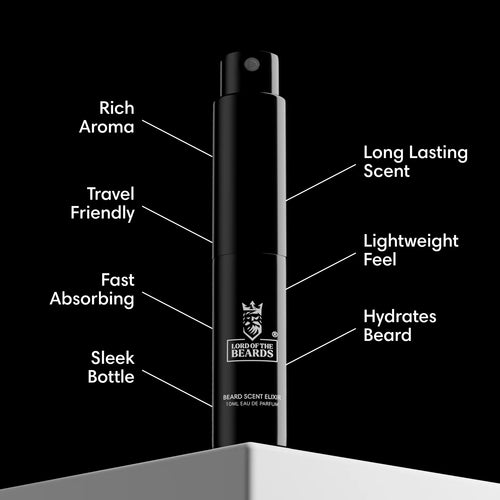
Give it a minute before deciding you need more. Fast absorption is not magic, but good technique gives a lightweight oil the best chance to perform as intended. If your palms still feel slick after application, you have probably used too much. Press them lightly into the ends of your beard rather than wiping the excess onto your trousers.
Choose oil for softness and scent, balm for hold
Beard oil is the daily foundation for most routines. It helps soften coarse hair, supports the skin beneath and gives the beard a polished finish without demanding a long styling session. For men who want their grooming to carry the presence of a refined fragrance, it also makes sense as the first layer of scent.
A premium oil should feel light in the hand and leave the beard touchable. The scent should develop as the warmth of your skin brings it to life, not announce itself with a harsh blast of synthetic sweetness. Think of it as the difference between wearing a proper fragrance and spraying a changing-room deodorant cloud.
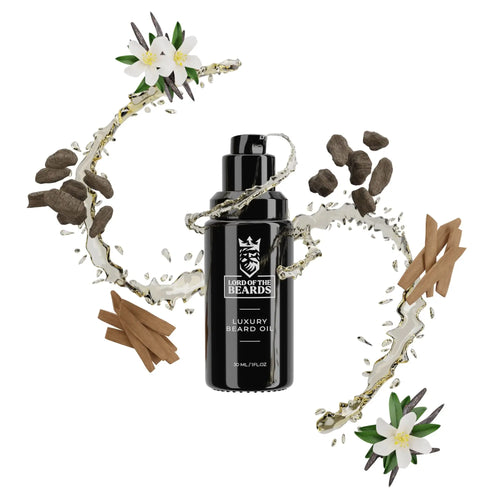
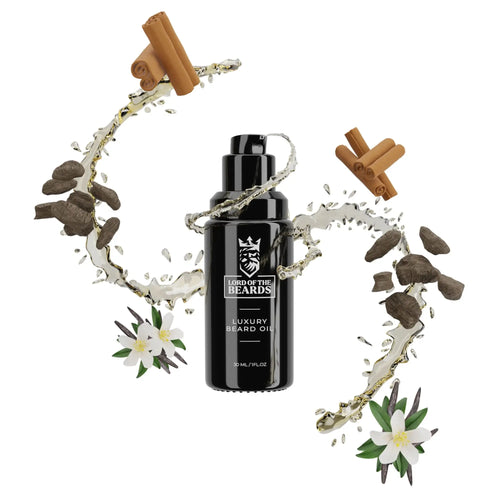
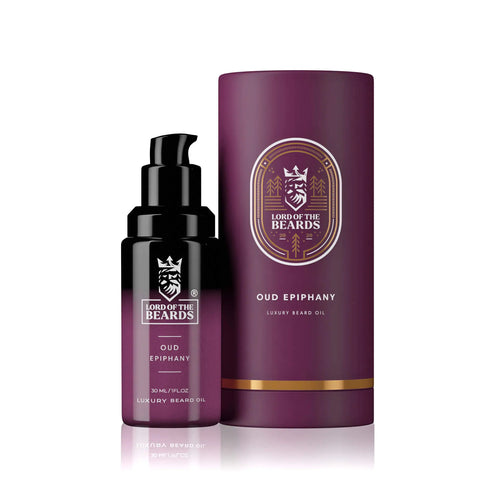
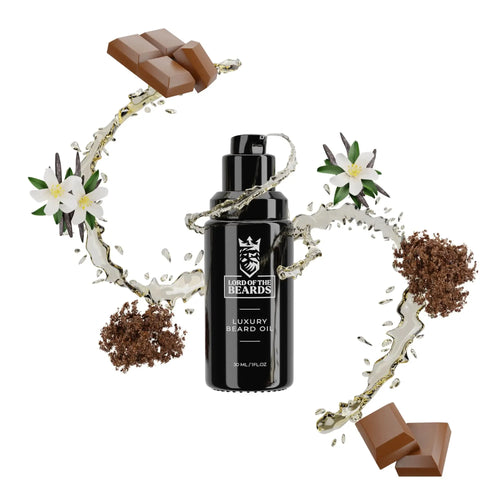
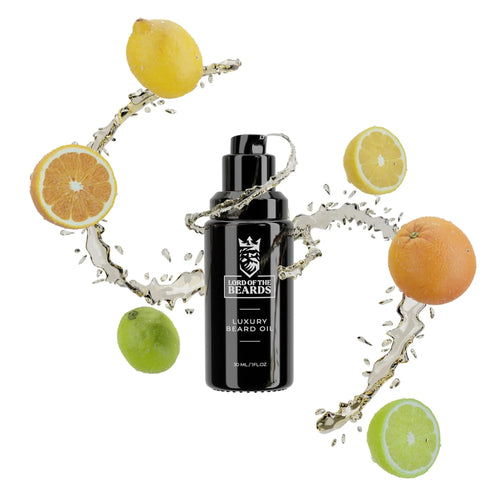
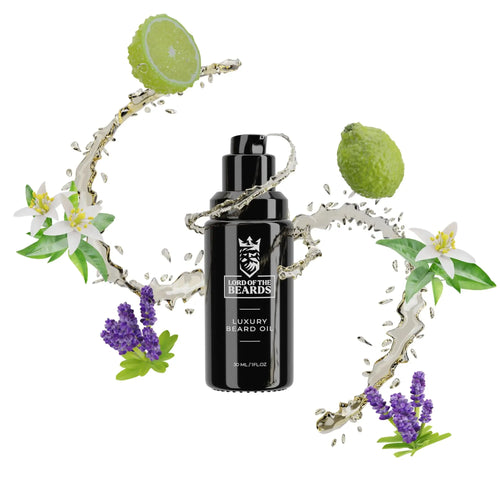
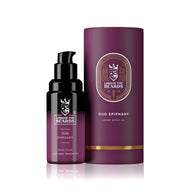
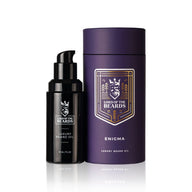
Lord of the Beards approaches beard oil as both conditioning and personal presence: a beard should feel softer, but it should also carry a signature. Oud-led depth suits evenings, sharper citrus notes bring energy to the morning, and tobacco or woody accords give a fuller, more grounded character. Your scent is personal, but the finish should always feel effortless.
When balm is the better choice
Balm is useful when your beard needs shape as well as conditioning. If the sides flare out, your moustache loses direction or the jawline needs a more deliberate finish, a small amount of balm can bring discipline without making the beard look lacquered.
The trade-off is clear: balm has more potential to leave residue than oil because it is designed to provide hold. Take a thumbnail-sized amount, soften it fully between warm palms until there are no visible grains, then work it into the beard from underneath before smoothing the outer layer. Thick balm applied cold is one of the quickest ways to end up with clumps and a dull coating.
You do not always need oil and balm together. For a short beard, oil alone is often enough. For a longer beard with dry ends and a mind of its own, apply a light layer of oil first, wait a moment, then use a minimal amount of balm where control is needed. More product does not create more authority. Precision does.
Do not let scent turn into overload
A scented beard product should feel like part of your grooming identity, not compete with every fragrance in the room. If you wear eau de parfum, choose a beard oil whose notes complement it, or keep the application lighter. Warm woods, citrus, spice and fresh marine profiles can all work brilliantly, but too many competing layers can feel confused.
Beard oil is also closer to the nose than most body products. A scent that seems modest in the bottle may become far more noticeable once it is under your face for eight hours. Test it over a full day before committing to a heavier application. The best signature scent earns compliments when someone moves closer, not when they are standing across the office.
Fix the common causes of a heavy finish
If your beard still feels coated after refining your routine, look at the details. First, reduce the amount of product for several days. Many men discover their ideal dose is half of what they assumed. Second, make sure the beard is damp rather than wet and that your hands are dry before you apply oil.
If residue appears later in the day, the issue may be accumulation rather than application. Build-up from balm, skin oils and environmental dirt needs a proper wash, not another layer of beard oil to disguise it. If flakes are involved, avoid scratching them loose with your nails. Cleanse gently, condition consistently and give the skin a chance to settle.
Hair texture changes the equation too. Coarse, curly beards can take a little more oil, while straight or fine beards may look heavy quickly. Colder weather can call for extra conditioning; humid days may require a lighter hand. Treat your routine as grooming, not a fixed prescription. Your beard gives you feedback every time you touch it.
A sharp beard should leave an impression, not evidence. Keep the skin clean, apply with control, and choose a scent that feels like yours. That is how a daily ritual becomes the quiet confidence you carry out the door.