FREE DELIVERY ON ALL UK ORDERS OVER £30


A cold platform at 7am, rain in the air and dry central heating waiting at the office: winter puts your beard through more than most grooming routines admit. Proper beard care for winter weather is not about piling on product. It is about protecting the skin beneath your beard, keeping the hair conditioned and making sure your signature scent still carries with confidence.
The season has a habit of making even a well-kept beard feel rough, flat and difficult to control. Treat it like the premium part of your look that it is. A few deliberate adjustments can keep your beard soft to the touch, sharp at the edges and ready for close quarters.
Why winter changes your beard
Cold air holds less moisture. Step outdoors and your beard can feel brittle; step back inside and dry heating pulls moisture from both skin and hair. Add wool scarves, coat collars, wind and the occasional downpour, and you have the perfect conditions for itchiness, beard dandruff and a wiry finish.
The real issue often starts at the skin. When it becomes dry and irritated, the beard above it rarely looks its best. Flakes show more clearly against dark knitwear, while coarse hair catches on scarves and loses its natural shape. More product is not always the answer, but the right balance of cleansing, conditioning and protection is.
Winter can also change how fragrance performs. Brisk air may make a scent seem quieter outdoors, while the warmth of a pub, train or office brings its deeper notes forward. That makes a quality beard oil particularly useful: it conditions the beard while giving your routine the presence of a refined cologne.
Beard care for winter weather starts at the skin
If your beard feels itchy in winter, resist the urge to scrub it harder. Aggressive washing can strip the natural oils that your face needs most at this time of year. Cleanse your beard with a gentle beard shampoo rather than ordinary hair shampoo, and do not assume daily washing is necessary.
For most men, two or three proper washes a week are enough. If you train every day, work outdoors or have picked up city grime during a long commute, you may need to wash more often. The key is to judge your own skin: tightness, persistent flaking and a beard that feels straw-like are signs you may be over-cleansing.
Use lukewarm water, not water hot enough to steam the bathroom mirror. It feels good after a cold walk, but very hot water can leave skin even drier. Massage shampoo down to the skin with your fingertips, rinse thoroughly and pat the beard dry with a towel. Do not rub it into a frenzy. Wet hair is more vulnerable, and rough drying encourages frizz.
Oil while the beard is still slightly damp
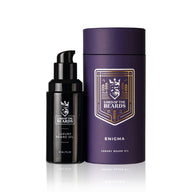
This is the winter move that earns its place in your routine. After washing, apply beard oil when your beard is towel-dried but not completely bone dry. A little remaining moisture helps the oil spread evenly, while the formula conditions the hairs and supports comfortable skin beneath.
Start conservatively. A short beard may need only a few drops, while a fuller beard needs more. Warm the oil between your palms, work it through from the skin outwards, then use your fingers to make sure it reaches the areas under the chin and along the jaw. These are easy to miss and often the first places to become dry.
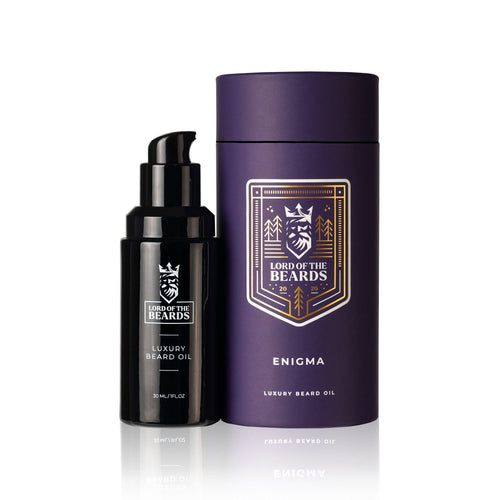
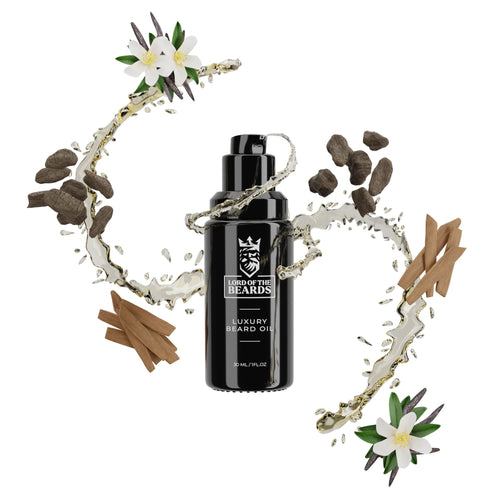
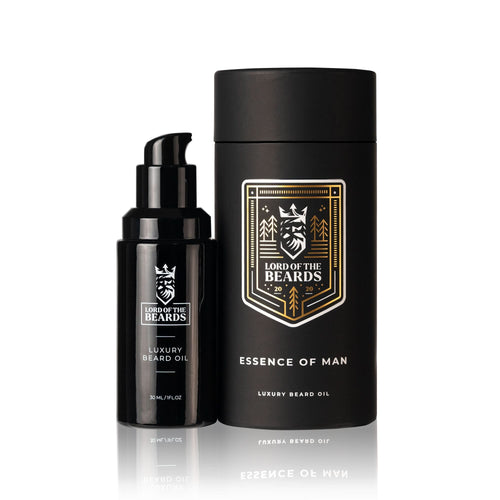
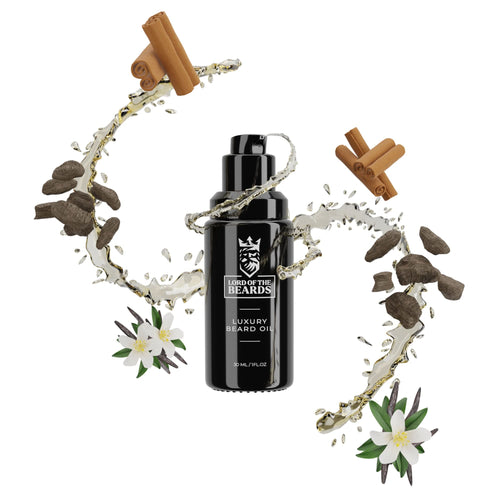
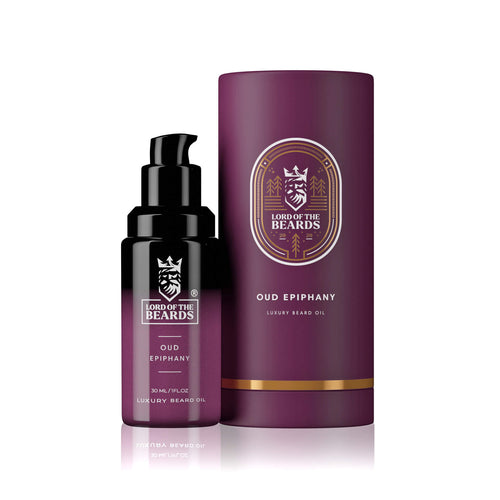
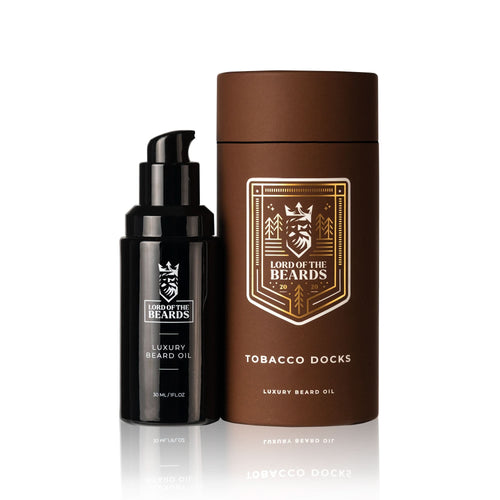
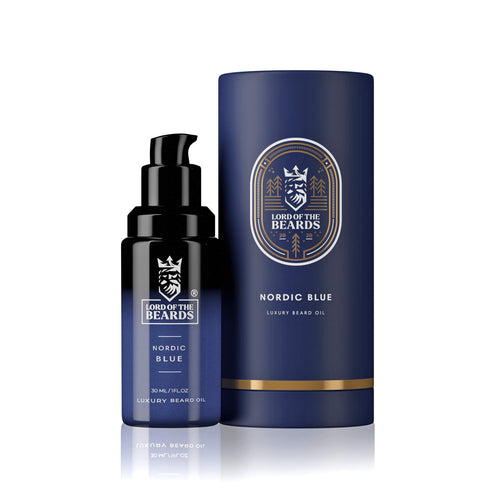
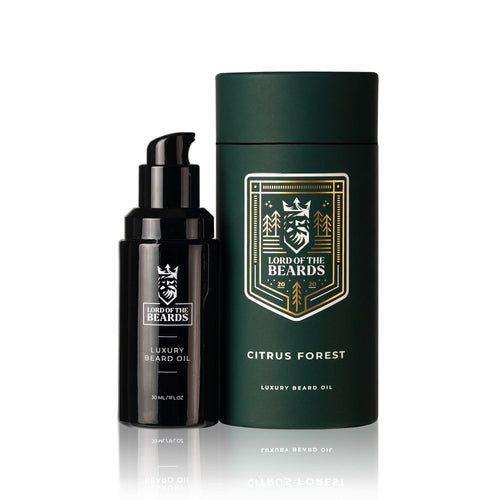
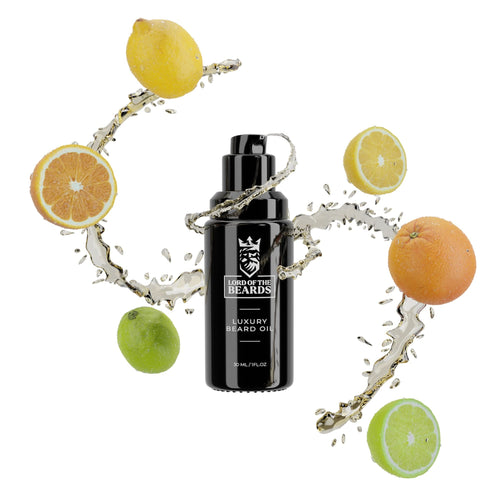
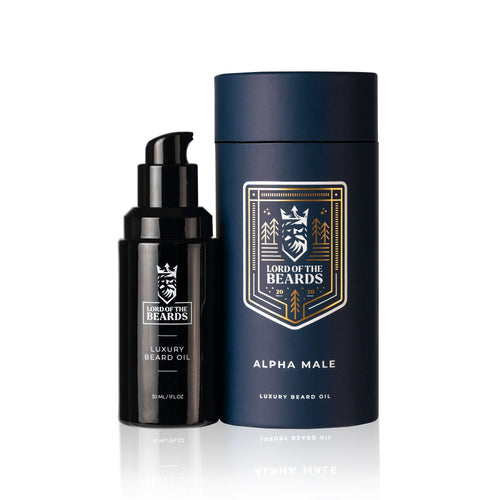
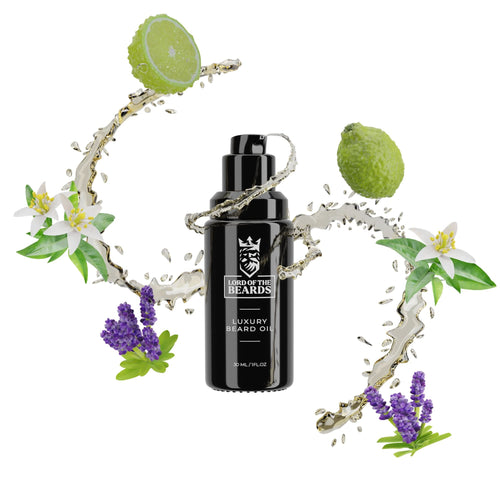
Choose a scent that feels like part of your wardrobe, not an afterthought. Fresh citrus and cool blue notes bring clarity to grey mornings; tobacco, oud and woods feel right with heavier fabrics and evening plans. The goal is a scent that stays close enough for someone to notice when they step in, without entering the room before you do.
Use balm when the weather fights back
Beard oil is your daily conditioning foundation. Beard balm earns its place when the wind is up, your beard is longer, or you need more control than oil alone can provide. It adds another layer of moisture while helping stray hairs sit where they should.
This does not mean every beard needs oil and balm in heavy amounts at the same time. Fine or short beards can look greasy if overworked. Start with oil, then use a small amount of balm only on the surface and troublesome areas. Men with dense, coarse or longer growth may prefer oil first and balm afterwards, especially before a day in cold weather.
Rub balm between your palms until it softens, then press it through the beard and shape with a brush. Aim for controlled, natural density rather than a stiff, over-styled finish. Your beard should look touchable, not shellacked.
Do not let scarves undo the work
A scarf is essential in a British winter, but constant friction can roughen beard hair and absorb the oil you have just applied. Let oil settle for a few minutes before wrapping up. If your beard is long enough to sit against the scarf, carry a small brush or comb for a quick reset when you arrive.
Fabric matters too. Scratchy wool may irritate sensitive skin, particularly around the neck and jaw. A softer lining or a looser wrap can make a noticeable difference. This is not vanity. If your skin is irritated all day, your beard routine is already fighting a losing battle.
Build a routine that fits the day
The strongest winter routines are simple enough to repeat. On a normal weekday, shower or rinse as needed, dry gently, apply beard oil and brush the beard into shape. Add balm when you need hold, then give the scent a moment to settle before heading out.
At night, assess rather than automatically reapply. If your beard has been exposed to rain, a long train journey, gym sweat or dry office air, a light touch of oil can restore softness. If it still feels conditioned, leave it alone. Your beard does not need to be coated to look expensive.
Once or twice a week, spend an extra two minutes on detail. Brush from the skin outwards to lift loose hairs and distribute natural oils. Check the neckline and cheek line in good light. Winter coats and darker evenings can make an untidy edge easier to ignore, but clean boundaries are what make a full beard look intentional.
The winter mistakes that dull a good beard
The first mistake is confusing dryness with a need for more styling product. Wax-heavy formulas can tame hairs, but they do not necessarily address dry skin underneath. If flakes or itch are the problem, return to gentle cleansing and a nourishing oil before adding more hold.
The second is treating a beard like scalp hair. Standard shampoos can be too harsh for facial skin, while body wash leaves residue and does little for beard softness. A dedicated beard shampoo kit is a smarter choice if you want a straightforward routine without guessing which products belong where.
The third is ignoring your beard after it gets wet. Rainwater, fog and damp air can alter the shape of your growth, especially around the moustache and jaw. When you get indoors, pat it dry, brush it back into line and use a drop or two of oil if it feels coarse. Do not attack it with heat from a hairdryer on full blast. If you use one, choose a low setting and keep it moving.
Finally, do not abandon fragrance when the temperature drops. Winter is built for richer, more characterful notes. A beard oil with depth can make your morning routine feel less like maintenance and more like preparation. It is the difference between simply having a beard and wearing one with purpose.
Make your winter beard part of your presence
A good beard in winter should feel soft beneath a gloved hand, sit cleanly above your collar and carry a scent with enough character to be remembered. That requires consistency, not complication. Protect the skin, condition the hair and choose hold only when your beard asks for it.
For men who want their grooming shelf to match the rest of their standards, Lord of the Beards brings the ritual together with luxury beard oils, balms and scent-led grooming essentials made for a beard that refuses to fade into the background. Keep the routine tight, choose a fragrance that feels like yours and let winter weather meet a better-prepared version of you.