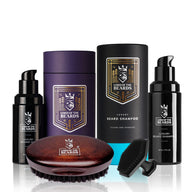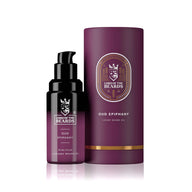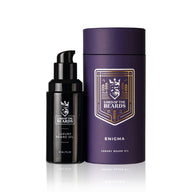

Indulge in Luxury
A sharp beard is never an accident. It is the result of a barber approved grooming routine built around clean skin, deliberate shaping and products that make your beard look as good at 7pm as it did when you left the house. The aim is not to make your face look overworked. It is to look naturally in command - softer beard hair, clearer lines and a scent with enough presence to be remembered.
The difference between an average routine and a strong one is consistency. Your barber can create the structure, but what happens between appointments decides whether that structure holds its authority or disappears into dry ends, stray hairs and an itchy neckline.
Start with the Skin Beneath the Beard
A great beard sits on healthy skin. Ignore that and even the best shape will soon look flat, flaky and uncomfortable. The mistake many men make is treating their beard as though it is separate from their face. It is not. The skin beneath it needs attention first.
Wash your beard with a dedicated beard shampoo two or three times a week, adjusting for your lifestyle. If you train hard, work in a dusty environment or use heavy styling products, you may need a little more. If your skin tends towards dryness, daily shampooing can strip away the natural oils that keep both skin and beard balanced.
On non-wash days, rinse with warm water if needed, but do not keep attacking the beard with harsh cleanser. A beard that feels squeaky clean is often a beard that is about to feel dry. Pat it dry with a towel rather than rubbing it aggressively. Friction roughs up the hair cuticle and encourages the untidy, puffed-out look that no amount of last-minute balm can fully disguise.
Apply Beard Oil While It Is Slightly Damp
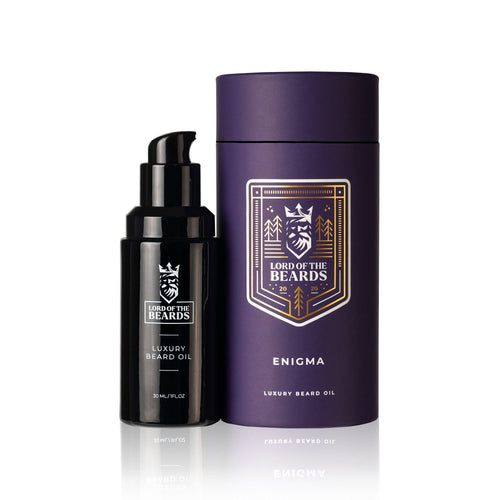
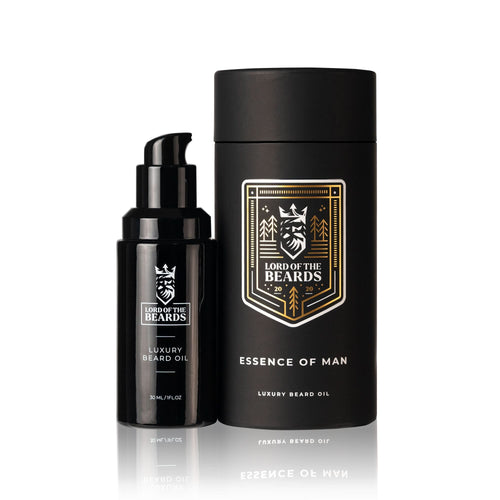
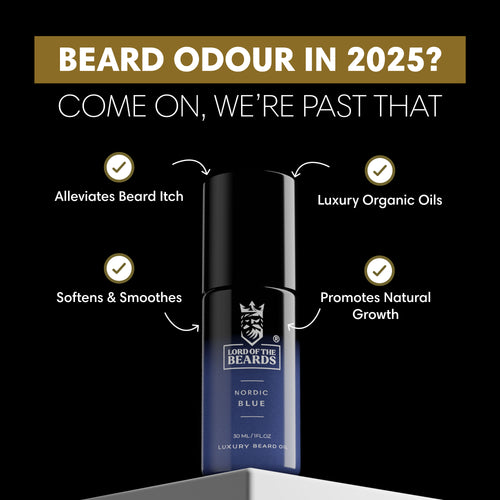
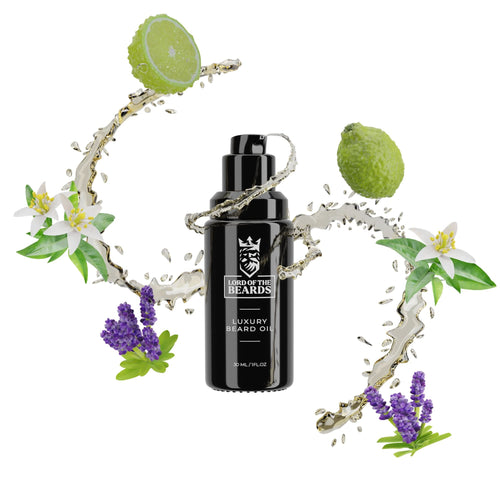
This is the step that earns its place every day. Beard oil is not surface shine for photographs. Applied properly, it helps soften coarse hair, condition the skin beneath and make the beard easier to shape. It also turns the first five minutes of your morning into something more considered than a rushed glance in the mirror.
Use it after showering, when your beard is towel-dried but still carries a touch of moisture. For shorter beards, two to three drops may be enough. A fuller beard usually needs four to six, while a longer, denser beard may call for more. Start modestly. You can always add another drop, but an overloaded beard looks greasy rather than groomed.
Warm the oil between your palms, then work it through the beard from the skin outwards. Get your fingertips underneath the hair before smoothing the lengths. Finish by running your hands along the direction of growth. This is where a premium scent earns its keep: not as a substitute for fragrance, but as a close-range signature that stays with you through the day.
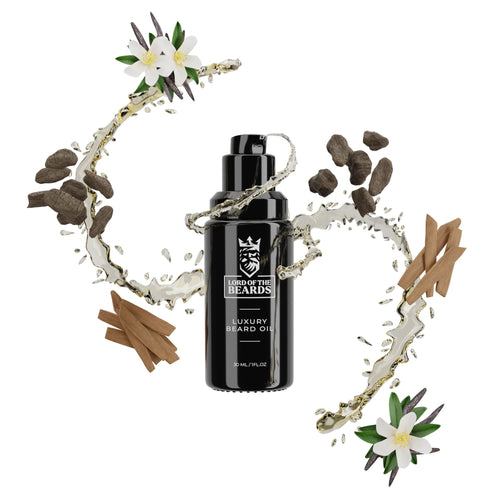
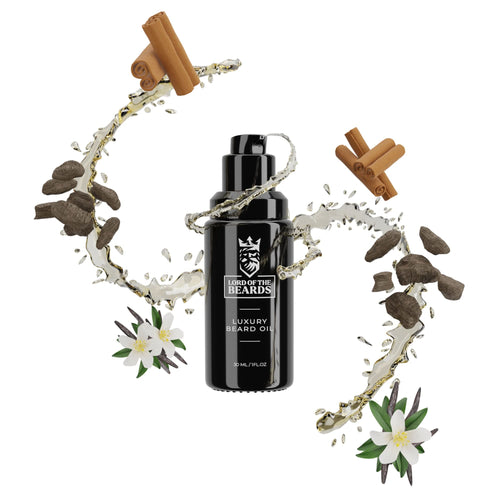
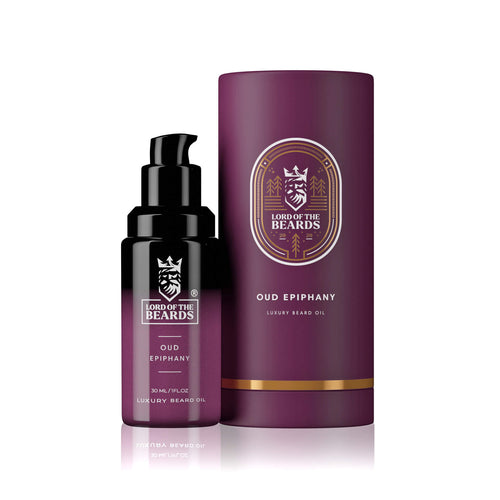
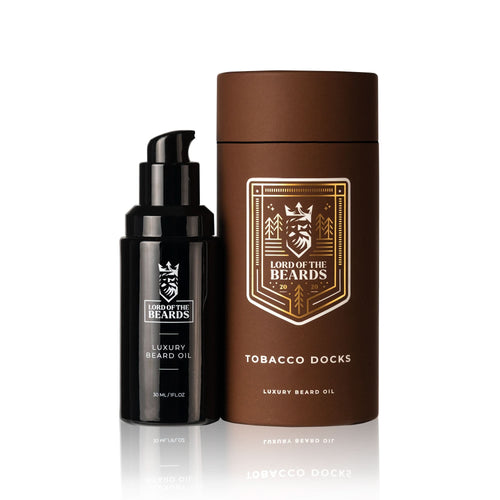
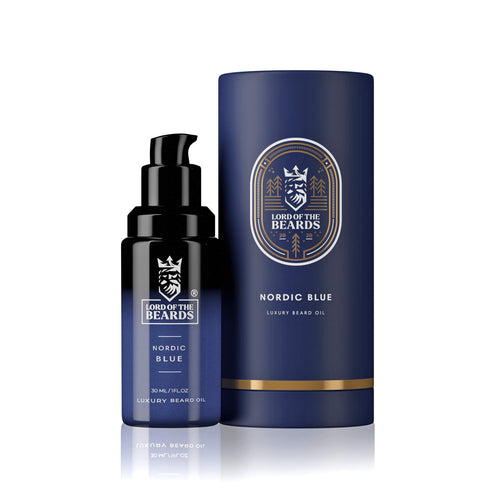
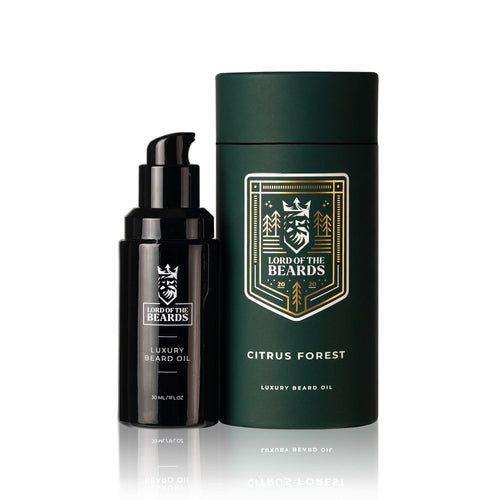
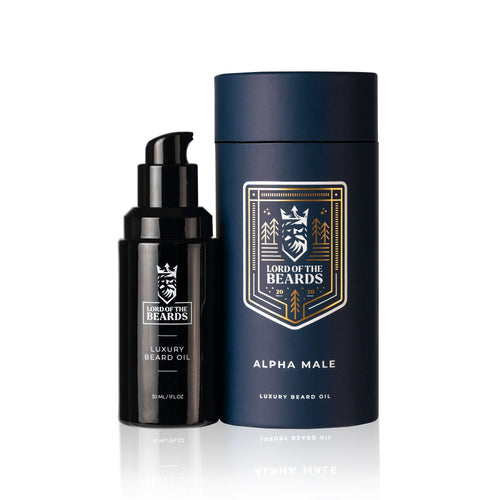
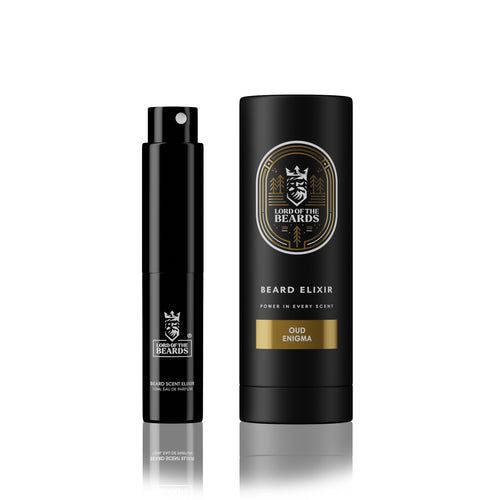
Choose the scent according to the impression you want to leave. Dark oud and tobacco notes bring evening weight and quiet confidence. Fresh citrus or cool Nordic-style notes suit a cleaner, sharper daytime profile. The point is not to smell like everyone else in the room. It is to wear a fragrance that feels like yours.
Brush Before You Reach for the Trimmer
A beard brush does more than make hair sit down. It helps distribute oil, trains the beard into its intended direction and exposes the hairs that are genuinely out of place. Use it after oil, once the beard has had a minute to settle.
Brush down and out from the cheeks, then guide the hair towards the chin. For a longer beard, brush the sides down first before shaping the front. Going straight in with a trimmer while the beard is unbrushed is how men take too much off one side, chase symmetry on the other and turn a simple tidy-up into an unnecessary rescue job.
A comb can be useful for longer beards, particularly when you need to lift and separate the hair before trimming. But for everyday control, a quality brush gives the beard a more natural finish. You are aiming for density and direction, not a helmet of perfectly flattened hair.
Keep the Lines Clean, Not Carved In
Your neckline and cheek lines create the frame. When they are neglected, a good beard can look tired within days. When they are cut too high or too sharply, the beard can look artificial and smaller than it is. There is a balance.
For the neckline, imagine a point roughly two fingers above your Adam’s apple, then follow a gentle curve towards the angle of your jaw. That gives the beard room to look full while avoiding the neck-heavy look. If you are unsure, leave it slightly lower and ask your barber to set the line at your next appointment. A barber can see your facial proportions from angles you cannot.
Cheek lines depend on your natural growth. If your cheeks grow densely, keep the line clean but follow its natural movement rather than drawing a dramatic slope. If growth is lighter, do not force a high line that reveals patchiness. A lower, softer line can look stronger because it works with the beard you actually have.
Use a precision trimmer for maintenance, not major redesigns. Check your lines every few days in good light. A few controlled hairs are easy to remove. Waiting two weeks and then attacking everything at once rarely ends well.
Use Balm When Hold Is the Missing Piece
Oil conditions. Balm adds control. If your beard is medium to long, naturally wiry, or prone to expanding at the sides, beard balm gives you the extra hold that oil alone cannot provide. It is especially useful on dry days, in wind, or when you need your beard to hold its shape from commute to dinner.
Scrape out a small amount, warm it properly between your palms and work it through the outer layer of the beard. Too much balm can make hair feel waxy and stiff, so use restraint. The best result is a beard that looks controlled when viewed from across the room but still feels touchable up close.
There is no need to treat oil and balm as rivals. For many beards, oil first and balm second is the right combination. Oil supports the skin and softness; balm finishes the shape. Shorter beards may only need oil. A longer beard with a strong wave may benefit from both every day. Your beard’s length, density and texture decide the rule.
Build Your Routine Around Barber Visits
Your home routine maintains the standard. Your barber appointments reset it. Most men with a shaped beard benefit from a professional tidy every two to four weeks, depending on growth speed and how defined they like their lines. If you are growing a beard out, book less for removal and more for guidance. A good barber will protect the bulk while taking away the areas that make growth look accidental.
Do not arrive with a beard drenched in product. Clean, dry hair lets your barber assess density, growth patterns and the shape that will suit you best. Be clear about what you want, but give them useful information rather than vague instructions. Say whether you want more length at the chin, tighter sides, softer cheek lines or a beard that works with your usual haircut.
A barber-approved routine also means respecting the plan after you leave the chair. If you have been advised to grow a particular area, do not trim it because it looks uneven for three days. Growing a better beard often involves a short phase where it looks less finished before it looks far more intentional.
The Five-Minute Standard
The most effective routine is the one you will actually repeat. Cleanse when needed, towel-dry gently, apply oil to the skin and hair, brush into direction, then use balm if your beard needs extra discipline. Check the neckline and cheeks before they become a project.
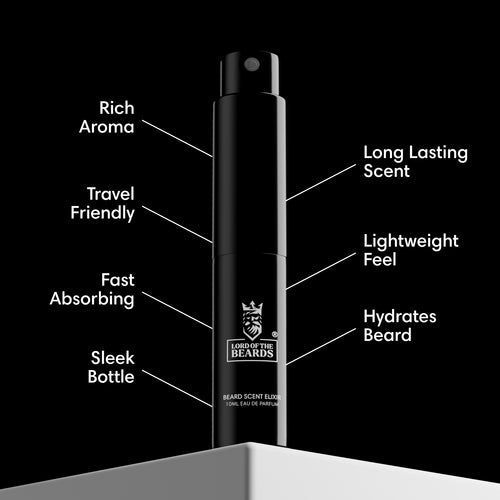
Lord of the Beards approaches that daily ritual as more than maintenance. A well-chosen beard oil should feel lightweight, absorb without the greasy aftermath and leave behind a fragrance with the presence of a proper finishing touch.
Your beard does not need a complicated cabinet of products or an hour in front of the mirror. It needs a few strong decisions made consistently. Keep the skin comfortable, preserve the shape your barber created and wear a scent that gives your grooming routine its own identity. That is how a beard stops being facial hair and starts becoming part of your presence.