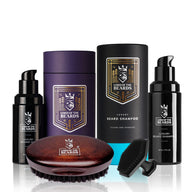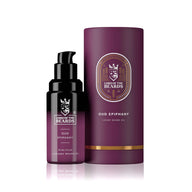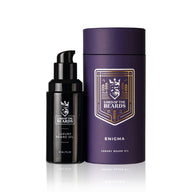

Indulge in Luxury
You catch a whiff halfway through the day and it is not your fragrance doing the heavy lifting. If you have ever asked, why does my beard smell bad, the answer is usually less dramatic than you think - and far easier to fix. A beard holds onto everything: food, sweat, skin oil, smoke, stale air, and whatever else your day throws at it. Left unchecked, that mix can turn a strong beard into something that feels less refined and more neglected.
The good news is that beard odour is rarely about the beard itself. It is usually about what is trapped in it, how the skin underneath is behaving, and whether your routine is built for a proper beard rather than an afterthought.
Why does my beard smell bad in the first place?
A beard is dense, warm, and close to the skin. That makes it the perfect place for odour to build if you are not cleaning and conditioning it properly. Natural oils from your skin are not the enemy, but when sebum mixes with sweat, dead skin, food residue, pollution, and bacteria, the scent can shift from masculine to musty very quickly.
Length matters too. A shorter beard may pick up less, but it can still smell if the skin underneath is oily or irritated. A fuller beard is more likely to trap moisture and external odours, especially after the gym, cooking, commuting, or a long day in the office. If you smoke, spend time around strong kitchen smells, or work in a physically demanding environment, your beard is absorbing more than you realise.
There is also the simple fact that facial hair sits around the mouth. Coffee, sauces, milk, beer, spices, and snacks all leave traces. If you are not rinsing or washing consistently, your beard becomes a record of your meals.
The most common causes of beard odour
Poor washing is the obvious one, but overwashing can cause trouble as well. If you strip your beard with a harsh shampoo meant for the hair on your head, your skin may respond by producing more oil. That creates the perfect conditions for unpleasant smells and irritation.
Sweat is another major factor. Sweat itself is not always the issue. The smell comes when bacteria break it down, especially in warm, damp conditions. If you train regularly or wear face coverings for long periods, your beard can stay humid for hours.
Then there is beard dandruff. Dry skin flakes, trapped oil, and mild irritation can all create a stale smell that lingers even after a quick rinse. It does not always look severe. Sometimes the beard appears fine on the surface while the skin underneath is congested and unhappy.
Product build-up can also sabotage you. Heavy waxes, cheap oils, or too much balm can cling to the beard and trap grime. If your beard feels coated rather than clean, the scent profile can turn thick and sour instead of fresh. A premium beard should smell intentional, not overloaded.
When bad beard smell points to your skin
Sometimes the smell is coming less from the hair and more from the skin beneath it. If the area under your beard is red, itchy, flaky, or greasy, you may be dealing with irritation, blocked follicles, or a yeast-related skin issue such as seborrhoeic dermatitis. That sounds clinical, but it is common and manageable.
This is where many men get it wrong. They treat the beard surface but ignore the foundation. A beard can only smell good consistently if the skin underneath is balanced. If the skin is inflamed or overloaded with oil, fragrance will only mask the problem for a while.
If you notice soreness, spots, a sharp sour smell, or persistent flakes that do not improve with a better routine, it may be worth speaking to a pharmacist or GP. Sometimes the best move is not more product. It is the right diagnosis.
How to fix a beard that smells bad
Start with washing, but do it properly. A dedicated beard shampoo two to three times a week is enough for most men. If your lifestyle is sweat-heavy, you may need more frequent cleansing, but not with aggressive products every day. On non-wash days, rinse your beard with warm water and work your fingers through it to dislodge sweat, crumbs, and stale residue.
After washing, dry it thoroughly. Not aggressively, just properly. A damp beard left to air dry in a cold bathroom can hold onto that wet-fabric smell. Pat it down with a clean towel and let it breathe. If your beard is thick, use a beard brush or comb to help separate the hairs and speed up drying.
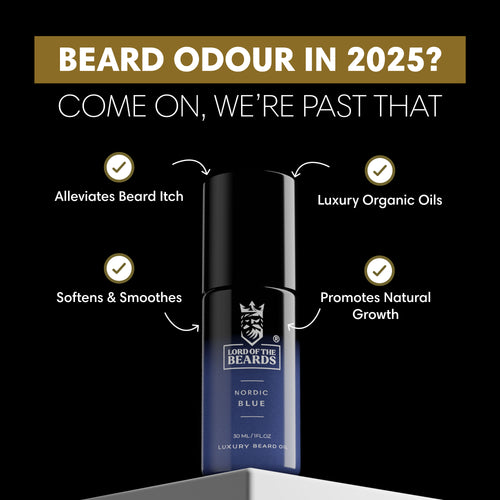
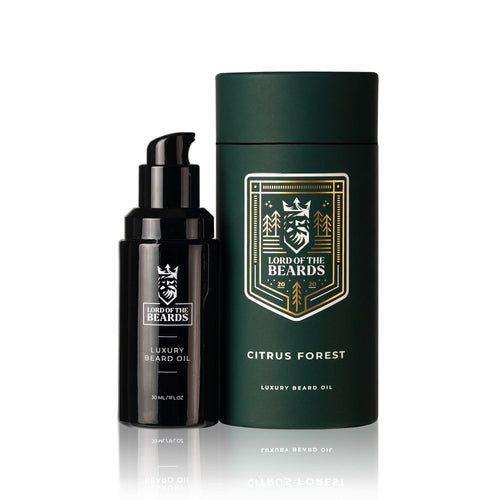
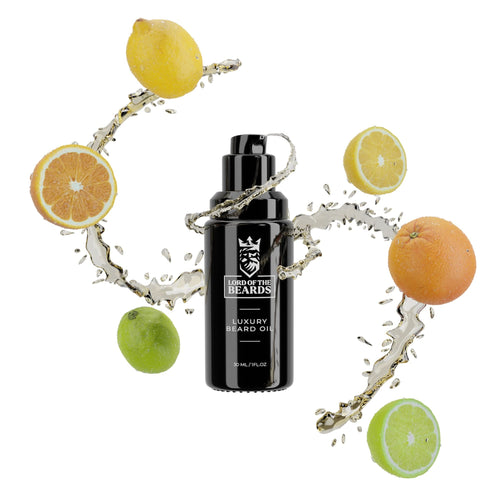
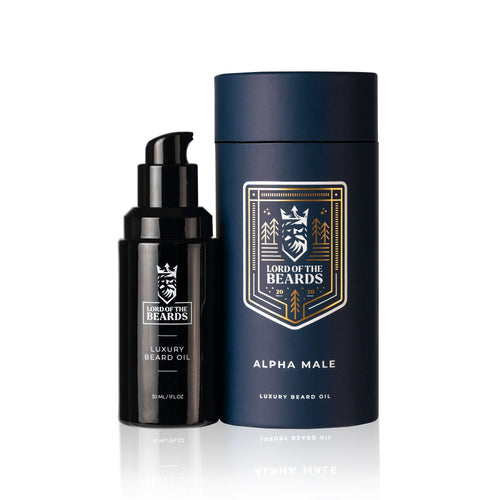
Then condition it. This is where quality beard oil earns its place. A good beard oil softens the hair, supports the skin, and leaves behind a clean, wearable scent that feels closer to a signature fragrance than a cover-up. It should absorb quickly, not sit greasy on the surface. That matters, because greasy product can trap odour instead of replacing it.
A beard balm can help if your beard is longer or coarser, but balance matters. Too much product and you create build-up. Too little care and the beard dries out, which can trigger flaking and a dull, stale smell. The sweet spot is a beard that feels clean, soft, and controlled.
Why fragrance alone will not save it
If you are trying to blast away beard odour with aftershave, stop there. Fragrance layered on top of stale oil and trapped food is not sophisticated. It is chaos. The better move is to build freshness at the source.
That means clean beard, healthy skin, and scent designed to sit naturally in the beard all day. When your beard is properly maintained, fragrance works the way it should - subtle at first, then warm, masculine, and close to the skin. More presence, less panic.
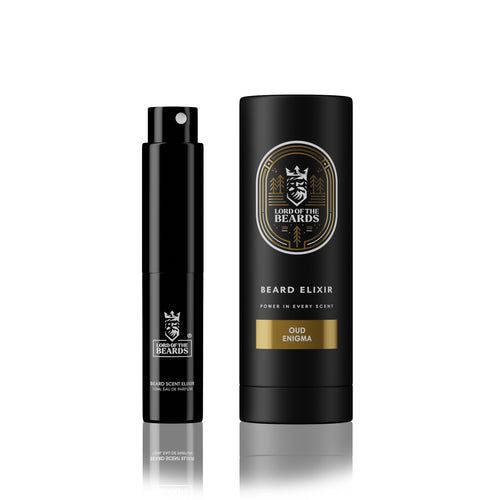
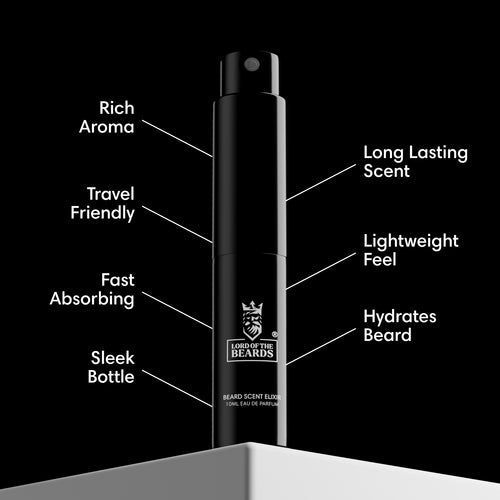
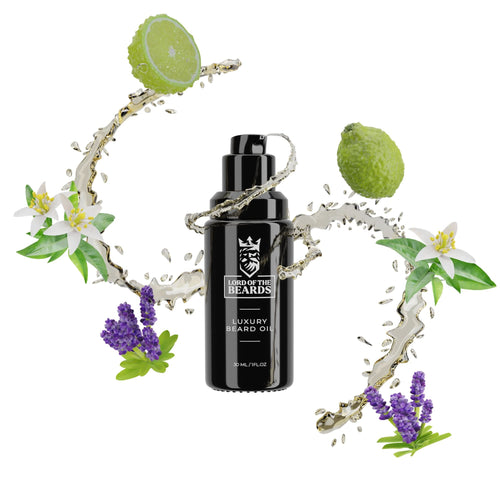
This is exactly why scent-led beard care has an edge. It does two jobs at once. It keeps the beard in strong condition while giving you a polished scent trail that feels deliberate, whether you lean towards oud, tobacco, citrus, or something colder and cleaner.
Why does my beard smell bad even after washing?
If the smell returns quickly, one of three things is usually happening. First, you are not washing the beard deeply enough to reach the skin beneath. Second, you are drying and styling with dirty tools or towels. Third, your pillowcase, scarf, or face covering is transferring odour straight back into the beard.
Your beard brush matters more than most men think. If it is full of old oil, dead skin, and dust, you are grooming yesterday’s grime back into today’s beard. Clean your brush and comb regularly with warm water and a gentle cleanser, then let them dry fully.
Your environment matters too. If you spend hours around frying oil, smoke, pets, damp spaces, or strong industrial smells, the beard will absorb that atmosphere. In those cases, a better maintenance routine is not vanity. It is damage control.
A sharper routine for a fresh beard
A clean beard routine does not need to be complicated, but it does need consistency. Wash with a beard-specific cleanser several times a week, rinse after meals or training when needed, dry the beard properly, and apply a beard oil that leaves the hair soft and the scent elevated rather than overpowering.
Exfoliating the skin under the beard once or twice a week can help if flaking or trapped oil is part of the issue. So can trimming split or damaged ends if your beard has become unruly. A beard that is shaped and maintained tends to hold product better and smell cleaner through the day.
Diet and hydration also play a part. Strong foods, dehydration, and heavy alcohol intake can subtly affect body odour and skin balance. It is not the first place to look, but if your routine is solid and the smell persists, lifestyle can be part of the picture.
For men who want their beard to do more than just exist, this all comes down to standards. Your beard should look sharp, feel smooth, and carry a scent that says presence, not neglect. That is the difference between basic upkeep and a grooming ritual with intent.
If your beard smells off, do not just mask it. Reset it. Clean the beard, respect the skin, and use products that leave behind the kind of scent you actually want attached to your name. Lord of the Beards built its reputation on that idea for a reason.
A beard should never work against your presence. Get the routine right, and every close conversation lands the way it should - clean, confident, and unmistakably well kept.