
Indulge in Luxury
A good beard oil should feel like it belongs there: a few drops worked into the beard, skin feels comfortable, hairs sit with more control, and the scent gives your morning routine real presence. But the bottle is doing more than adding a polished finish. The answer to what is beard oil made of tells you whether it will leave your beard conditioned and refined, or merely shiny and overloaded.
At its core, beard oil is a blend of skin-friendly carrier oils, often supported by botanical extracts or vitamin E, then finished with a fragrance. The formula may be simple, but the quality of each component matters. The right balance gives you a lightweight, non-greasy finish and a scent that wears with the quiet confidence of a proper cologne.
What Is Beard Oil Made Of?
Most beard oils are built around carrier oils. These are the oils that make up the majority of the formula, carrying the fragrance while softening beard hair and conditioning the skin beneath it. A beard is not just facial hair. It grows from skin that can become dry, tight or irritated, particularly when longer hairs pull moisture away from the face.
Carrier oils help reduce that dry, coarse feeling by coating and conditioning the hair shaft while supporting a softer feel at the roots. They also make beard oil easy to spread through dense facial hair. That matters because a premium oil should reach the skin, not just gloss over the top layer of your beard.
The exact blend depends on the intended finish. Some oils absorb quickly and feel almost weightless. Others are richer and suit men with a longer, thicker or more unruly beard. There is no single best formula for every man. Your beard length, hair texture, skin type and preferred finish all have a say.
The carrier oils that do the hard work
Jojoba oil is one of the most popular beard oil ingredients because it closely resembles the natural oils produced by skin. Technically a liquid wax rather than a traditional oil, it is prized for its light feel and smooth spread. It is a strong choice if your beard is shorter or your skin tends to feel oily by lunchtime.
Argan oil brings a more luxurious conditioning touch. Rich yet usually well absorbed, it helps beard hair feel softer and more manageable without necessarily leaving it heavy. It is especially welcome when a beard feels dry, wiry or prone to looking dull after washing.
Sweet almond oil is often used for its softening qualities and silky glide. It can make a beard feel noticeably smoother, although men with known nut allergies should always read the label carefully and choose accordingly. Ingredients should work for your routine, not become a gamble.
Grapeseed oil is another lighter option, often used to keep a blend fast-absorbing. It suits men who want beard oil before work, the gym or a night out, without the feeling of product sitting on the face. A light finish does not mean a weak formula. It means the blend has been designed with restraint.
Castor oil can appear in smaller amounts to add body and a richer feel. It is thicker than oils such as jojoba or grapeseed, so too much can make a formula feel sticky or slow to absorb. Used intelligently, it can bring welcome weight to a full beard that needs more control.
Botanical extras and antioxidants
Some beard oils also include additional ingredients such as vitamin E, rosemary leaf extract or other plant-derived extracts. These are usually there to help support the formula, add skin-conditioning qualities or protect the oils from oxidising too quickly.
Vitamin E is a common example. It is often included in small amounts, not because it turns beard oil into a miracle treatment, but because it can support the stability of the blend. In practical terms, a well-made oil should smell fresh and feel consistent from the first application to the last.
You may also see oils such as avocado, coconut, hemp seed or apricot kernel. Each brings a slightly different character. Coconut oil can feel more substantial and may become solid in cooler conditions. Avocado oil is richer and better suited to dry, coarse beards. Apricot kernel oil tends to be lighter and smooth, making it useful in blends designed for a clean, conditioned finish.
A longer ingredient list does not automatically mean a better beard oil. In fact, a focused formula with quality carrier oils and a well-balanced fragrance can outperform a cluttered bottle full of fashionable ingredients. What matters is how it feels on your skin, how your beard responds, and whether you genuinely want to wear the scent again tomorrow.
Fragrance is where beard oil earns its character
Carrier oils provide the performance. Fragrance gives the oil its identity.
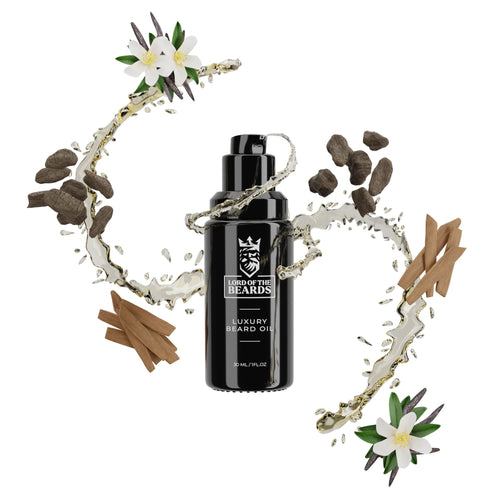
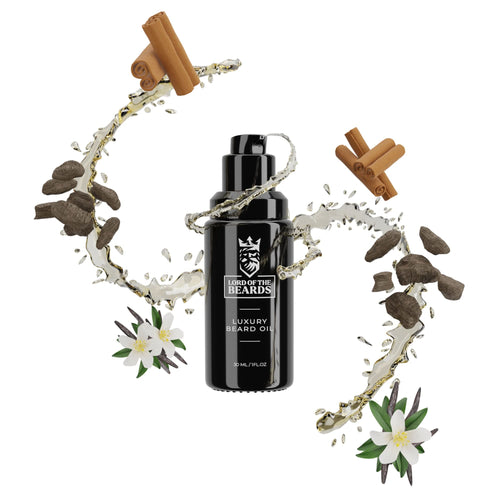
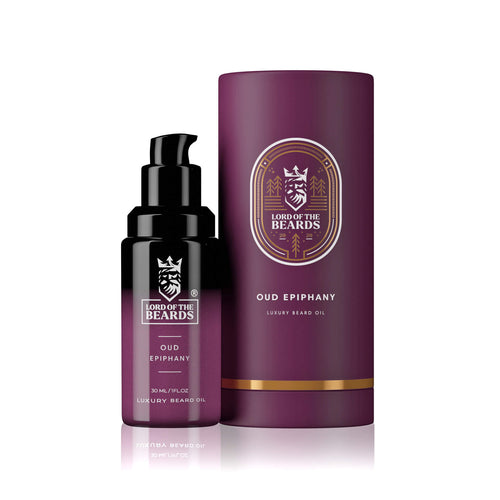
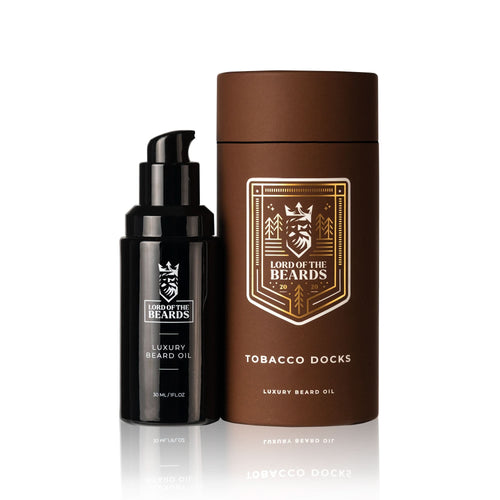
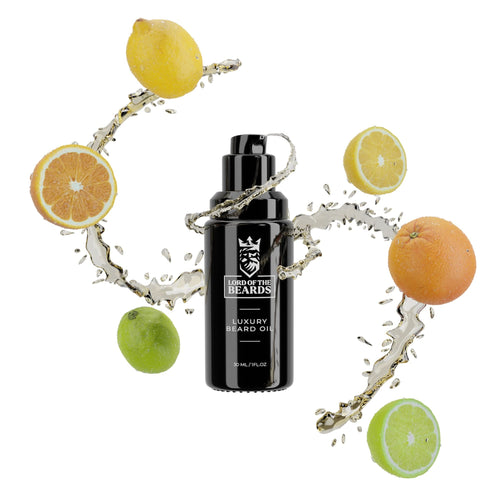
In a luxury beard oil, scent should not feel like an afterthought. It is part of your daily presence, sitting closer to the face than most grooming products and staying with you through meetings, commutes and evenings out. The best blends move beyond a generic “fresh” smell and create something with structure: warm woods, dark oud, crisp citrus, aromatic herbs, tobacco notes or cool marine accords.
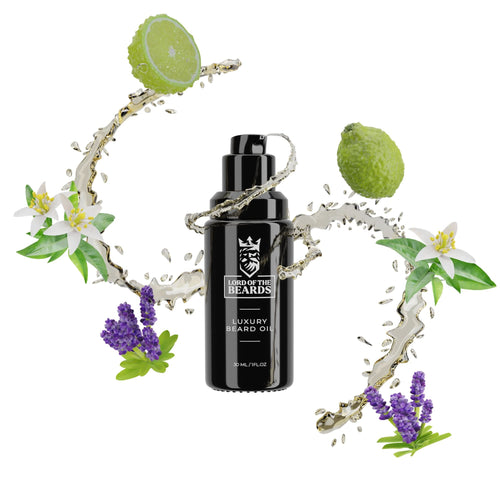
Fragrance can come from essential oils, fragrance oils, or a combination of the two. Essential oils are naturally derived aromatic extracts, such as cedarwood, sandalwood, bergamot or peppermint. They can create beautiful, recognisable notes, but natural does not automatically mean gentler. Essential oils are potent and can irritate sensitive skin when poorly formulated or used at high concentrations.
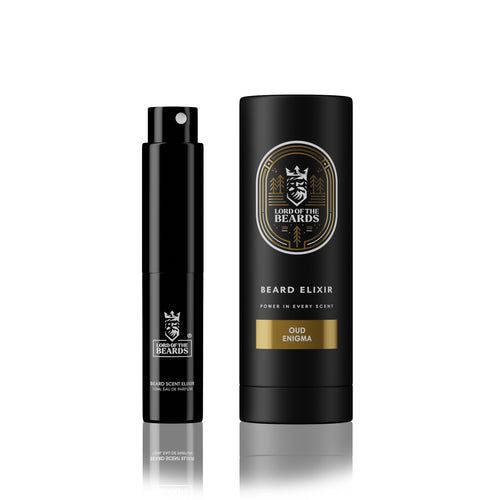
Fragrance oils, often listed as parfum or fragrance, allow a perfumer to build more complex and longer-lasting scent profiles. That is how a beard oil can carry the layered character of a sophisticated cologne rather than smelling like a single note. A smoky, resinous oud profile or a bright citrus-forest blend usually needs that level of composition.
For some men, fragrance is the reason to choose one beard oil over another. For others, sensitive skin means unscented or lightly scented is the smarter route. Neither choice is less masculine. The point is to wear something that feels right on your skin and right for your day.
Why fragrance allergens may appear on the label
You may notice names such as limonene, linalool, citral or geraniol listed after parfum. These are fragrance compounds that can occur naturally in essential oils or be present in fragrance compositions. Their appearance does not mean the oil is poor quality. It means the formula is being transparent about particular scent components that some people may react to.
If you have reactive skin, eczema, a known fragrance sensitivity or have had irritation from grooming products before, take this seriously. Patch test a small amount on your inner arm before applying it across your beard and neck. A commanding scent is only worth wearing when your skin is comfortable underneath it.
What a quality beard oil should not feel like
Beard oil is not meant to leave your beard dripping, greasy or stiff. If your hands feel slick for ten minutes after application, you may be using too much or the formula may be too heavy for your beard. A few drops should generally be enough for a shorter beard, while a longer beard may need several more.
It is also worth separating beard oil from beard balm. Oil is primarily about conditioning, softness and skin comfort, with a natural finish. Balm contains waxes or butters and offers more hold for shaping stray hairs. Many men use oil after showering and bring in balm when they want extra structure. One does not replace the other. They perform different jobs.
Be cautious of the idea that every synthetic ingredient is bad and every natural ingredient is automatically superior. Mineral oil, silicones and synthetic fragrance are not inherently harmful simply because they are synthetic, while a natural essential oil can still cause a reaction. Premium grooming is about considered formulation, sensible use and results you can feel, not empty claims on a label.
How to choose the right beard oil blend
Start with your beard, not the marketing. If your beard is short, fine or your skin becomes oily easily, look for lightweight carrier oils such as jojoba or grapeseed. If your beard is dense, coarse or feels dry after cleansing, a blend with argan, avocado or a little castor oil may give you more of the richness you need.
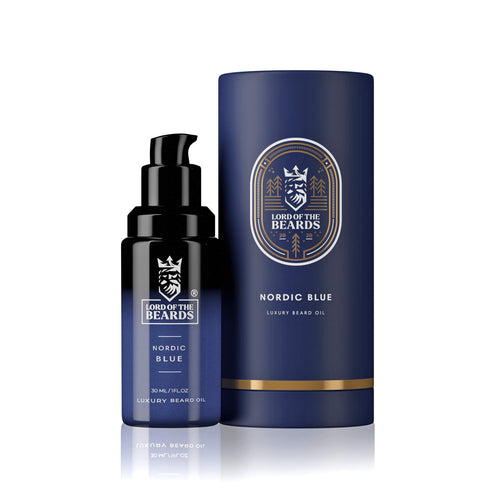
Then choose your scent like you would choose a fragrance. Fresh citrus and blue notes work well when you want sharp energy. Woods, oud and tobacco accords carry more depth for evenings, colder months or a stronger signature. The scent should add to your presence, not compete with every other fragrance you wear.
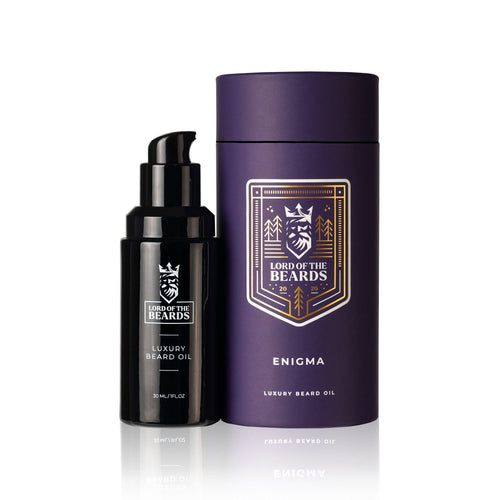
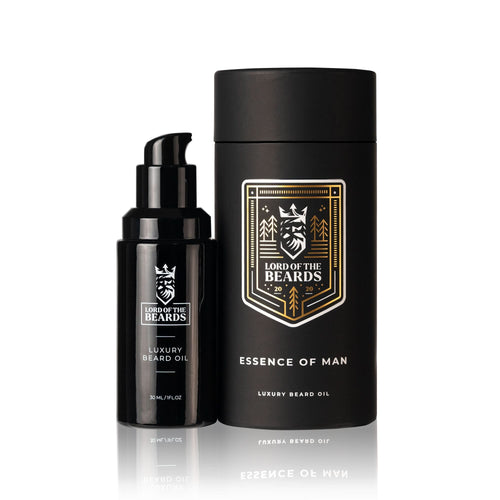
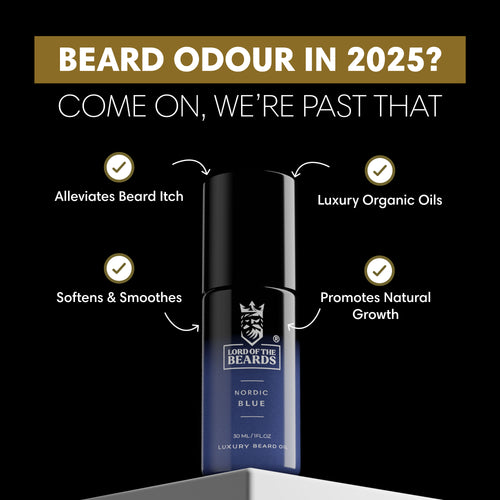
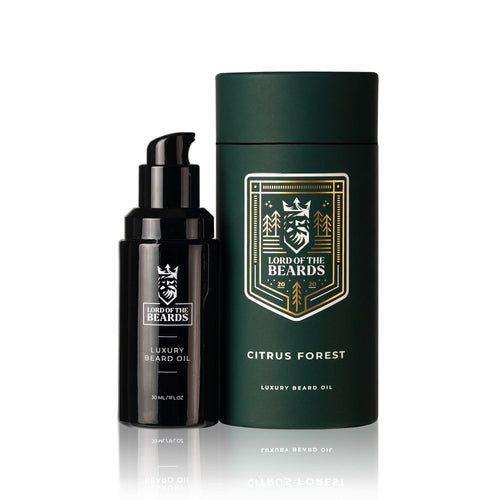
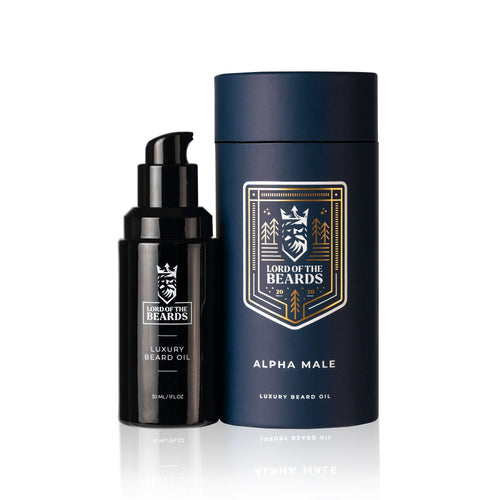
Lord of the Beards approaches beard oil as both conditioning and character: a daily essential with the confidence of a signature scent. That is the standard worth looking for. Your beard should feel softer, look intentional and smell like it belongs to a man who pays attention to detail.
The best bottle is not necessarily the one with the most ingredients. It is the one whose blend suits your skin, whose finish suits your beard, and whose fragrance makes applying it feel less like maintenance and more like stepping out properly prepared.