
Indulge in Luxury
A beard can be clean, soft and scented like a proper fragrance, then lose its authority the moment the wind lifts the sides. So, is beard balm good for styling? Yes - when you want a natural, fuller-looking beard with controlled shape rather than a stiff, heavily sculpted finish. It is the difference between looking like you have grown a beard and looking like you wear one with intention.
Beard balm brings together conditioning and control in one step. Used properly, it tames flyaways, gives the beard a more deliberate outline and adds a light, healthy-looking finish. The result should still move when you do. That matters. A great beard has presence, not the hard shell of a helmet.
Is beard balm good for styling long and short beards?
Beard balm earns its place in almost every grooming routine, but the result depends on your beard length, density and the style you are chasing.
For short beards and heavy stubble, balm is useful for softening coarse hairs and reducing the scruffy, uneven appearance that often appears around the jaw and cheeks. You may not need much hold at this stage, but a small amount helps direct hairs downwards and makes the beard look more substantial. Think polished shadow rather than a wild five o'clock shape.
For medium-length beards, balm is often at its best. This is the stage where hairs begin growing in different directions, the sides can puff out, and your beard needs more than oil alone to look intentional. A quality balm can guide the beard into a stronger silhouette, keep the neckline tidy between barber visits and prevent the dreaded triangular shape that makes the face look wider than it is.
Long beards benefit too, particularly when you want to control the outer layer and keep loose hairs from catching the light. But be realistic about what balm can deliver. It gives light to medium hold, not the firm control needed for a sharp, curled moustache or an elaborate beard competition shape. For those looks, beard wax is the stronger tool.
Density matters as much as length. A naturally thick beard may need balm to keep its mass under control, while a lighter beard can use it to create the appearance of more uniform coverage. The balm does not grow new hair, of course, but it can make the hair you have look more organised, conditioned and confident.
What beard balm actually does
The simplest way to understand beard balm is this: beard oil treats and nourishes, while balm adds a layer of shape and protection.
Most balms combine oils and butters with wax. The oils and butters condition the beard, helping it feel softer rather than dry or wiry. The wax provides the grip that keeps hairs moving in the direction you choose. That combination is why balm is so useful when a beard looks good just after washing but starts to expand by lunchtime.
A good balm can help you achieve three things at once: a smoother texture, fewer flyaways and a more defined shape. It can also create a subtle barrier against damp weather, which is no small victory during a British winter commute.
It is not a substitute for a trimmer, a beard brush or sensible maintenance. If the outline is overgrown, balm will not create a clean cheek line. If the beard is badly dry underneath, a little balm on top may improve the surface without fully addressing the skin. This is where beard oil remains the foundation of a serious routine, especially for men growing beyond short stubble.
Balm versus oil: use each for the right job
Beard oil is usually the first product to reach for after a shower. It is designed to condition both the beard hair and the skin underneath, helping reduce the tight, itchy feeling that can come with growth. It also gives your beard that softer, healthier look without adding much hold.
Beard balm has a different mission. It is for the morning when your beard needs to behave. If oil is the conditioning base layer, balm is the finishing move that sharpens the profile.
You can use either product on its own. Men with short beards or naturally obedient hair may be perfectly served by oil most days. Men with medium, long, coarse or unruly beards often get the best result by using both - oil for comfort and softness, then a modest amount of balm for control.
The catch is quantity. Too much oil can leave the beard overly shiny, while too much balm can make it feel coated or heavy. Premium grooming should look effortless, not announce itself with a greasy finish on your collar.
How to style your beard with balm
The method is straightforward, but the details make the difference between a natural finish and product sitting visibly on the hair.
Start with a clean, mostly dry beard
Apply balm after washing, once your beard is towel-dried or completely dry. Dripping wet hair dilutes the product and makes it harder to judge how much you need. If you use beard oil, apply it first and give it a minute to settle into the beard and skin.
Warm a small amount in your hands
For a short beard, begin with an amount no larger than a grain of rice. A medium beard may need a pea-sized amount, while a long or very thick beard might need slightly more. Scrape it out with the back of your thumbnail, then work it between your palms and fingertips until it melts into an even coating.
Do not attack the beard with a large scoop because you want instant control. Start small. You can always add more, but removing excess balm means washing and starting again.
Work it from the roots to the tips
Massage the balm through the beard with your fingers, reaching the hairs close to the skin before smoothing it across the outer surface. This prevents the product from merely coating the front while the underlying hair remains dry and unruly.
Take a moment around the moustache, corners of the mouth and jawline. These areas tend to develop their own agenda, particularly in a coarse beard.
Shape with a brush or comb
Use a beard brush to distribute balm through a shorter or medium beard and encourage a fuller, more unified look. For a longer beard, a comb gives greater control and helps you direct the hairs into clean lines. Brush or comb downwards first, then shape the sides gently towards the face if you want a leaner, more structured profile.
Avoid pressing the sides flat against the face unless that is deliberately your style. A little controlled volume creates a stronger beard. The goal is shape, not surrender.
Choose your hold based on the finish you want
Not every day calls for the same level of control. A softer balm suits an office day, a weekend lunch or any occasion when you want a touchable beard with a relaxed finish. A firmer balm is better for cold, wet weather, longer beards and men whose hair tends to spring outwards by mid-afternoon.
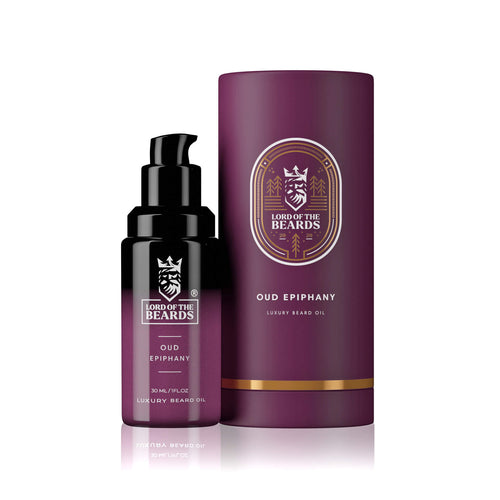
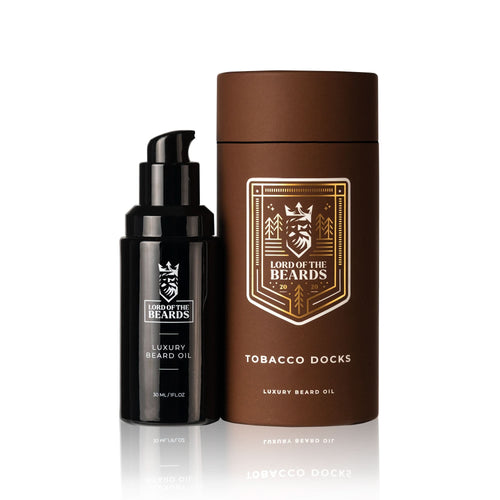
The fragrance matters too. Your beard sits directly beneath your nose, so the scent becomes part of your personal presence. A bland balm that smells faintly of wax may do the job, but it does not add much to the ritual. A refined scent profile can turn a practical styling step into the final layer of your grooming identity - warm oud for evening confidence, crisp citrus for a sharper daytime edge, or tobacco-inspired depth when you want something more commanding.
If you wear eau de parfum, choose beard balm with a scent that complements it rather than competes. Keep one fragrance lighter if the other is rich and long-lasting. Your beard should leave an impression when someone gets close, not arrive in the room before you do.
When beard balm is not enough
There are moments when balm is not the right answer. If your aim is a precision moustache curl, a highly defined goatee or a beard that must hold its exact shape through a long event, choose a dedicated moustache or beard wax. Wax has more grip and is built for firmer styling.
Likewise, if your beard feels rough, flaky or itchy at the roots, focus first on cleansing gently and using beard oil consistently. Styling over neglected skin is like polishing shoes with worn-out soles: it may improve the first impression, but it does not solve the real problem.
For beards that feel unmanageable no matter what you apply, check the basics. Regular trimming removes split, uneven ends. A decent brush trains the hair over time. And patience matters, especially during the awkward growth phase when your beard is finding its natural direction.
A well-chosen beard balm is not about forcing your beard into someone else's shape. It is about giving your own beard a stronger line, a softer feel and the kind of finish that holds its confidence from the first coffee to the last round. Keep the amount light, work it in properly, and let the scent and shape do their job.