
Indulge in Luxury
A strong beard can lose its edge the moment a handful of hairs start pointing in every direction. The answer to how to tame beard flyaways is rarely more force or more product. It is about giving your beard the right moisture, direction and hold - in that order - so it looks intentional from the first coffee to the last round.
Flyaways are especially common when you are growing length, dealing with wiry hairs around the cheeks, or stepping outside into the British cold and damp. They are not a sign that your beard is a lost cause. They are a sign it needs a better routine.
Why beard flyaways happen
Every beard has its own grain. Some hairs grow down, some outwards, and some appear determined to challenge the entire concept of grooming. As beard hair gets longer, the differences become more obvious. A single coarse or curly hair can sit away from the rest of the beard and spoil an otherwise clean outline.
Dryness is often the biggest culprit. Dehydrated beard hair becomes rigid, rough and harder to direct. Over-washing can make this worse, particularly if you use ordinary hair shampoo or wash your beard every day with a harsh cleanser. Hot water, central heating and regular towel-rubbing can also leave hair lifted and unruly.
Then there is technique. Applying balm to a dry, unbrushed beard and hoping for instant control is like putting cologne on before a shower. The product may smell good, but the order is wrong. Your beard needs to be softened and shaped before you ask it to hold a style.
How to tame beard flyaways with the right routine
The best routine is simple enough to repeat every morning. Consistency matters more than piling on products whenever your beard misbehaves.
Start with a clean, not stripped, beard
Wash your beard when it needs it, rather than scrubbing it aggressively out of habit. For most men, a dedicated beard wash two or three times a week is plenty, with a rinse after workouts or messy meals as needed. A proper beard shampoo removes daily build-up without leaving the hair and skin underneath feeling squeaky, tight or brittle.
Use lukewarm water rather than scorching hot water. Once you have rinsed, pat your beard dry with a towel. Do not rub it roughly. Friction pushes hairs in random directions and creates the very flyaways you are trying to control.
Your beard should be slightly damp before the next step, not dripping wet. That small amount of moisture helps oil spread evenly and makes the hair more responsive to brushing.
Use beard oil before beard balm
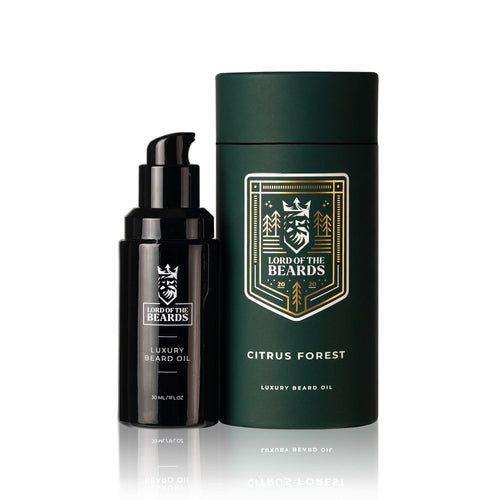
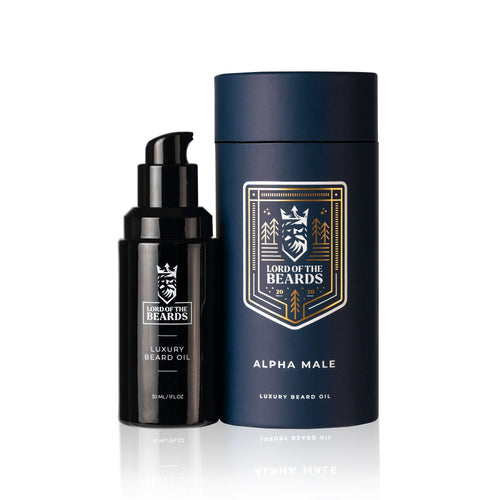
Beard oil is your foundation. It softens coarse hair, conditions the skin beneath and gives a beard a healthier, more controlled finish without stiffness. Warm a few drops between your palms, work it through the beard from the skin outwards, then use your fingers to pull the hair into its natural shape.
How much you need depends on length and density. A short beard may only need two or three drops, while a fuller beard may need five or more. The goal is a lightweight, conditioned feel, not a greasy shine that could be spotted across the room.
Give the oil a minute to settle, then apply beard balm if your flyaways need more authority. Balm offers structure because it usually contains waxes and butters that help keep hairs together. Take a small amount, soften it fully between your palms, and press it through the outer layer of your beard. Focus on the cheek line, jaw and sides where stray hairs tend to announce themselves first.
Oil brings softness. Balm provides control. Used together, they turn a dry, scattered beard into one that looks deliberately groomed while still moving naturally.
Brush it in the direction you want it to stay
A quality beard brush is not an optional extra for men with medium or long beards. It spreads oil and balm more evenly, separates clumped hairs and trains the beard to sit in one direction. Start near the cheeks and brush downwards and slightly in towards the jaw. Under the chin, brush the hair forward first, then down, to create a fuller and neater profile.
Do not attack your beard with fast, aggressive strokes. Brush with purpose. If you have a particularly stubborn patch, hold the hair in place with your hand for a few seconds after brushing. Repeated daily, this small habit can make a real difference to the way your beard lies.
For shorter beards, a bristle brush gives excellent control. For longer, thicker or curlier growth, use a comb after brushing to define the shape and deal with individual hairs. A wide-tooth comb is often kinder to dense beards than a fine one, which can snag and create unwanted volume.
Add gentle heat when your beard has a mind of its own
If your beard is naturally curly, very coarse or growing in several directions, gentle heat can help reset it. Use a hairdryer on a low or medium setting while brushing in the direction you want. Keep the dryer moving and avoid holding it close to one area. The aim is to guide the hair, not cook it.
Finish with a cool blast if your dryer has one. This helps the hair settle into its new position. Apply your balm afterwards for the hold that keeps the shape in place.
Heated beard brushes and straighteners can be useful for longer beards, but they are not essential and they are easy to overuse. Too much heat can leave hair dry and more prone to flyaways over time. If you use one, keep the temperature moderate, make a single slow pass, and always apply a conditioning oil as part of your routine.
Do not trim every stray hair immediately
The temptation is understandable. You spot one rebellious hair, reach for the scissors and remove it with extreme prejudice. But trimming individual flyaways can quickly create a patchy, uneven finish, especially around the cheeks and neckline.
First, try oil, balm, brushing and a little warmth. If the hair still refuses to sit down after several days of consistent grooming, then trim it carefully with beard scissors. Make the cut within the broader shape of your beard, not at random. One hair may be awkward because it is in a transition phase, and cutting it too short can make it stick out even more when it regrows.
A professional tidy-up is worth considering if flyaways are really an issue of shape rather than texture. A barber can remove bulk in the right places and set a line that is easier to maintain at home.
Check the habits that create more flyaways
Your beard routine can be excellent in the morning and still lose the battle by lunch if your daily habits work against it. Sleeping with a dry beard, repeatedly touching it, pulling at it while thinking, or rubbing it into a scarf all disturb the shape. Keep a small comb handy if you travel, but resist the urge to constantly fiddle.
The weather matters too. Wind can lift hairs, while humidity can make curly beards expand. On wet, windy days, use a touch more balm than usual and keep your finish natural rather than heavily sculpted. A beard that is slightly flexible will recover better than one set hard with too much wax.
Diet, hydration and skin condition also show up in your beard over time. You do not need a complicated regime, but regular water, decent sleep and balanced meals support healthier hair growth. If the skin under your beard is flaky or irritated, address that as well. Healthy skin creates a better environment for a beard that feels softer and behaves better.
Build control into your signature routine
A well-kept beard should not look shellacked into submission. It should look full, soft and purposeful, with a shape that holds when you turn your head or step into the wind. That is the difference between using product and actually grooming.
Choose an oil with a scent you want close to your skin all day, then pair it with a balm that gives your beard the discipline it needs. Lord of the Beards makes that daily moment feel less like maintenance and more like putting on your signature scent before you take charge of the day.
Give your beard a week of consistent washing, oiling, brushing and light hold before judging the results. Those stray hairs have spent months growing their own way. Train them properly, and they will start working for your shape rather than against it.