
Indulge in Luxury
Beard waves can make an ordinary beard look deliberately styled: fuller at the jaw, cleaner through the cheeks and far more distinctive in profile. Knowing how to style beard waves is not about forcing every hair into submission. It is about working with your beard’s natural grain, adding controlled texture and giving it enough hold to keep its shape from the morning commute to last orders.
A well-styled wavy beard has movement, but it does not look messy. It feels soft rather than stiff, carries a refined scent close to the skin, and frames your face with purpose. Get the routine right and those waves become part of your signature look.
Start With a Beard That Is Ready to Style
Waves show best when there is enough length for the hair to bend and settle. For most men, that means at least three to four weeks of growth, though coarse or naturally curly beards may show texture much sooner. A very short beard can be shaped, but it will not hold a visible wave pattern for long.
Cleanliness matters just as much as length. Product build-up, dry skin and excess grime make beard hairs clump in the wrong places. Wash your beard two or three times a week with a proper beard shampoo, not harsh body wash or standard hair shampoo. The aim is a clean base without stripping away the natural oils that keep coarse facial hair flexible.
After washing, pat the beard dry with a towel. Do not rub it aggressively. Rough drying creates frizz, disrupts the direction of the hairs and can leave the ends looking wiry. Style while the beard is slightly damp, not dripping wet. That small amount of moisture gives you more control as the hairs dry into place.
How to Style Beard Waves With Oil and a Brush
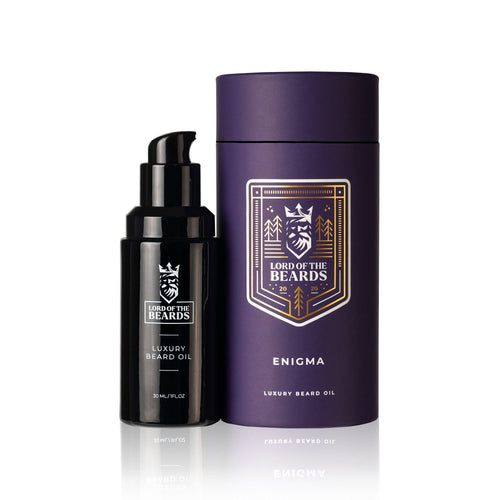
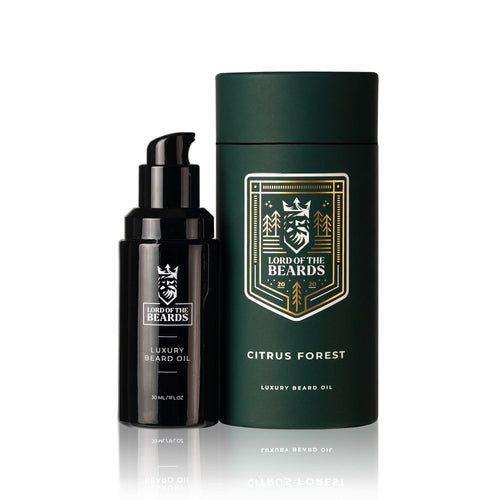
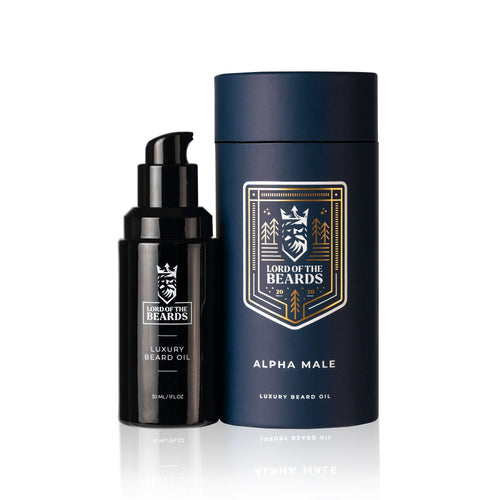
Beard oil is where your wave routine begins. A dry beard fights the brush and expands into untidy volume. A lightweight oil softens the hair, reduces friction and helps the wave sit with a natural, healthy-looking sheen rather than a greasy finish.
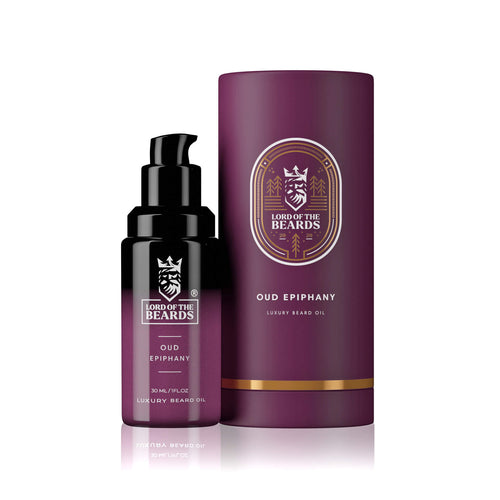
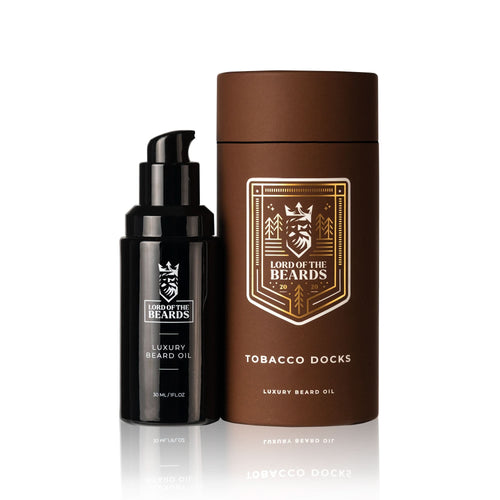
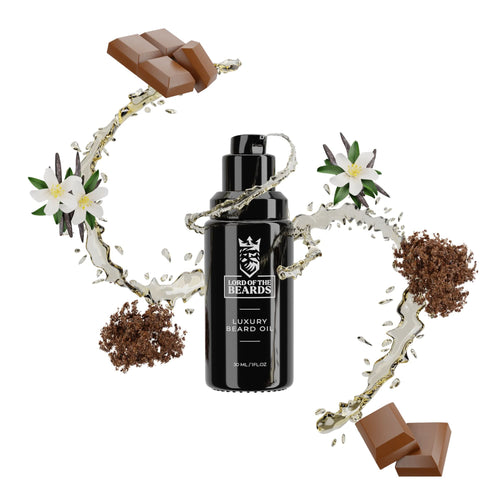
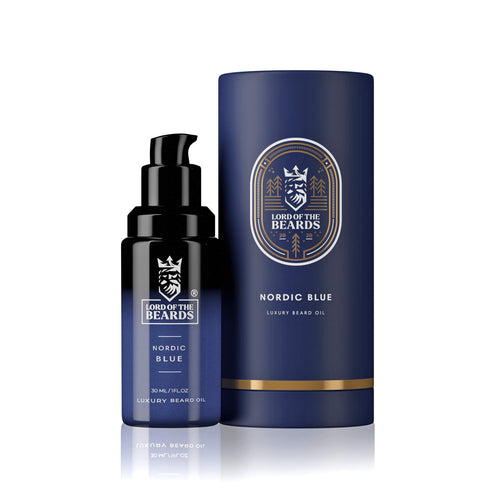
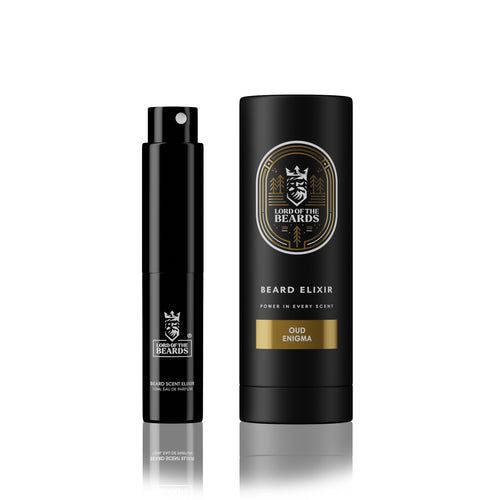
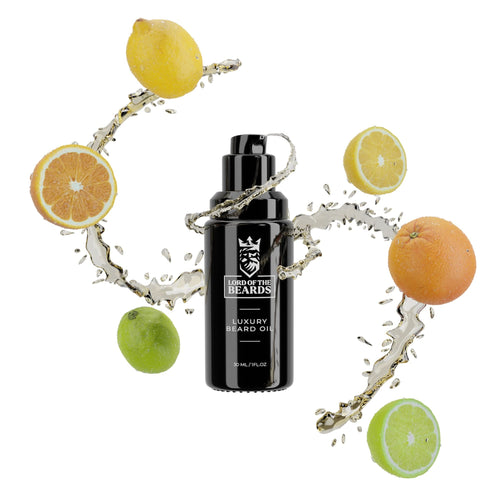
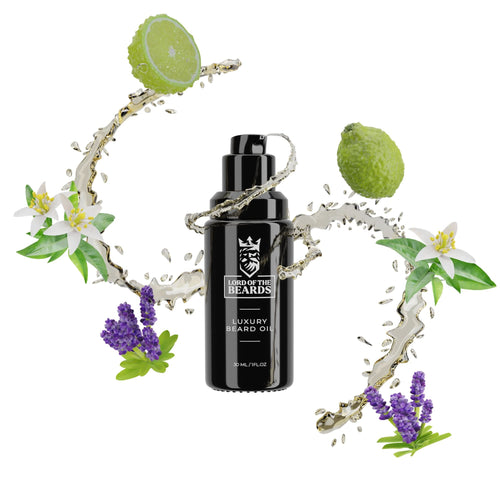
Use two to four drops for a short to medium beard, then add more only if your beard is long, dense or particularly dry. Warm the oil between your palms before pressing it into the beard, starting at the skin beneath it. Work outwards through the lengths, then use your fingertips to separate any heavy sections. This is also the moment to enjoy the scent. Choose something with presence, whether that means the dark, smoky character of oud or tobacco, a crisp citrus edge, or a cooler blue fragrance that feels sharp after a shower.
Next, take a quality beard brush and brush in the direction you want the hair to sit. Start at the sideburns and move down towards the jaw. Under the chin, brush forward and slightly down before guiding the longer hairs back into the shape you want. This prevents the familiar under-chin puff that can make even a good beard look unkempt.
For visible beard waves, use short, curved strokes rather than dragging the brush straight through. On the cheeks, guide the hair down and slightly towards the mouth. Along the jaw, brush downwards and backwards in a gentle arc. Repeat the same motion several times. Consistency trains the hairs over time, particularly if you style them at the same point each morning.
A boar-bristle beard brush is ideal for distributing oil and creating a neat surface. If your beard is long, thick or curly, use a wide-tooth beard comb first to remove knots, then finish with the brush. Trying to force a brush through a tangled beard is a quick route to breakage and a rougher finish.
Add Balm When Your Waves Need More Authority
Oil conditions and softens. Beard balm adds shape. If your waves fall flat by lunchtime, flare out at the sides or lose definition in damp British weather, balm is the difference between relaxed texture and a beard that looks like it has given up.
Scrape out a small amount, warm it fully between your fingers and work it through the outer layer of the beard. Start sparingly. Too much balm can weigh down a finer beard and turn natural waves into clumps. You should still be able to run your fingers through the beard without finding a waxy residue.
Once the balm is in, repeat your curved brushing pattern. Focus on the areas that need steering: the cheek line, jaw corners and the bulk below the chin. For a stronger, more sculpted look, pinch small sections between your thumb and finger, then twist them lightly in the direction of the natural wave. Do not create tight coils unless that is your intended style. The best beard waves look effortless because they retain some variation.
If your beard is naturally straight, balm can create soft bends but not permanent waves. Heat and repeated direction-setting can help, yet the goal should be texture and shape rather than trying to imitate a beard type you do not have. A clean, fuller straight beard with subtle movement will always look better than stiff, overworked curls.
Use Gentle Heat for More Defined Texture
A beard dryer can improve definition, especially on medium and long beards. Use it on a low or medium setting, keep it moving, and direct the airflow in the same direction as your brush strokes. High heat may give you temporary control, but it can dry out the beard and leave the ends brittle.
Brush the beard into your chosen wave pattern while drying. As a rule, dry the roots first for control, then move through the mid-lengths and ends. Finish with a cool blast if your dryer has one. It helps the beard settle and reduces the fluffy look that can appear after heat styling.
Heat is useful, not compulsory. If your beard is naturally wavy, regular oil, balm and brushing may give you all the definition you need. If it is particularly coarse, a dryer can save time and give the beard a more polished finish before work, a date or a big night out.
Shape the Lines Without Killing the Waves
A sharp outline makes beard waves look intentional. Keep the cheek line natural but tidy, removing only the stray hairs above the main growth. A line cut too low can make the beard look thinner and more artificial, especially when the hair has visible texture.
At the neckline, aim for a curve that sits roughly one to two fingers above your Adam’s apple, depending on your face shape and beard length. Leave enough weight under the jaw to support the waves. Taking the neckline too high removes the density that gives a wavy beard its strong silhouette.
Trim the longest rogue hairs after styling, not before. Waves change the apparent length of the beard, and cutting it dry before you have brushed it into position can leave uneven patches. Use beard scissors for small corrections. Clippers are better for maintaining the outline, but they can remove too much too quickly.
Match Your Wave Style to Your Face Shape
Men with round faces usually benefit from more length beneath the chin and tighter sides. Guide the waves downwards under the jaw to create a longer, more commanding profile. If your face is long or narrow, keep more volume through the sides and avoid over-extending the beard at the chin.
For square faces, softer waves around the jaw can complement strong angles without making the whole look too blocky. Oval faces have the most freedom: a balanced medium-length beard with gentle cheek-to-jaw waves is hard to beat. The right style is not about rules carved in stone. It is about creating proportion, then wearing it with confidence.
The Habits That Keep Beard Waves Looking Good
Your beard will not hold its best shape if you only style it when you are heading somewhere special. A few minutes each day trains the direction of the hair and makes the routine faster over time. Wash moderately, condition with oil daily if your beard needs it, use balm when hold is required, and brush with purpose.
Avoid touching your beard all day. Hands carry oil and dirt, and constant pulling breaks up the wave pattern you built in the morning. If the beard loses shape, use damp hands to lightly reset the surface, then smooth a tiny amount of balm over the problem area.
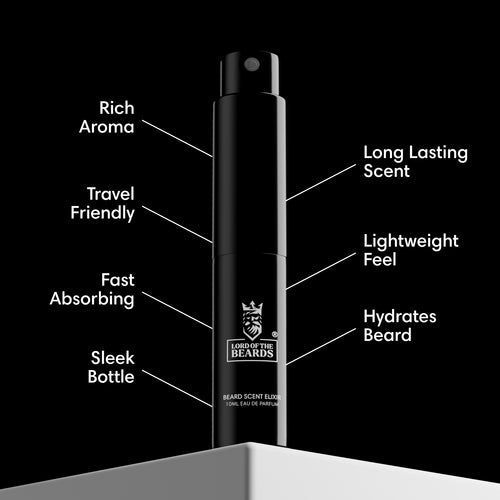
For a grooming ritual that feels as considered as the rest of your style, Lord of the Beards pairs that controlled finish with fragrance that stays close and confident. Your beard should not just look sharp when you leave the house. It should still feel worthy of a second glance when the day is done.