
Indulge in Luxury
Your beard can look full, well-shaped and properly maintained from a distance, yet still feel like wire at the tips. Those rough ends catch on collars, scrape against your skin and make the whole beard appear less polished. Knowing how to soften beard ends is what takes your routine from basic maintenance to a beard that looks sharp, feels smooth and carries your signature scent with confidence.
The answer is not to drown it in product or reach for the trimmer every other day. Soft ends come from treating the beard hair, the skin beneath it and the shape of the beard as one system. Get that right and even a fuller, more rugged beard can feel refined.
Why beard ends become hard and dry
Beard hair is naturally tougher than the hair on your head. It is thicker, often wirier, and exposed to more daily punishment. Hot showers, face wash, central heating, cold weather, friction from scarves and constant touching all strip away the natural oils that keep the shaft flexible.
The oldest part of every beard hair is the end. It has endured the most washing, brushing and weather, so it is usually the first place to become dry, frayed or brittle. Curly and coarse beards can feel particularly stubborn because their natural oils struggle to travel all the way down the hair shaft.
There is also a difference between firm texture and damaged texture. A strong beard does not need to feel soft like scalp hair. The aim is a beard that has body and presence but bends without scratching, snagging or looking puffed out at the edges.
How to soften beard ends with a better daily routine
The most effective routine is simple: cleanse without stripping, apply moisture while the beard is slightly damp, then protect the shape. Consistency matters far more than using a shelf full of products once a week.
Wash less aggressively
A beard that feels dry at the ends is often being over-washed. Daily shower gel, standard shampoo or harsh face cleansers can leave hair squeaky clean - and that is not a good sign. That squeak usually means the oils that give your beard flexibility have been removed.
Use a beard shampoo two or three times a week, adjusting if you work out heavily, work in a dusty environment or use styling products every day. On non-wash days, rinse with lukewarm water if needed. Keep the water warm rather than scorching. Very hot water feels good in the moment but can leave both your skin and beard feeling parched afterwards.
When washing, work the cleanser into the skin under the beard with your fingertips. Rinse thoroughly, then press the beard gently with a clean towel. Do not rub it hard. Rough towel-drying lifts the outer layer of the hair and creates more frizz at the very ends.
Apply beard oil while it is still slightly damp
This is the move most men miss. Beard oil performs best when the beard is towel-damp, not dripping wet and not completely dry. A little remaining moisture helps the oil spread evenly and leaves the hair feeling supple rather than coated.
Start with a few drops for a short beard and use more for a longer or denser one. Rub the oil between your palms, then work it from the skin outward. Get your fingers underneath first, because healthy skin supports a better-looking beard. Finish by gliding what remains over the ends, where dryness tends to show first.
Give the oil a minute to settle before brushing. The right formula should feel lightweight and non-greasy, leaving your beard touchably soft rather than shiny or limp. It also gives your routine another level of presence. A well-chosen scent can sit close like a refined cologne, whether you favour dark oud, fresh citrus or a warmer tobacco-led finish.
Seal the ends with beard balm when needed
Oil softens and conditions. Beard balm adds hold, protection and definition. If your beard ends flare out, feel rough by lunchtime or lose their shape in damp British weather, a small amount of balm after oil can make a noticeable difference.
Warm a pea-sized amount between your palms until it melts, then smooth it through the lower half of the beard and over the tips. Use your hands first to set the direction, then a beard brush or comb to refine it. This helps keep moisture where it belongs while giving the beard a cleaner outline.
Not every beard needs balm every day. Short beards may only need oil, while medium and longer beards often benefit from balm on workdays, evenings out or whenever a sharper finish matters. If your beard feels heavy or waxy, reduce the amount rather than abandoning balm altogether.
Brush with purpose, not aggression
A quality beard brush distributes oil from root to tip and trains stray hairs to sit in the right direction. That alone can make rough ends appear smoother. But over-brushing, especially on a dry beard, creates friction and can make the tips look fluffy.
Brush after applying oil or balm, using slow strokes that follow your intended shape. For a fuller beard, brush down from the cheeks and then slightly forward at the chin to build a strong, natural profile. A comb is useful for detangling longer beards, but do not force it through knots. Hold the hair above the snag and work from the ends upward in small sections.
The goal is control, not punishment. A beard brush is a finishing tool, not a sanding block.
Trim damage, not length
If the ends are split, pale, permanently kinked or still feel scratchy after conditioning, no product can fully repair them. That is when a small trim earns its place. Removing just a few millimetres can transform how the beard feels without sacrificing the shape you have worked to grow.
Trim when the beard is dry and styled as you normally wear it. Wet hair contracts as it dries, which makes it far too easy to take off more than planned. Use sharp beard scissors and inspect the outline in good light. Snip only the visibly damaged or uneven hairs, particularly around the chin and lower edges.
Avoid the temptation to trim every rough-feeling hair individually. A few naturally coarse hairs are normal. Chase every imperfection and you can quickly create a thin, uneven line. If you are growing length, a light clean-up every six to eight weeks is usually enough. If you keep a short, sculpted beard, more regular shaping may suit you better.
Common habits that keep beard ends rough
The fastest way to undo a good routine is using products designed for the wrong job. Standard hair gel can leave beard ends stiff. Heavy wax can build up and make the beard feel dry underneath. Alcohol-heavy aftershave applied directly through the beard may irritate the skin and contribute to that brittle feeling.
Watch the small habits too. Twisting the ends while thinking, sleeping with product build-up in the beard, or drying it with a hairdryer on maximum heat all take their toll. If you use a dryer, choose a low heat setting and keep it moving. Finish with a cool blast to help settle the beard into place.
Diet and hydration play a supporting role, but they are not a shortcut. Drinking more water will not mend split ends overnight. It can, however, support healthier skin and hair over time alongside a disciplined grooming routine.
When soft ends are not the only issue
If your beard is persistently dry from root to tip, flaky underneath or itchy despite using oil, the issue may be irritated skin, product build-up or a cleanser that is too harsh. Strip the routine back for a week: use a gentle beard wash, rinse thoroughly, apply a modest amount of oil and avoid piling on styling products.
If redness, soreness or persistent flaking continues, speak to a pharmacist or GP. Grooming products can elevate a beard, but they should not mask an ongoing skin problem.
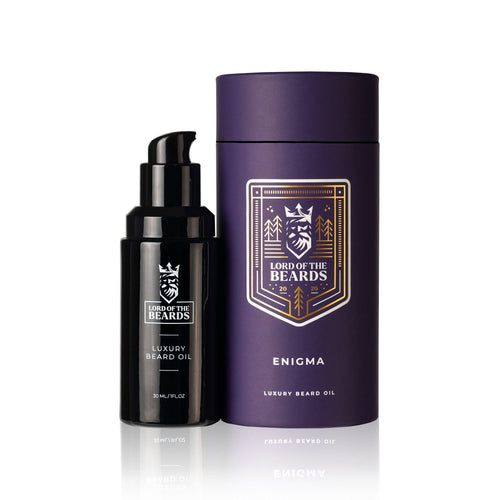
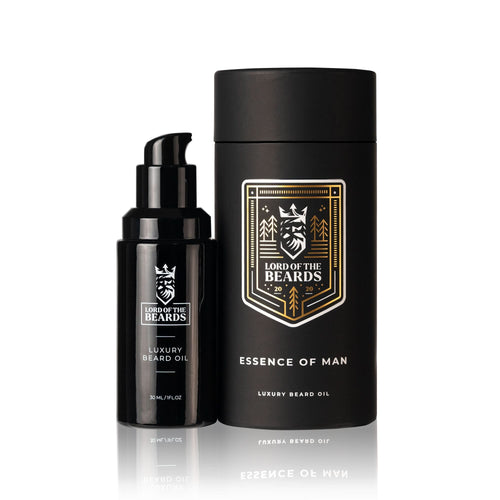
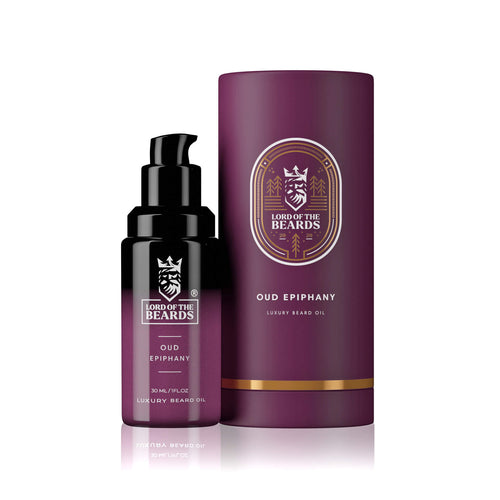
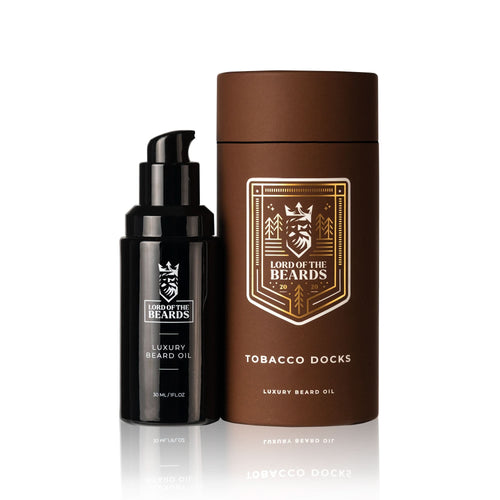
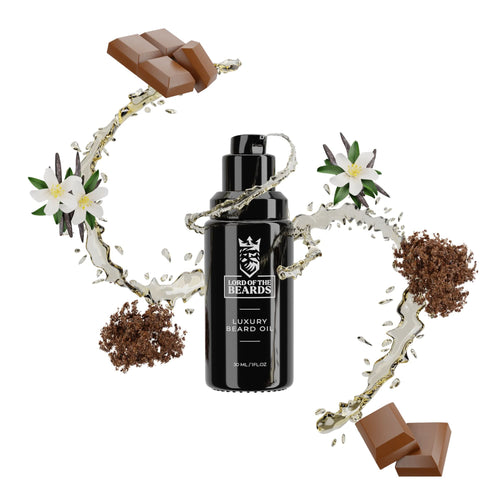
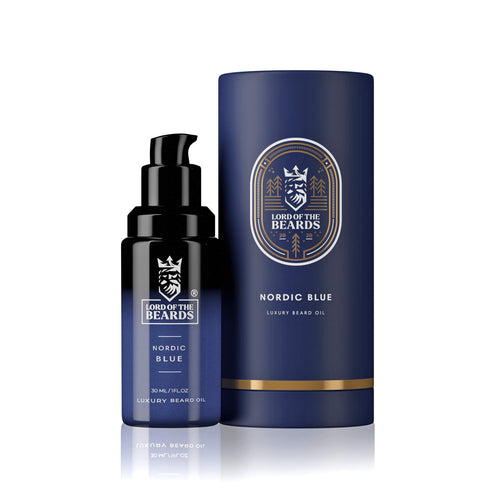
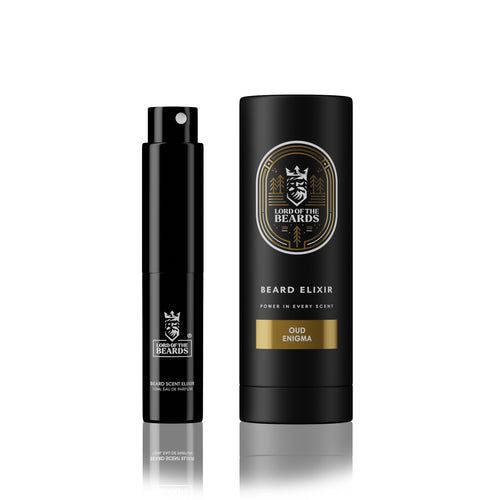
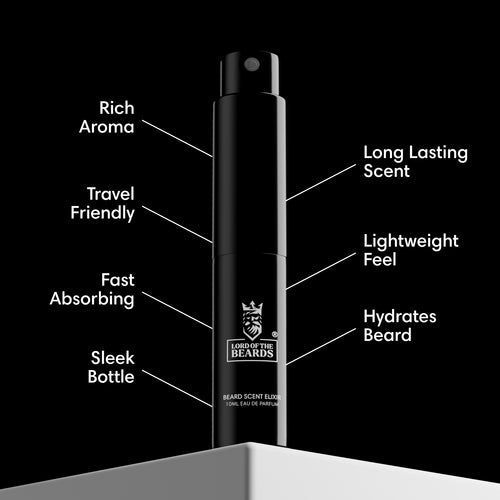
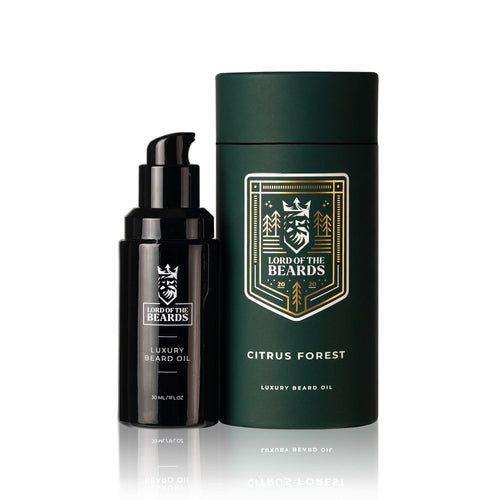
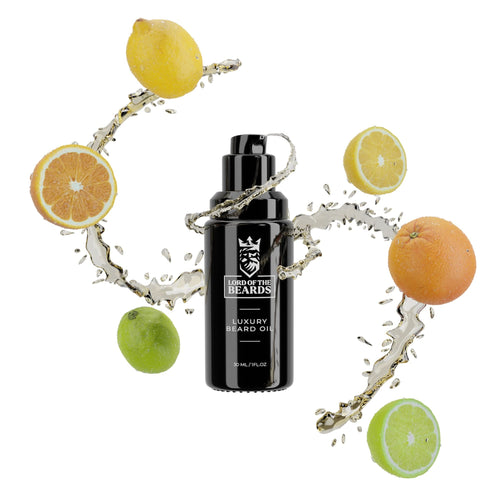
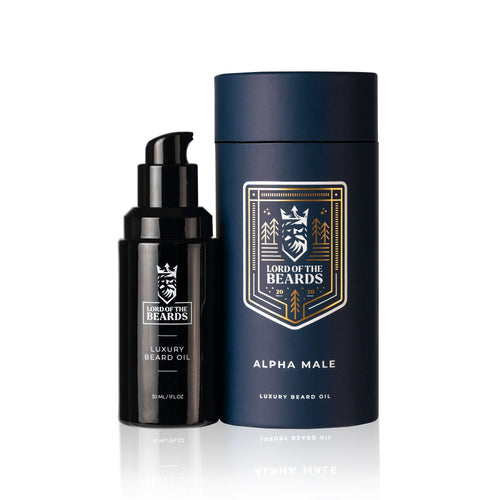
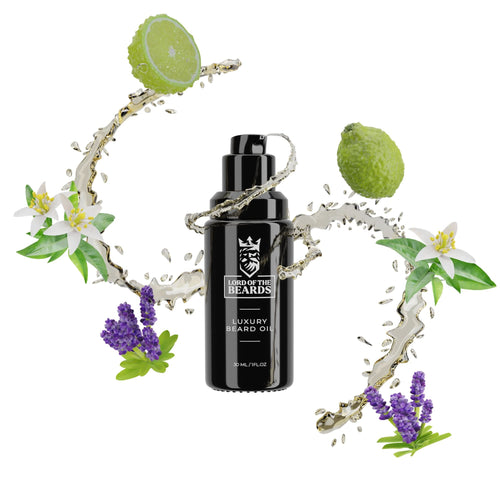
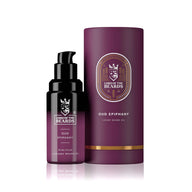
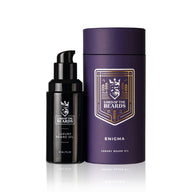
For a beard that needs a more premium finish, Lord of the Beards beard oil can bring conditioning and a distinctive fragrance into the same morning ritual. Work it into a slightly damp beard, take a moment to shape the ends, and let the scent do the talking long after you have left the bathroom.
A soft beard does not have to lose its edge. Keep the wash gentle, condition the beard before it dries out, trim only what cannot be saved and use balm where control is required. Your ends will feel better, sit cleaner and look like they belong to a man who has his grooming handled.