
Indulge in Luxury
Your beard can be thick, soft and carrying a scent that turns heads, but a neglected neckline will still make the whole look feel unfinished. Knowing how to groom beard neckline properly is what separates deliberate grooming from simply letting facial hair grow. Get it right and your jaw looks stronger, your beard looks denser, and your profile carries far more presence.
The goal is not to carve a harsh, artificial curve beneath your chin. It is to create a clean boundary that looks natural from every angle. Think tailored, not overworked.
Find the Right Beard Neckline Before You Trim
The most common mistake is taking the neckline too high. This leaves a narrow strip of beard clinging to the jaw and gives even a full beard a weak, floating appearance. The second mistake is doing nothing at all, allowing neck hair to creep down towards the collar and blur the structure of your face.
A reliable starting point is the two-finger rule. Place two fingers horizontally above your Adam's apple. The point just above them is usually the lowest part of your neckline. From there, imagine a soft U-shaped curve running up towards the back corners of each jaw.
That curve should sit higher at the sides and dip gently in the centre. It follows the natural architecture of your face without looking like it has been drawn on with a ruler. If you have a short beard, err slightly higher and keep the line crisp. With a medium or long beard, leave more depth under the chin. That extra coverage creates a fuller, more powerful silhouette.
Your face shape matters too. Men with rounder faces often benefit from a slightly lower, less rounded neckline, which adds length and definition. If your face is long or narrow, avoid dropping the line too far down your neck, as this can make your beard look stretched. A strong beard should balance the face, not compete with it.
What You Need for a Clean Neckline
You do not need a barber's full kit, but blunt or dirty tools will make a clean line harder to achieve. Use a beard trimmer with adjustable guards for bulk, plus either a precision trimmer, detailer or fresh razor for the final edge. A well-lit mirror is non-negotiable. A second handheld mirror is useful if you want to check how the line rises behind each jaw.
Start with a clean, dry beard. Wet hairs lie differently and can spring back once dry, which means a line that looked even at the sink can suddenly look crooked later. Wash away product build-up first, towel-dry thoroughly, then comb or brush the beard in its natural direction.
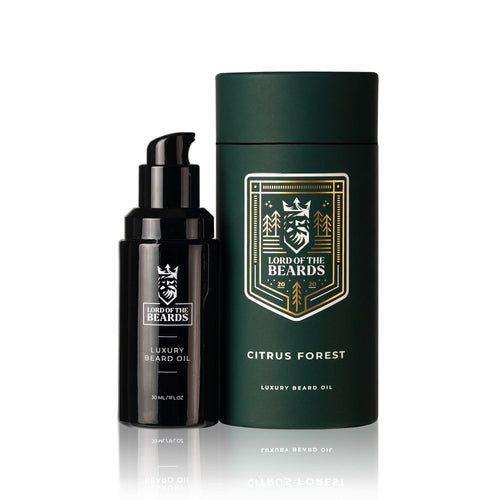
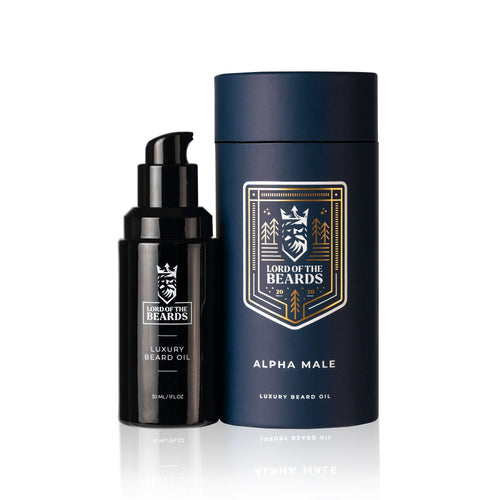
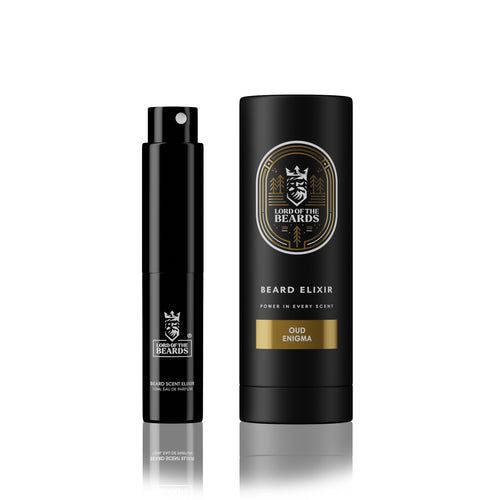
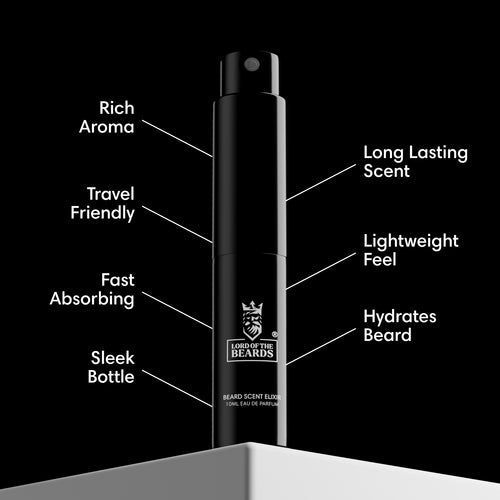
If your beard tends to sit flat or feels coarse, work in a small amount of beard oil after trimming and cleansing, not before the initial outline. A lightweight oil softens the hair and conditions the skin beneath, while a distinctive scent gives the finished routine the same confidence as a good cologne. The shape catches the eye; the scent leaves the impression.
How to Groom Beard Neckline Step by Step
Start by reducing the bulk
If the hair on your neck is long, do not attack it immediately with a bare blade. Use your trimmer with a longer guard to take down the bulk below your intended neckline. This makes the final line much easier to see and reduces tugging.
Work slowly from the bottom of the neck upwards, stopping before you reach the guide you mapped out. You are clearing the territory below the line, not shortening the beard itself.
Mark a soft centre point
Look straight ahead, not down into the mirror. Lifting your chin changes the skin and can cause you to trim too high. Find the point above your Adam's apple where the neckline will be lowest, then lightly clear a small area beneath it with your precision trimmer.
From that centre point, work outwards in short strokes towards one jaw, then repeat on the other side. Step back after every few passes. Symmetry is judged from a normal distance, not with your nose against the mirror.
Build the curve, not a straight bar
A beard neckline is rarely flattering when it runs as one flat horizontal line across the neck. Instead, allow it to rise subtly as it travels towards the jaw. Keep your hand light and make small adjustments. You can always remove another millimetre; putting it back takes several days.
When you reach the area beneath each jaw, blend the curve into the natural edge of the beard. This is where many home trims go wrong. One side can climb higher than the other, especially if you turn your head too far. Keep your head level and compare both sides regularly.
Refine the edge with care
Once the shape is established, use a detail trimmer or razor to remove the remaining stubble below it. Pull the skin gently taut with your free hand and use short, controlled strokes. A precision trimmer gives a slightly softer finish and suits men prone to irritation. A razor produces a sharper line, but only if your skin tolerates close shaving.
Do not chase every single hair above the line. Natural beards have variation. Trying to create a laser-perfect edge can quickly push the neckline too high or leave it looking severe. Clean, balanced and intentional beats aggressively sculpted.
The Angle Test Most Men Skip
Your front-facing mirror view is only part of the job. Turn your head left and right, then look down slightly and check your profile. The neckline should rise cleanly from under the chin into the jaw without obvious steps, corners or patches of missed hair.
Also check it in daylight if possible. Bathroom lighting can hide unevenness, while natural light makes a stray dark patch under the jaw more obvious. This takes less than a minute and prevents the frustrating moment when you spot an uneven line later in a shop window or video call.
If you wear your beard short, maintain the neckline every two to four days. A heavier beard can usually go five to seven days before the edge begins to lose definition. Growth speed, skin sensitivity and your preferred finish all play a part. There is no prize for shaving daily if your neck becomes red and irritated.
Keep the Skin Under Your Beard Looking Sharp
A clean outline draws attention to the skin directly beneath it, so treat that area properly. Rinse away clipped hairs, pat the skin dry and use a soothing, non-greasy moisturiser or a few drops of beard oil through the beard itself. Massage it down to the skin under the chin, where dryness and itch often start.
For the beard, distribute oil with your palms and finish with a brush or comb. This helps the hair sit in the direction you want, making the neckline appear cleaner for longer. A beard balm can add a little more control if your beard is wiry or your jawline needs help holding its shape.
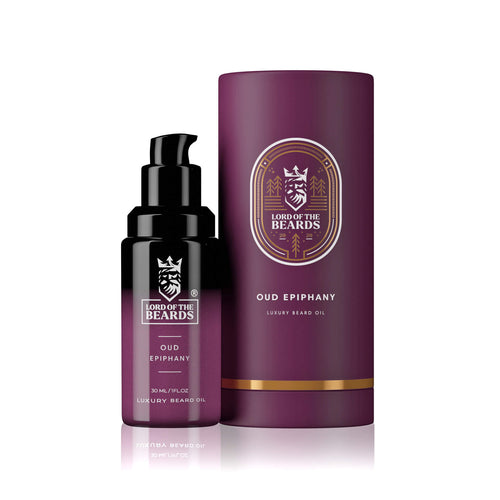
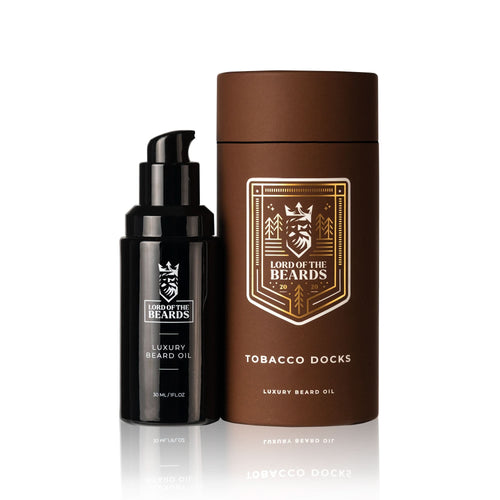
Fragrance matters here as well. A refined beard is a close-range statement, and a premium scent should feel intentional rather than overpowering. Choose something that fits your mood and the occasion: smoky oud for evening presence, fresh citrus for a sharper daytime edge, or tobacco and woods when you want depth without shouting.
Beard Neckline Mistakes That Cost You Length
Over-trimming is the big one. A high neckline may look tidy immediately, but it robs the beard of the density that makes it look substantial. Give yourself room below the jaw, especially while growing a fuller beard.
Another mistake is shaping around a double chin by cutting the line high. This often has the opposite effect, exposing more of the area you are trying to minimise. A lower, gentle curve usually creates a cleaner transition and makes the beard feel more grounded.
Finally, do not reshape the neckline every time you trim the cheeks or moustache. Treat it as a boundary to maintain, not a new creative project each week. Consistency is what makes a beard look expensive.
A sharp neckline is quiet proof that you pay attention to the details. Take your time, keep the curve natural, and let the finished beard do what it should: frame your face, carry your signature scent and walk into the room before you say a word.