

 30-day money-back guarantee

Indulge in Luxury
That beard felt sharp by lunchtime again, didn't it? If you're searching for how to fix rough beard texture, the answer usually is not growing more beard or throwing random products at it. Roughness is nearly always a routine problem - too dry, too stripped, badly brushed, or sealed with the wrong product.
A beard should feel strong, not wiry like a scrubbing brush. When texture turns coarse, scratchy and hard to manage, it affects more than comfort. Your beard sits on your face all day. It shapes how polished you look, how clean your lines appear, and how confident you feel at close range. The good news is that rough texture can usually be corrected within days if you stop doing what is drying it out and start feeding it properly.
How to fix rough beard texture at the root
Rough texture starts with dryness, but not always for the reason most men think. The beard hair itself gets less natural oil than the hair on your scalp because facial hair is coarser and grows away from the skin at awkward angles. Once your beard gets longer, those natural oils struggle to coat the full hair shaft. The result is dry mid-lengths, brittle ends and a beard that feels far older than it looks.
Then routine mistakes make it worse. Hot showers strip moisture. Harsh face wash dries the skin under the beard. Overwashing lifts away what little oil you had. A cheap shampoo can leave the beard squeaking clean, which sounds good until it starts feeling rough by the afternoon. Even weather plays a part. Cold wind, indoor heating and hard water can all leave the beard dull and thirsty.
Texture also depends on beard type. Thick, curly or dense beards tend to feel rougher if neglected because the hair is naturally more textured. Short stubble can feel rough because the cut ends are blunt. Longer beards often feel coarse because the ends are old, dry and splitting. So yes, it depends on your beard length and pattern, but dryness is still the usual villain.
Start with washing less aggressively
If your beard feels rough, your first move is often to wash it better by washing it less harshly. That means using a proper beard shampoo rather than standard hair shampoo or a face cleanser. Beard-specific formulas are made to clean without stripping every trace of oil from the skin and hair.
You do not need to lather your beard twice a day. For most men, two to four washes a week is enough, with a good rinse on other days if needed. If you train, sweat heavily, or work in dusty conditions, you may need more frequent washing, but keep the cleanser gentle. The goal is a clean beard with life in it, not a beard that feels chemically stripped.
Water temperature matters as well. Very hot water opens the cuticle and encourages dryness. Lukewarm water is the smarter play. It cleans effectively without leaving the beard frazzled.
Beard oil is the quickest texture upgrade
If you want the fastest answer to how to fix rough beard texture, start with beard oil and use it properly. Not once in a while. Daily.
A quality beard oil softens the hair, reduces that scratchy feel, improves shine without looking greasy, and helps condition the skin underneath. That last part matters. When the skin is dry, the beard often feels rougher and behaves worse.
Apply oil after washing or showering, when your beard is clean and slightly damp. That helps trap moisture in the hair rather than trying to rescue a bone-dry beard hours later. Warm a few drops between your palms, work it through from skin to ends, then comb or brush it through evenly. If your beard is longer or especially dense, you may need a bit more. If it looks slick and heavy, you have used too much.
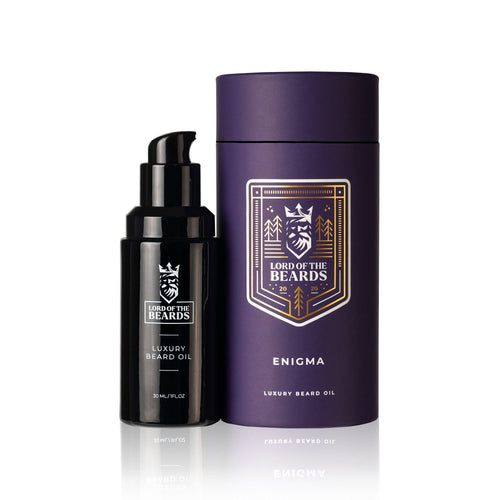
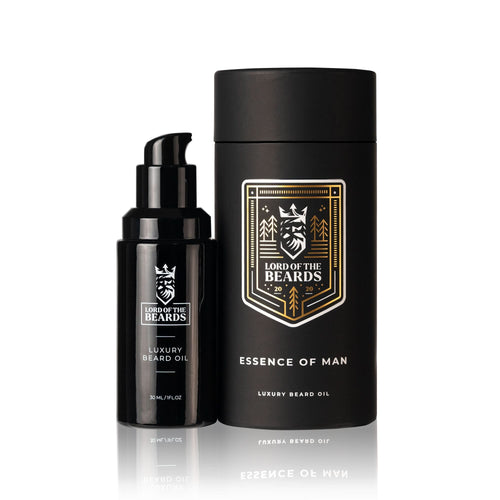
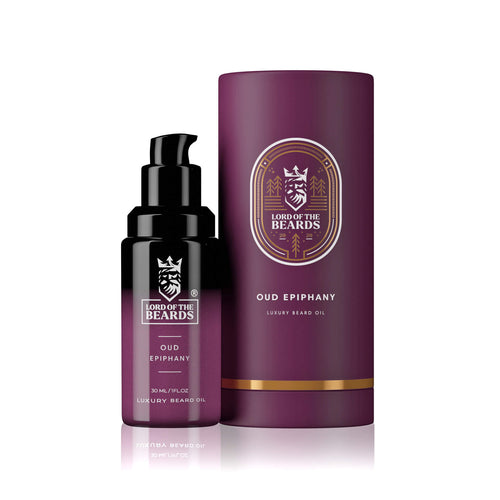
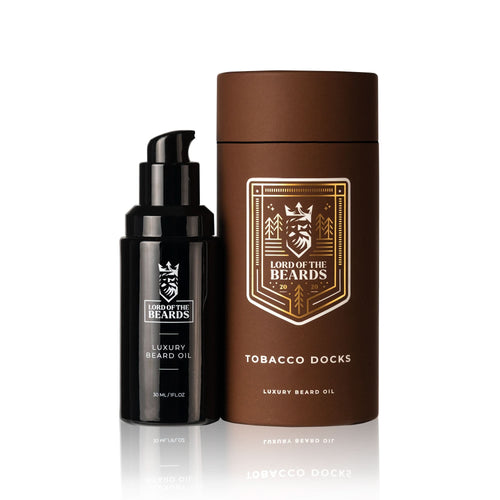
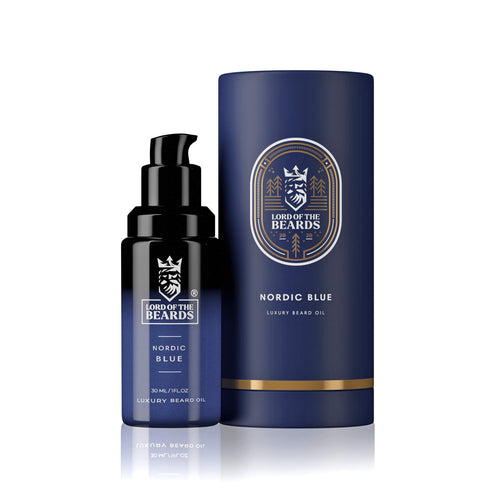
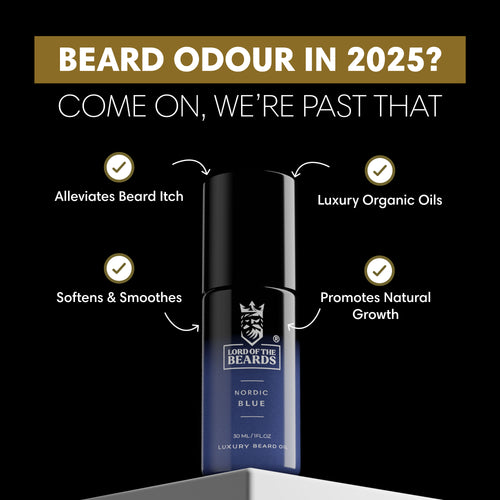
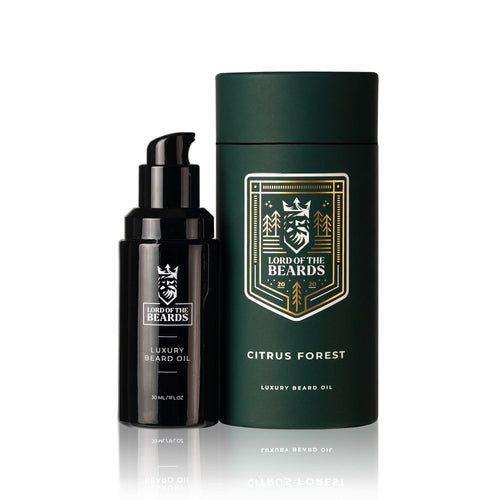
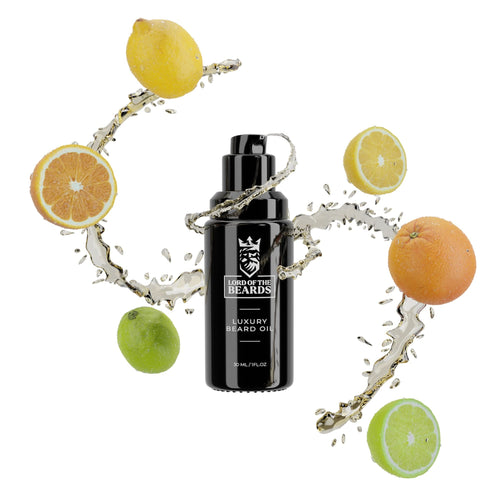
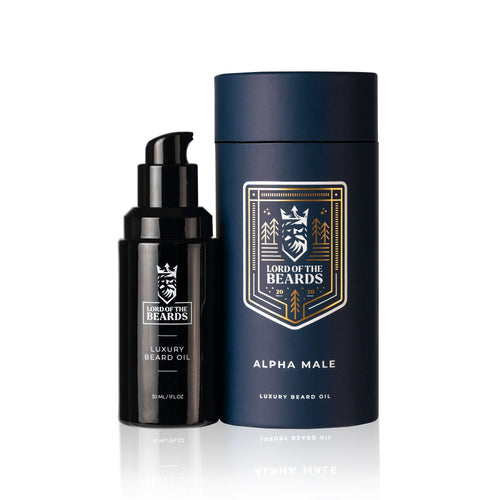
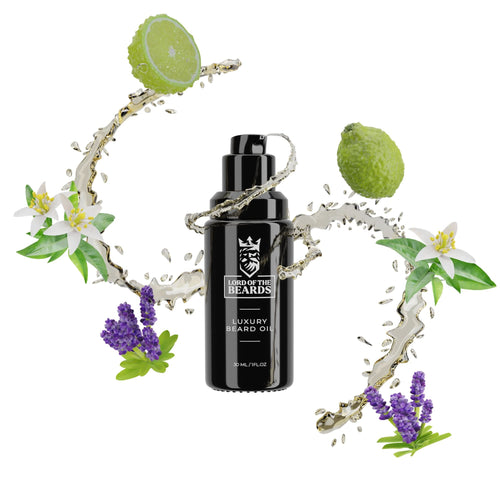
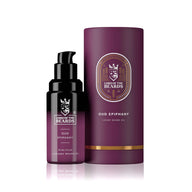
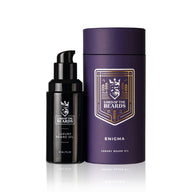
A lightweight oil with a refined scent does more than soften texture. It changes how your beard wears through the day. Instead of feeling dry and smelling of nothing, it stays touchable, groomed and quietly commanding. That is where premium grooming earns its place. Products like Lord of the Beards beard oil are built for that balance - fast absorption, a smoother finish, and a fragrance profile that carries like a proper signature rather than a basic toiletry.
Seal rough areas with balm
Oil softens and conditions. Balm adds control. If your beard still feels rough around the surface, especially at the front or along the jawline, balm can help lock in softness and tame the outer layer.
This is especially useful in colder months or if your beard is medium to long. Balm gives more structure than oil, so the beard feels less dry and unruly during the day. It can also help with flyaways that make a beard look rough even when it is technically healthy.
There is a trade-off here. Balm can feel too heavy for very short beards or men who prefer a completely natural finish. If your beard is only a few millimetres long, oil is usually enough. Once you have real length and shape to manage, balm starts earning its keep.
Brush and comb with intent
A rough beard is often a badly distributed beard. If the oil sits only on the surface or only at the front, the rest stays dry. Brushing and combing are what spread product, train growth direction and smooth texture without hacking away length.
Use a beard comb after applying oil to detangle and distribute product. Use a beard brush, ideally with firm but not overly harsh bristles, to shape and smooth the beard. A brush also helps lift away dead skin and bring the beard into line.
Do not attack it. Aggressive brushing creates breakage, static and irritation. Start gently, especially if your beard is curly or dense. The point is to coach the beard, not punish it.
Trim the dry ends if the beard still feels coarse
Some roughness cannot be moisturised back to life. If your beard ends are splitting, fraying or feeling like wire, they may simply be too damaged. A light trim can make the whole beard feel softer almost instantly.
This does not mean taking length off for the sake of it. It means removing the oldest, driest ends that are ruining the texture. Men often avoid trimming because they think growth alone will improve the beard. Usually the opposite happens. You end up with more beard, but worse beard.
If you are growing it out, keep the shape tidy and remove obvious damage every few weeks. That gives you a fuller beard with better movement and a cleaner finish.
Fix what is happening underneath the beard
When the skin under your beard is dry, flaky or irritated, the beard never feels quite right. Rough texture can be a surface sign of poor skin condition underneath. If your beard comes with itching, beard dandruff or redness, the problem is not only the hair.
Beard oil helps here, but so does proper cleansing and avoiding products with harsh alcohol-heavy formulas. Exfoliating the skin under the beard once in a while can also help, provided you keep it gentle. Overdoing exfoliation just creates another dryness problem.
Pay attention to your environment too. Hard water, central heating and cold air can all pull moisture out of the beard. In winter, many men need more oil or the addition of balm. In warmer weather, you may prefer a lighter touch. Good grooming is not rigid. It adapts.
How to fix rough beard texture without wasting money
Men often make the texture problem worse by buying five average products instead of two good ones. You do not need a bathroom shelf full of clutter. You need a routine that works consistently.
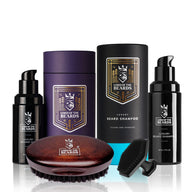
For most beards, that means a gentle beard shampoo, a high-quality beard oil, a balm if you need hold, and a proper brush or comb. That is the core. Everything else is secondary.
What matters most is consistency. A single application of oil will make your beard feel better for a few hours. A proper routine changes the texture over time. After a week, the beard feels softer. After two or three weeks, it starts looking more refined as well. That is when your beard stops feeling like facial hair you happen to have and starts feeling like part of your presence.
If your beard is still persistently rough despite a better routine, consider whether the issue is length, genetics, climate or irritation from another skincare product. Some beards are naturally coarser than others. The goal is not baby-soft fluff. It is a beard that feels healthy, wears well, and looks deliberate.
A strong beard should never feel neglected. Treat it like part of your style, not an afterthought, and the texture will follow. Softer, smoother and far more refined is not a fantasy result - it is what happens when your routine finally matches the standard you want to wear.