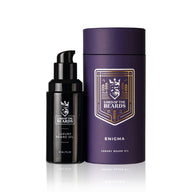

Indulge in Luxury
The wrong beard oil scent can ruin a sharp routine faster than a scruffy neckline. You apply it expecting confidence, and instead you get something too sweet, too harsh or gone by lunch. This guide to beard scent notes is built for men who want more than a basic grooming product. If your beard oil is going on your face every day, it should smell like a deliberate choice - not an afterthought.
A good scent does two jobs at once. It makes your beard care feel premium, and it gives your overall presence a signature edge. That is why understanding scent notes matters. Once you know how they work, you stop buying blind and start choosing oils that actually suit your style, your skin and the way you carry yourself.
What beard scent notes actually mean
When people talk about scent notes, they are borrowing the language of fine fragrance. That is no accident. A well-made beard oil should not smell flat or one-dimensional. It should open with impact, settle with character and leave a lasting impression close to the beard.
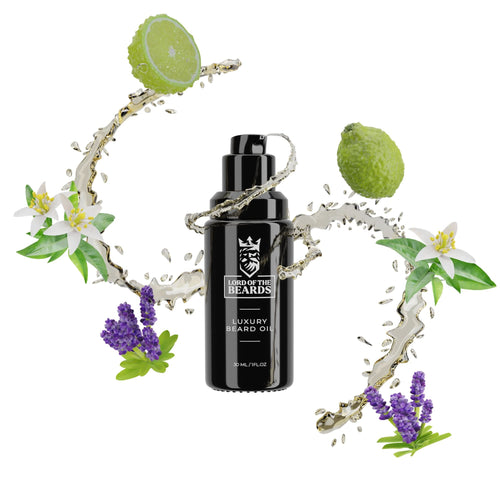
Scent notes are usually split into three layers: top notes, heart notes and base notes. The top notes are what you notice first, usually in the first few minutes after application. These are often bright, fresh and attention-grabbing. Citrus, bergamot, marine accords and light herbs often sit here.
Heart notes are the core of the scent. Once the top fades, the middle steps forward and gives the fragrance its real identity. This is where you will often find spice, woods, florals, tobacco or aromatic blends. If a beard oil smells sophisticated rather than simple, the heart is usually doing the heavy lifting.
Base notes are what remain. These are deeper, richer and slower to fade. Oud, amber, musk, sandalwood, leather and vanilla often sit in the base. In beard care, these notes matter because they linger close to the skin and beard hair, giving that quiet all-day presence that feels refined rather than loud.
A practical guide to beard scent notes by fragrance family
If you are trying to choose the right beard oil, fragrance families are often more useful than individual ingredients. They tell you the overall mood before you get too caught up in the details.
Woody and oud-led scents
Woody scents are confident, grounded and masculine without trying too hard. Think cedarwood, sandalwood, vetiver and oud. These oils tend to feel premium straight away because they carry depth and structure. If you want your beard oil to read more like a cologne than a cosmetic, wood-heavy profiles are often the strongest move.
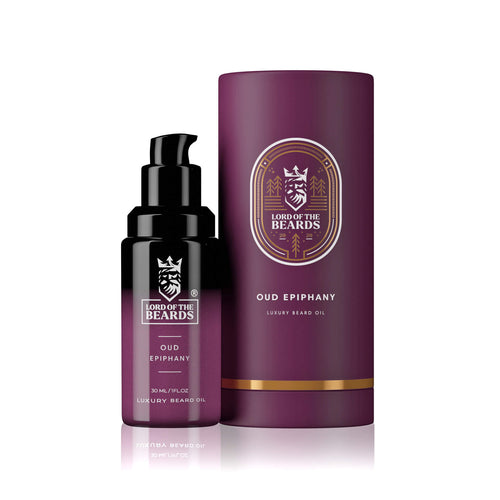
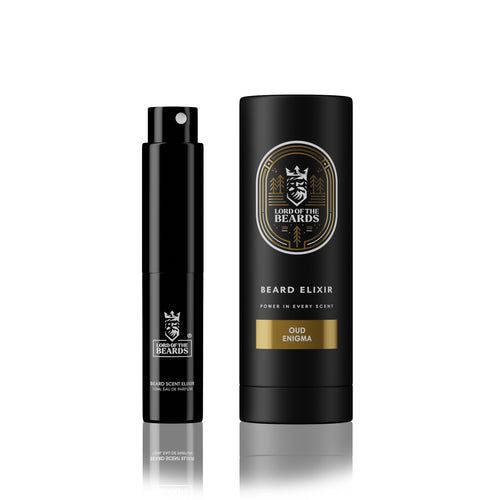
Oud deserves special attention. It is rich, dark and resinous, with a luxury reputation for good reason. In beard oil, oud works best when balanced by spice, citrus or soft amber. Too much and it can feel heavy. Done well, it smells expensive, composed and memorable.
Fresh citrus and aquatic scents
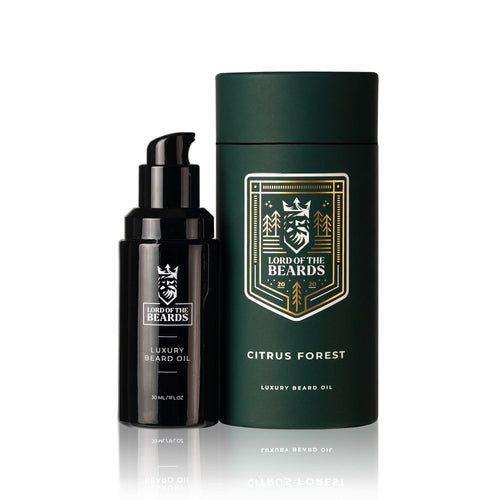
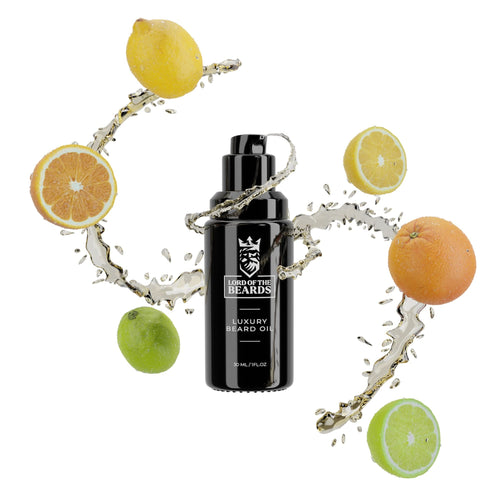
Citrus and marine profiles are cleaner and more energetic. Lemon, bergamot, grapefruit and oceanic accords create an immediate lift, which makes them ideal for daytime wear, the office or warmer weather. They feel crisp and modern.
The trade-off is longevity. Brighter notes usually fade faster than woods and resins, so a citrus-led beard oil may smell brilliant early on and softer by the afternoon. That is not a flaw if the formula is balanced with a stronger base. It simply means the scent wears with more subtlety as the day moves on.
Spiced and tobacco notes
Spice brings attitude. Black pepper, cardamom, clove and cinnamon add heat and edge, while tobacco notes add richness and maturity. These scents feel confident, evening-ready and distinctly masculine.
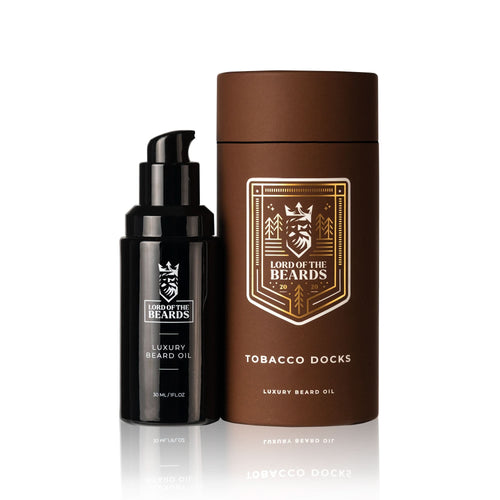
They are especially good if you want a beard oil that makes a statement without becoming overpowering. Tobacco in fragrance does not smell like stale smoke. In a quality blend, it is smoother, sweeter and more polished, often paired with woods, vanilla or amber for warmth and depth.
Clean aromatic scents
Aromatic profiles sit in that sweet spot between fresh and sophisticated. Lavender, rosemary, sage and mint can smell sharp, barbershop-clean and very wearable. These are strong choices if you want something versatile that suits work, weekends and everything in between.
They can lean classic or modern depending on what supports them. Lavender with cedar can feel timeless. Sage with bergamot can feel more contemporary and brisk.
How beard scent develops on your face
A scent on a tester strip is one thing. A scent in your beard is another. Beard hair, skin chemistry and even product amount all affect how a fragrance performs.
Facial hair tends to hold scent well, especially if the beard is dense. That can make deeper notes feel warmer and more pronounced than they do in a standard fragrance spray. Skin underneath matters too. Dry skin may cause a scent to fade faster, while well-moisturised skin can help it last and settle more evenly.
Application changes the experience as well. Two or three drops in a short beard will wear differently from a full pipette worked through a thick one. More product does not always mean a better scent experience. Sometimes it simply makes the opening feel too strong. A premium beard oil should carry itself with control.
Guide to beard scent notes for your style
The best scent is not always the most complex one. It is the one that fits your routine and your identity.
If your look is sharp, tailored and understated, woody, aromatic or oud-led oils usually make the strongest match. They bring polish without trying to dominate the room. If your style is more casual, fresh citrus, marine or herb-driven profiles can feel cleaner and easier for everyday wear.
For evenings, colder months or occasions when you want extra presence, spice, tobacco and amber come into their own. They project more warmth and confidence. For summer or post-gym grooming, something brighter and lighter often feels more natural.
There is also the question of whether your beard oil should complement your cologne or replace it. It depends on how you wear fragrance. Some men want beard oil to act as a subtle extension of their main scent. Others want it to do the whole job on its own. If you already wear cologne daily, choose beard oils that sit close to the skin and do not clash. If you prefer a simpler routine, a scent-led beard oil can absolutely become your signature.
How to read a beard oil scent description properly
Fragrance descriptions can sound dramatic. Dark woods. Captivating spice. Fresh forest air. That language helps create a mood, but it should not be the only thing you go on.
Look at the note structure underneath the storytelling. Ask yourself what appears first, what seems to carry the centre and what likely anchors the finish. A scent described as citrus and cedar will wear very differently from one built around oud, tobacco and amber, even if both are marketed as masculine.
Also pay attention to balance. A scent with only bright notes may smell clean but disappear quickly. A scent with only heavy notes may feel too dense for daily use. The strongest beard oils usually combine brightness at the top with a richer base underneath. That contrast gives the fragrance movement.
Common mistakes when choosing beard scent notes
One mistake is buying purely for intensity. Strong is not always better. If a scent is too aggressive at close range, you will notice it all day in a way that becomes tiring. Beard oil sits directly under the nose, so balance matters more than brute force.
Another is choosing by trend rather than taste. Oud may be popular, but if you naturally prefer crisp, clean scents, forcing yourself into a dark resinous profile will not suddenly make it your favourite. Confidence comes from wearing something that fits, not from chasing what sounds expensive.
The third mistake is ignoring season and setting. A heavy tobacco-and-spice oil can feel exceptional in autumn and too much in a heatwave. A bright aquatic scent can feel ideal at work and a little light for a winter evening. Build around real life, not fantasy.
Building a scent wardrobe for your beard
If you take grooming seriously, one beard oil scent is rarely enough. Just as you would not wear the same shoes to every occasion, the same applies here.
A strong rotation usually means one fresh daytime scent, one richer evening scent and one versatile all-rounder. That gives you enough range without overcomplicating your shelf. You are not collecting bottles for the sake of it. You are giving your routine options.
This is where fragrance-led grooming earns its place. A beard oil should soften, condition and keep the beard looking sharp. But when the scent is done properly, it also becomes part of your presence. That is where premium beard care separates itself from the forgettable stuff.
At Lord of the Beards, that is the difference worth chasing. Not just a softer beard, but a better impression every time you step out the door.
Choose scent notes the way you choose a watch, a jacket or a signature drink - with intent. Your beard sits front and centre. It should carry a scent that does the same.