
Indulge in Luxury
A beard oil can smell outstanding on first wear and still be the wrong fit for your beard by lunchtime. If you want a proper guide to beard oil ingredients explained in plain English, start here. The bottle matters, but the blend matters more - how it softens coarse hair, how quickly it absorbs, how it treats the skin underneath, and whether the scent wears like a refined signature or a cheap afterthought.
The truth is simple. Most beard oils are built from the same foundation, but not all foundations are equal. A premium blend is judged by balance. You want nourishment without grease, softness without limpness, and fragrance with presence rather than overload. Once you understand the ingredients, you stop buying on label hype alone and start choosing with confidence.
Guide to beard oil ingredients explained: what is actually in the bottle?
At its core, beard oil usually contains two main parts: carrier oils and fragrance elements. The carrier oils do the heavy lifting for beard condition and skin comfort. The fragrance side, whether from essential oils, aroma blends or both, shapes the experience and the identity of the product.
Some formulas also include vitamin E or other antioxidants to support stability and skin feel. That sounds technical, but the practical point is straightforward. The best blends are designed to condition the beard, calm dryness underneath, and leave a scent profile that feels deliberate rather than accidental.
Carrier oils are the backbone
If a beard oil claims to transform rough facial hair, the carrier oils are the reason. These plant-based oils make up most of the formula, and each one changes how the product feels in your hand and in your beard.
Argan oil is one of the best-known names for good reason. It is lightweight, rich in fatty acids, and often gives that smoother, polished finish men want without making the beard look slick. It suits most beard types, especially if you want softness and shine with a clean, premium feel.
Jojoba oil is another favourite because it closely resembles the skin's natural sebum. That means it tends to absorb well and works brilliantly for men who want hydration without the heavy residue. If your skin gets irritated or your beard area feels tight after washing, jojoba is often a strong sign the formula is aiming for balance rather than brute force.
Sweet almond oil is commonly used for softness and slip. It helps tame coarse texture and makes the beard easier to comb through. For many men, it gives a fuller beard a more touchable finish. The trade-off is that it can feel slightly richer than jojoba, so if you prefer a very dry-touch oil, you may want it balanced with lighter ingredients.
Grapeseed oil is lighter again. It absorbs quickly and helps avoid that greasy, shiny look some men dislike. For shorter beards or warmer weather, this can be a smart choice. The downside is that by itself it may not feel rich enough for very thick or wiry growth.
Castor oil is where things get heavier. It is thicker, denser and often included to add weight, hold and a sense of fullness. That can be useful for dry, unruly beards that need taming. Used too heavily, though, it can leave the beard feeling coated. In a well-made blend, castor oil is usually there to add structure rather than dominate.
Coconut oil appears in some formulas too, though often in fractionated form so it stays liquid and spreads easily. It can be excellent for smoothness, but some skin types find it too rich. This is where personal fit matters. The best ingredient on paper is not always the best ingredient for your routine.
How ingredients affect feel, finish and beard performance
Reading a label is useful only if you know what the ingredients actually do once they hit your beard. Texture is the first clue. A lighter formula tends to absorb fast, reduce surface grease and suit daily wear, especially if you style your beard before work and do not want oil sitting on the hair all morning.
A richer formula can be ideal for thicker growth, colder months or men whose beard feels brittle. It often gives better overnight conditioning and more control. The trade-off is shine. Some men want that healthy sheen. Others want a matte, barely-there finish. Neither is wrong - it depends on your beard density, your skin, and the look you are after.
Skin comfort matters just as much as beard softness. Many men think beard oil is only for the hair, but the skin underneath is where half the battle is won. If the formula calms dryness and reduces itch, your beard will sit better, look healthier and feel less like a chore to maintain.
Fragrance ingredients: the difference between grooming and presence
This is where beard oil moves from basic maintenance into something more elevated. A well-scented beard oil should not smell like an afterthought. It should wear with intent - subtle enough for daily use, defined enough to make an impression when someone gets close.
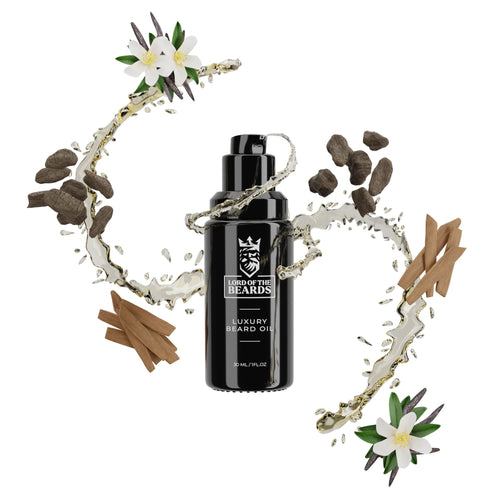
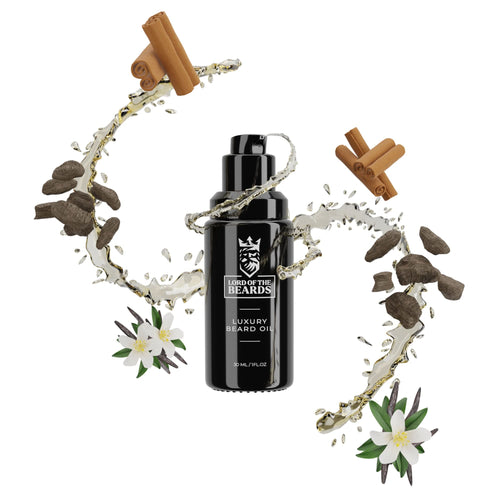
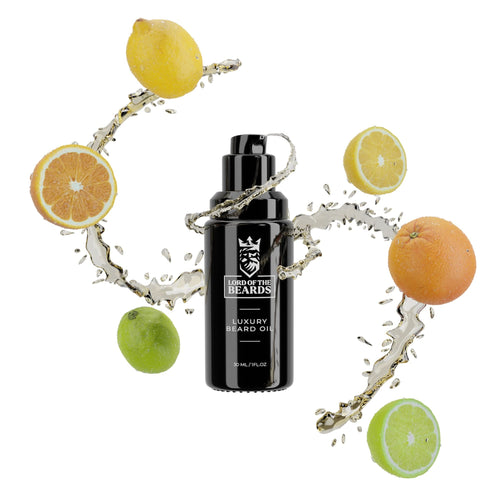
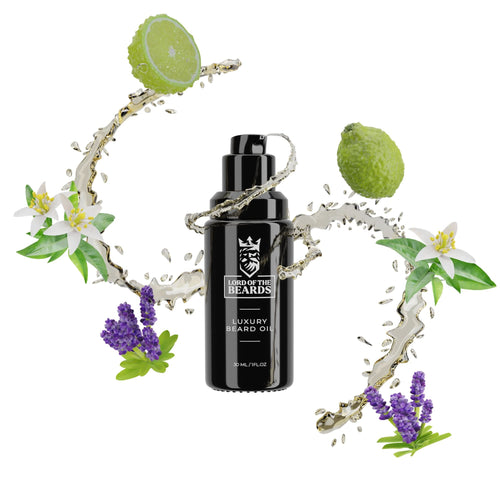
Essential oils are often used to create natural scent profiles. Cedarwood, sandalwood, bergamot, peppermint and tea tree all show up regularly. Each brings its own character. Cedarwood and sandalwood lean warm, grounded and masculine. Bergamot sharpens the opening with freshness. Peppermint can feel clean and energising. Tea tree has a medicinal edge that some men love for its purifying feel, while others find it too sharp for a signature scent.
Some premium beard oils use fragrance oils or carefully developed scent blends to create a more cologne-like profile. That approach can deliver more depth, consistency and staying power. If fragrance is part of your personal brand, this matters. A beard oil that smells flat after twenty minutes is doing only half the job.
Still, more scent is not always better. If you already wear aftershave, a very loud beard oil can clash. If you use beard oil as your everyday fragrance layer, then richness and longevity become part of the value. It depends on whether you want support or centre stage.
Guide to beard oil ingredients explained for sensitive skin
If your skin reacts easily, the ingredient list deserves a closer look. Fragrance, even when it smells exceptional, is often the first thing to assess. Some essential oils can irritate sensitive skin, especially in stronger concentrations. That does not mean you must avoid scented beard oil altogether, but it does mean a gentler, well-balanced formula is usually the smarter choice.
Look at how short and clean the ingredient list is. That is not a magic guarantee of quality, but it often helps. Fewer unnecessary extras usually means less chance of irritation. Jojoba and argan are often safer starting points for men who struggle with redness, flakes or tightness under the beard.
Patch testing is not glamorous, but it is smart. A premium routine should build confidence, not leave your skin angry for two days. If a formula feels hot, itchy or overly greasy, move on. Good beard care should feel controlled and effortless.
Ingredients that sound impressive but tell you little
Packaging can do a lot of talking. Words like botanical, natural and infused sound reassuring, but they are not enough on their own. What matters is the actual ingredient order and how the blend performs.
If a formula leads with quality carrier oils and uses fragrance with purpose, that is a good sign. If the label is vague or hides behind marketing language without telling you what is inside, be cautious. Premium grooming should feel premium all the way down to the details.
Vitamin E is a common addition and usually a sensible one. It helps support shelf life and can add conditioning benefits. Beyond that, many extras are useful only if the base formula is already strong. Beard oil is not about cramming the bottle with buzzwords. It is about getting the fundamentals right.
How to choose the right blend for your beard
Start with your beard type. If your beard is short to medium and you hate a greasy finish, look for lighter oils such as jojoba, argan or grapeseed near the top of the list. If your beard is thick, dry or stubborn, a blend with sweet almond or a touch of castor oil may give you the control and softness you need.
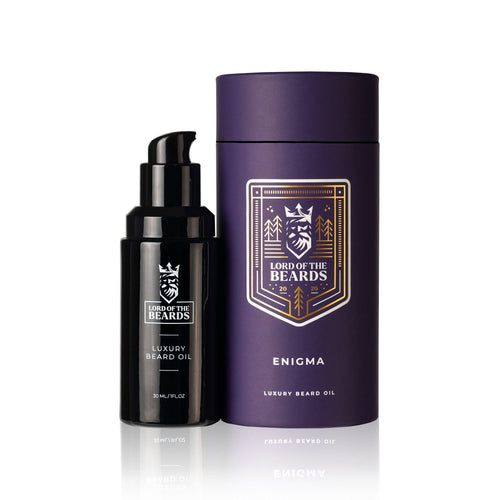
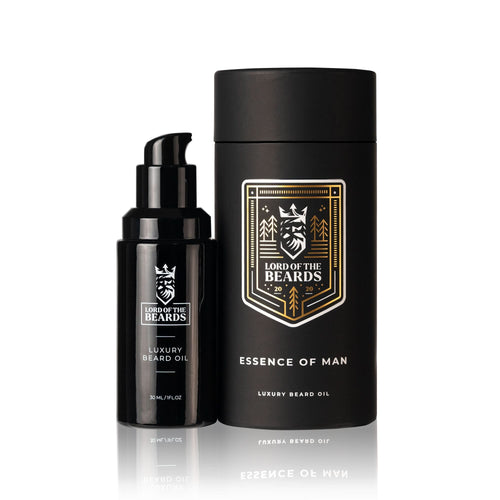
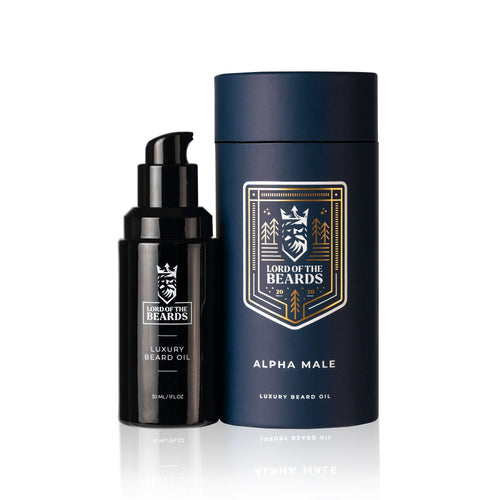
Then think about your grooming style. If beard oil is purely functional, keep the scent restrained and versatile. If you want it to act like a personal calling card, choose a more developed fragrance profile with depth, warmth or freshness that fits your identity. This is where a brand like Lord of the Beards stands apart - beard oil becomes more than maintenance when the scent carries confidence from the bathroom mirror into the rest of your day.
Finally, be honest about season and routine. In winter, heavier nourishment can be a win. In summer, a lighter, faster-absorbing blend may suit you better. The right oil is not always the richest or the strongest scented. It is the one that makes your beard feel sharper, your skin calmer and your overall presence more deliberate.
A good beard oil should never leave you guessing. Once you know what the ingredients are doing, you can choose a blend that works with your beard, your skin and your style - and that is where grooming starts to feel less like upkeep and more like identity.