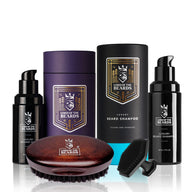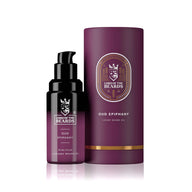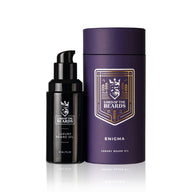

Indulge in Luxury
The difference between a beard that looks deliberate and one that looks neglected usually comes down to five minutes a day. Not genetics. Not luck. Not some mythical barber trick. If you want a guide to beard grooming for beginners that actually makes your beard look sharper, feel softer and carry itself with more presence, start here.
A good beard does more than fill out your jawline. It changes how you show up. Done properly, beard grooming is part maintenance, part style, part signature. Your beard should feel clean, sit neatly and carry a scent profile that adds to your presence rather than fighting with it.
Why a beginner beard routine matters
Most beginners make one of two mistakes. They either do nothing and hope the beard sorts itself out, or they overdo it with too much trimming, too much product and too little consistency. Neither works particularly well.
A beard needs structure. Facial hair is coarser than the hair on your head, and the skin underneath tends to dry out faster. That is why new beards often feel rough, itchy and untidy in the early weeks. The right routine keeps the skin comfortable, makes the beard easier to manage and helps it look intentional rather than accidental.
It also saves you from the common spiral of trimming too soon. Many men think the answer to awkward growth is cutting more off. In reality, a lot of early beard frustration is simply dryness, uneven lay and poor maintenance.
Guide to beard grooming for beginners - the core routine
If you are starting from scratch, keep your routine simple. Wash, dry, oil, brush. That covers most of what a beginner actually needs.
Wash your beard without stripping it
Your face collects sweat, food, grime and dead skin during the day. A beard traps more of it. Washing matters, but there is a trade-off. Use something too harsh and your beard turns wiry, the skin underneath tightens up and flaking becomes more obvious.
A dedicated beard shampoo is usually the better choice because it cleans without leaving the beard feeling brittle. You do not need to scrub aggressively. Work the product through the beard, reach the skin underneath, rinse thoroughly and leave it at that. For most men, two to four washes a week is enough. If you train hard, work outdoors or live in a city where your beard picks up more dirt, you may need the higher end of that range.
On the days you do not shampoo, a rinse with warm water can help freshen things up without overdoing it.
Dry it properly
Rough towel action is one of those small habits that quietly ruins a beard. Pat it dry instead of attacking it. A dripping beard will dilute your oil, but a beard that is bone dry can be harder to tame. Slightly damp is usually the sweet spot.
If your beard is longer, a hairdryer on low heat can help guide the shape. Keep it controlled. High heat every day is rarely worth it unless your beard is particularly thick and unruly.
Apply beard oil every day
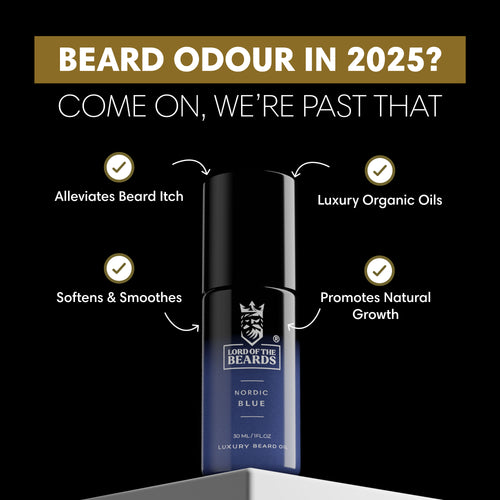
This is where most beginners notice the biggest change. Beard oil is not just about shine. The real job is to condition the hair and soften the skin underneath so the beard feels better, looks healthier and sits with more control.
Start with a few drops, warm them between your palms and work the oil through your beard from the skin outwards. Do not just smooth the surface and hope for the best. Get into the roots, then pull the rest through the length of the beard. If your beard is short, two to three drops may be enough. If it is fuller, use more. It depends on thickness, length and how dry your beard runs naturally.
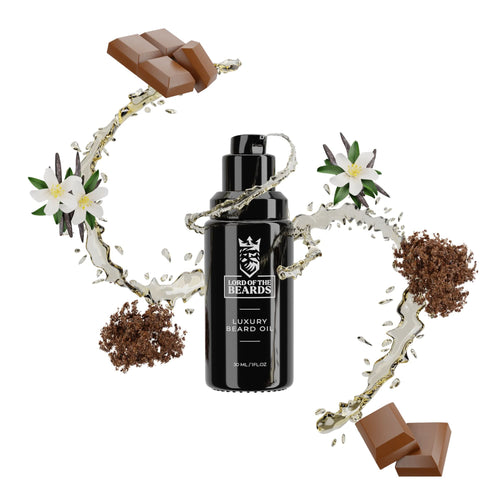
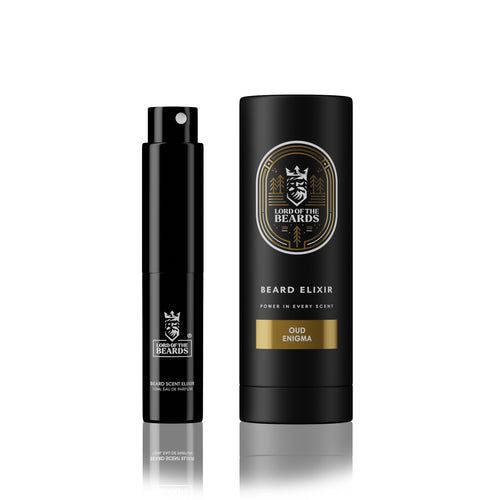
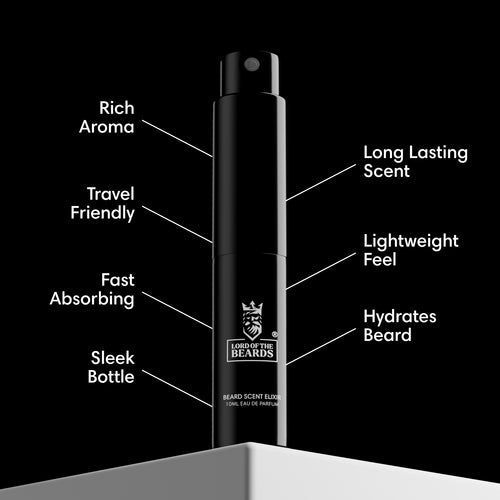
A lightweight oil is usually easier for beginners because it absorbs quickly and does not leave the beard feeling greasy. Scent matters too. Your beard sits close to you all day. A premium fragrance profile can turn a basic routine into something more refined - a subtle daily statement rather than an afterthought.
Brush or comb for shape and distribution
Once the oil is in, use a beard brush or comb to spread it evenly and train the beard into place. A brush is particularly useful for shorter beards and thicker growth because it helps reach the skin and encourages direction. A comb can be better for longer beards, especially if you are detangling.
Do not rake through knots aggressively. Start gently and work with the grain of your beard. This is grooming, not punishment.
What to trim and what to leave alone
Beginners often sabotage progress with impatience. If you are growing your beard out, you do not need to trim everything that looks uneven in week three. Some areas grow slower. Some curl more. Some only start to blend once there is enough length.
That said, a little clean-up goes a long way. Keep the cheek line natural but tidy. Clean the obvious strays on the upper cheeks if they make the beard look messy. Around the neckline, avoid cutting too high. A neckline taken too far up can make the beard look weak and disconnected from the jaw.
As a rough guide, keep the neckline somewhere above the Adam's apple and below the jawline, following your natural shape rather than carving a harsh line. If you are unsure, trim less. You can always take more off. You cannot put it back.
Moustache maintenance matters too. If hairs are constantly dropping over your top lip, carefully trim just enough to keep things neat. The goal is clean definition, not a hacked-in line.
The beginner mistakes that make a beard look cheap
A beard can be full and still look poorly kept. Usually, the problem is not growth. It is finish.
Using head shampoo on your beard every day is a classic error. So is skipping oil and then wondering why the beard feels like wire wool by lunchtime. Another is piling on too much balm or oil in the hope of forcing control. Too much product leaves the beard heavy, patchy-looking and sometimes shinier than you want.
Ignoring scent is another missed opportunity. If your beard product smells synthetic or fades instantly, it does nothing for your presence. A well-made beard oil with a more considered scent profile can do what generic grooming products cannot - make your beard feel like part of your style, not just your hygiene routine.
Beard oil, balm and shampoo - what beginners actually need
This is where some men get overwhelmed. You do not need an entire bathroom shelf from day one.
Oil is the essential. If your beard is short, early-stage or prone to itch, start there. It handles softness, comfort and scent in one step.
Balm is useful when you need extra hold. If your beard has a mind of its own, or you want a tidier, fuller-looking finish, balm can help shape it. The trade-off is that balm is usually heavier than oil, so some men prefer it only on certain days or once the beard reaches more serious length.
Beard shampoo earns its place because your facial hair and the skin underneath have different needs from the hair on your scalp. It is one of those products that sounds optional until you use the right one and wonder why you put up with dryness for so long.
If you want the simplest starting point, begin with beard oil and beard shampoo. Add balm once you know you need more control.
How often should you groom?
Daily grooming does not mean a lengthy ritual. For most men, one proper pass in the morning is enough. Wash if needed, apply oil, brush through, then check the shape. That is your baseline.
In the evening, you may want to rinse or reapply a small amount of oil if the beard feels dry, especially in colder weather or if you work in drying indoor heat. Beard care is seasonal. Winter often demands more conditioning. Summer may call for lighter product use and more frequent washing.
The key is consistency. A beard responds far better to a modest routine done every day than to a dramatic once-a-week rescue mission.
Choosing products that suit your beard
Not every beard needs the same formula. A shorter office-ready beard may suit a lighter, fast-absorbing oil with a crisp, clean scent. A thicker beard with more volume may handle richer conditioning and a darker, more assertive fragrance.
This is where grooming becomes personal. Some men want something fresh and bright for daily wear. Others want warmer, deeper notes that sit closer to a fine fragrance. There is no single correct answer. It depends on your style, your environment and how you want to come across.
The best product is the one you will actually use every day because it feels good, works quickly and smells like it belongs to you. That is why scent-led grooming has such pull. When your beard care doubles as part of your identity, the routine sticks.
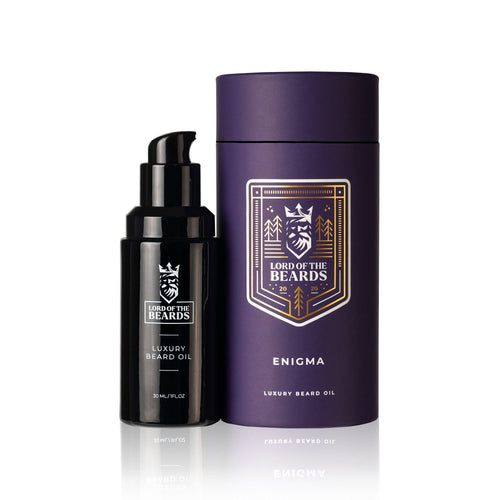
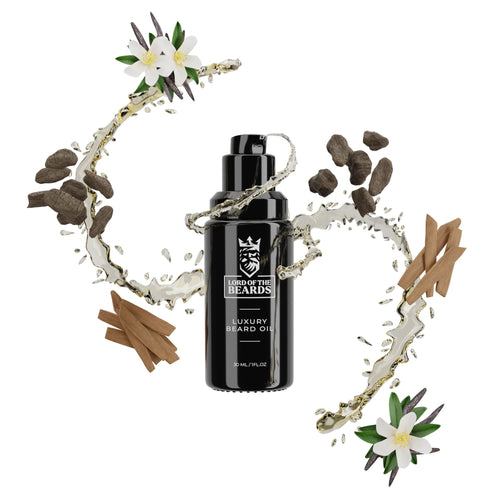
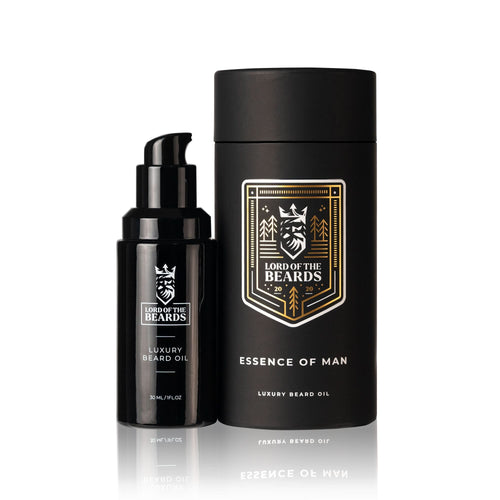
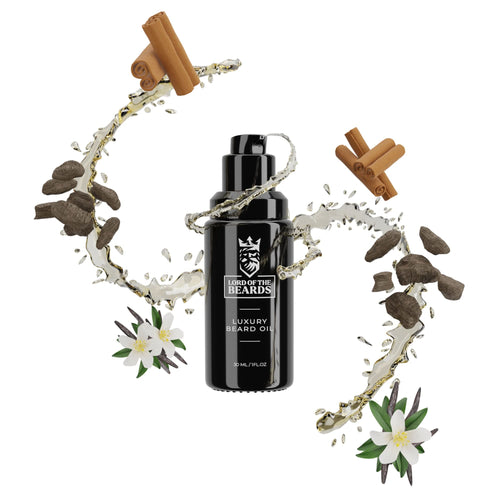
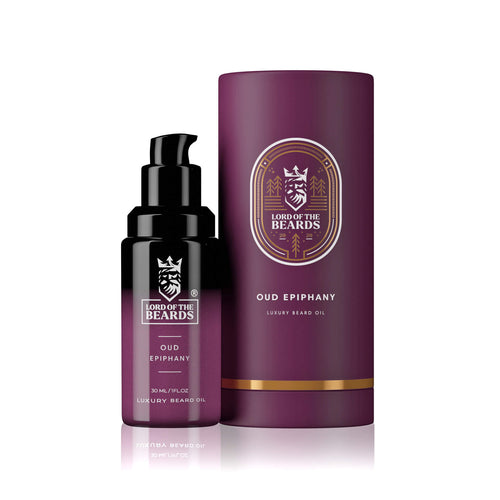
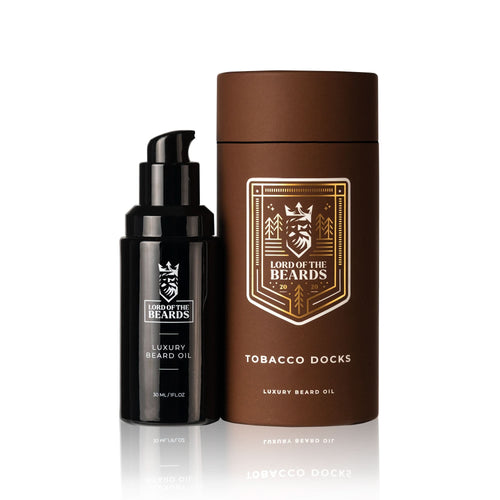
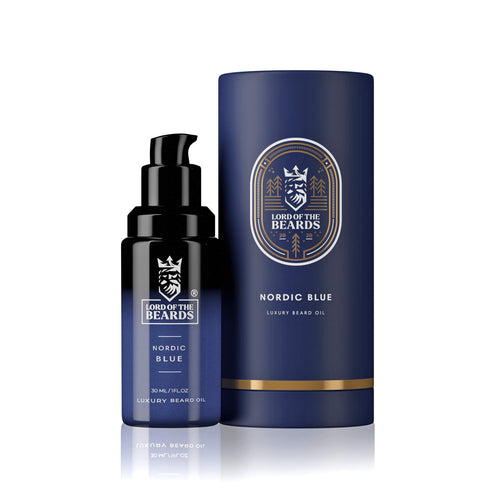
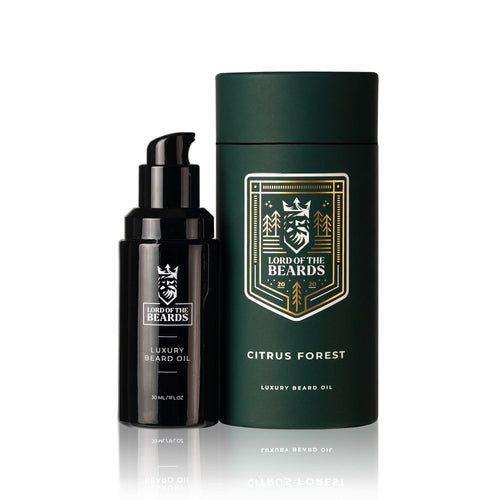
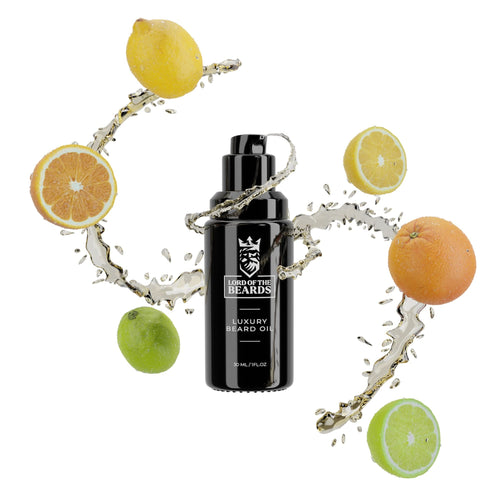
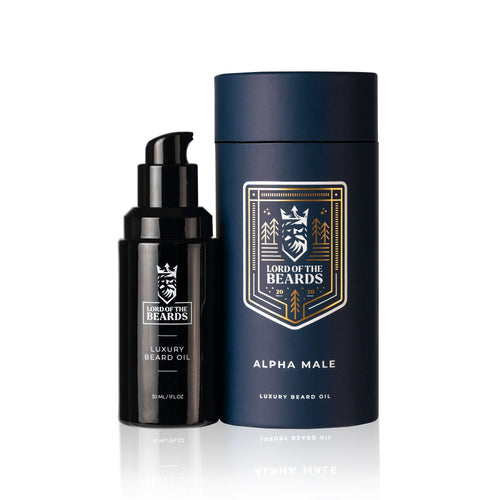
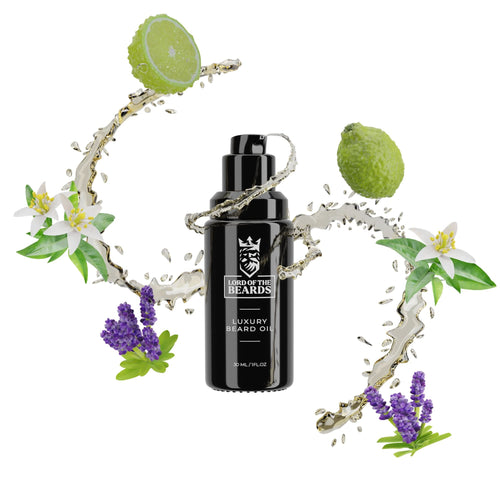
For a premium start, Lord of the Beards leans into that idea well - beard care that conditions properly while giving your routine the edge of a signature scent.
When to get help from a barber
Even if you handle daily maintenance yourself, a barber can help set the shape. This is especially useful if you are new to beards, growing through an awkward phase or unsure where your neckline should sit.
A good barber gives you a framework you can maintain at home. You do not need weekly appointments unless your style demands very sharp lines. For most men, occasional professional shaping paired with a strong home routine is enough.
Your beard does not need to be big to make an impression. It needs to be looked after. Start with clean hair, conditioned skin, a few drops of quality oil and a scent that feels like your own. The rest is repetition - and that is where confidence starts to show.