FREE DELIVERY ON ALL UK ORDERS OVER £30


Flakes on a black T-shirt have a way of ruining the effect. Your beard might be shaped well, your fade might be sharp, and your scent might be on point, but beard dandruff can make the whole look feel neglected. The good news is that the right beard oil for beard dandruff can change that fast - not by masking the problem, but by helping the skin underneath feel comfortable again.
Why beard dandruff happens in the first place
Most beard flakes are not really a beard problem. They start at skin level. The skin beneath facial hair is harder to cleanse properly, easier to dry out, and often ignored when the rest of the face gets some attention. Add cold weather, harsh face washes, hot showers, central heating, or over-washing, and you get irritation, tightness, and flaking.
There is also the fact that beard hair pulls natural moisture away from the skin as it grows. The longer and denser your beard, the more likely the skin underneath starts to feel dry. If you are using styling products not made for facial hair, or washing your beard with ordinary shampoo, you can strip away what little moisture is left.
Sometimes dandruff is simply dryness. Sometimes it is tied to sensitivity, buildup, or a yeast-related scalp and skin condition such as seborrhoeic dermatitis. That matters, because beard oil can help in many cases, but it is not magic. If the skin is very red, sore, or persistent despite a solid routine, it may need something more targeted.
Is beard oil for beard dandruff actually effective?
Yes - when dandruff is driven by dryness, irritation, or poor grooming habits, beard oil is often one of the simplest fixes. A good oil helps soften beard hair and condition the skin underneath, where the flakes actually begin. That reduces tightness, calms the rough feel, and makes the beard look cleaner and more polished.
What beard oil does not do is replace proper cleansing or treat every medical skin condition. If the flakes come from product buildup, you still need to wash properly. If the issue is more severe dermatitis, beard oil may make the beard feel better without fully solving the cause.
That trade-off matters. Beard oil is best seen as part treatment, part daily defence. Used well, it can take a beard from dry and scratchy to smooth, conditioned, and far more presentable.
What to look for in the best beard oil for beard dandruff
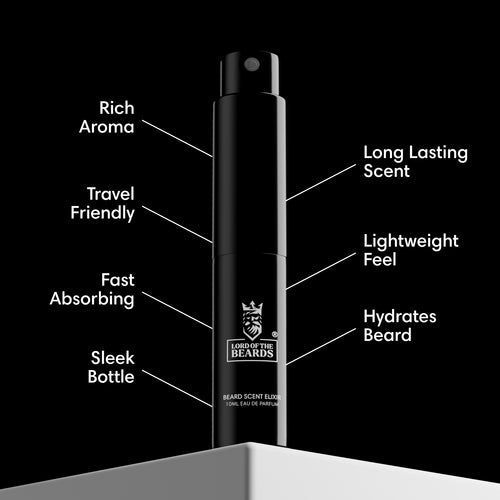
The first thing is feel. You want an oil that absorbs cleanly and does not just sit on the surface making your beard shiny while the skin underneath stays thirsty. Lightweight, fast-absorbing oils tend to work better for daily use because they reach the skin without leaving you greasy.
The second thing is the formula itself. Natural carrier oils are usually the backbone of a strong beard oil. Jojoba oil is a favourite because it is close to the skin’s natural sebum and tends to feel balanced rather than heavy. Argan oil is another strong option, especially for softening coarse beards and adding a smoother finish. Sweet almond oil, grapeseed oil, and similar nourishing oils can also help support dry skin and brittle beard hair.
The third thing is fragrance. Scent is part of the experience, especially if you want your beard oil to wear with presence rather than disappear into the background. But if your skin is already irritated, heavily perfumed or poorly blended formulas can make things worse. A premium beard oil should smell exceptional and still feel refined on the skin, not harsh or overpowering.
Finally, avoid mineral-oil-heavy formulas and anything that feels like a shortcut dressing rather than proper conditioning. Beard dandruff needs comfort at the roots, not just surface gloss.
How to use beard oil for beard dandruff properly
Application is where most men either get results or waste product. Beard oil needs to reach the skin, not only the beard itself. If it stays on the outer layer of hair, you may get shine and scent, but not much relief from flakes.
Start after washing, ideally when the beard is clean and slightly damp. That is the sweet spot. The hair is softer, the skin is not stripped, and the oil can spread more evenly. Put a few drops in your palms, warm it between your hands, then work it through the beard with your fingers. Do not stop at the front. Get under the chin, into the cheeks, and down to the skin.
A beard brush or comb helps distribute the oil and lift away loose flakes without being too aggressive. If your beard is short, you may only need a small amount. If it is thick, long, or especially coarse, you will need more. The point is balance - enough to condition, not so much that your beard feels weighed down.
Use it daily if dandruff is active. Once the skin settles, you can adjust, but most beards respond best to consistency rather than occasional rescue work.
Mistakes that keep beard dandruff hanging around
One of the biggest mistakes is washing the beard with regular hair shampoo or strong face wash. Both can strip natural oils and leave the skin underneath dry and tight. Beard hair is different from scalp hair, and the skin beneath it is more easily irritated.
Another mistake is applying beard oil to a dirty beard. If there is sweat, dead skin, and product buildup sitting underneath, oil alone will not fix it. It can even trap the mess and make things feel heavier. Clean beard first, then condition.
There is also the temptation to overdo it. More oil does not always mean better results. Too much can make the beard limp, cloggy, and uncomfortable. The best routine feels controlled and intentional, not greasy.
And then there is impatience. If your skin has been dry for weeks, it may take several days of proper care before the flakes calm down. You are restoring balance, not flicking a switch.
Beard oil, beard balm, or beard shampoo?
If beard dandruff is the issue, oil is usually the first move because it targets both dryness and beard texture at once. It is the everyday workhorse. Beard balm can help too, especially if you need styling control and a bit of extra protection, but balms are often better as a follow-up step rather than your main solution for flaking skin.
Beard shampoo matters because no oil performs well on a neglected base. If your beard is not cleansed properly, dead skin and residue build up quickly. A beard-specific wash used a few times a week gives the oil a cleaner surface to work with.
The strongest routine usually combines all three with restraint: a gentle beard wash, a quality beard oil, and balm only if you want shape and hold. For many men, that is the point where the beard stops feeling like maintenance and starts feeling like part of their presence.
When scent still matters
A lot of anti-flake grooming products solve one problem by creating another. They work, sort of, but smell clinical, flat, or forgettable. That may be fine if all you care about is function. But if your beard is part of your style, scent matters.
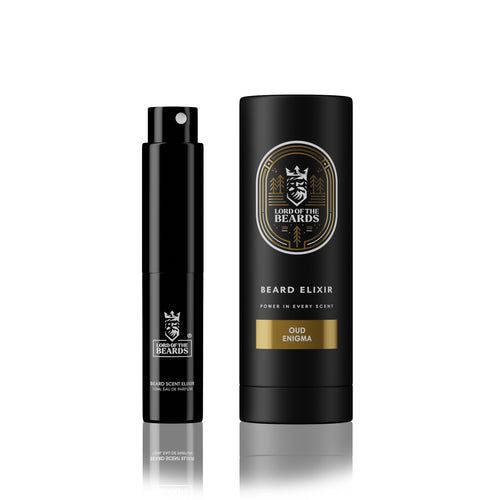
The best beard oil for beard dandruff should not force you to choose between comfort and character. It should calm the skin, soften the beard, and leave behind a scent that feels deliberate. Something with depth. Something that wears closer to a signature than a basic grooming product.
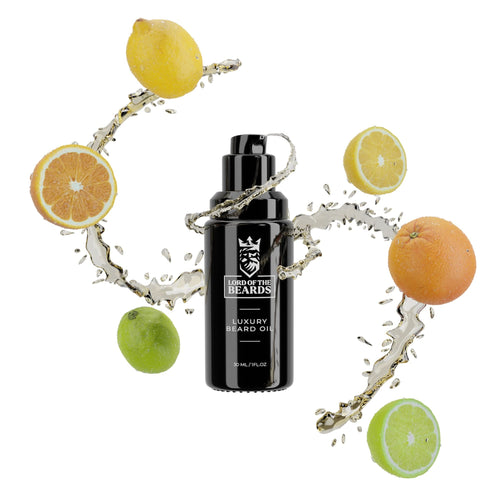
That is where premium beard care earns its place. A well-made oil can turn a routine fix into something sharper - less damage control, more daily ritual. Lord of the Beards leans into that idea properly, blending grooming performance with fragrance-led appeal, so your beard feels better and carries itself better too.
When beard dandruff needs more than oil
If you have tried a solid routine and the flakes keep coming back hard, it may not just be dryness. Persistent redness, yellowish flakes, itching that borders on burning, or patches spreading beyond the beard can point to something more stubborn.
That does not mean your grooming routine has failed. It means the skin may need a more specific approach, sometimes with pharmacy treatment or medical advice. Beard oil still has a place in keeping the hair soft and reducing roughness, but it should work alongside the right diagnosis, not instead of it.
Strong grooming is knowing the difference between a daily fix and a problem worth taking seriously.
A beard should project control, not irritation. If flakes are stealing the edge from your look, the answer is usually simpler than most men think: cleanse gently, oil consistently, and choose a formula that treats your beard like an asset rather than an afterthought. Get that right, and the mirror starts reflecting what you intended all along - a beard that looks sharp, feels comfortable, and carries its scent with confidence.