
Indulge in Luxury
A round face has its advantages: it often looks youthful, balanced and naturally strong. The grooming move is not to fight that shape, but to introduce definition where it counts. The best beard styles for round faces create a sharper lower profile, add controlled length through the chin, and keep excess bulk away from the cheeks.
Forget hiding behind an oversized beard. A great beard should frame your face with purpose. The right cut can make your jaw appear more pronounced, your chin look longer and your whole presence feel more composed.
What Round Faces Need From a Beard
Round faces tend to have similar width and length, with softer angles around the jaw and cheeks. Your beard should change the visual balance, not simply add more volume. Think vertical length, clean lines and a slightly narrower silhouette.
The common mistake is allowing the beard to grow equally in every direction. Full cheeks combined with a rounded chin can make the face appear wider. Instead, keep the sides neat and let the beard carry more weight below the jaw. This draws the eye downwards and gives your profile a more structured, masculine edge.
Your cheek line matters too. A crisp, natural-looking line adds authority, while an over-carved line can look forced. Keep it tidy, but do not turn your face into a geometry lesson. Premium grooming is about control, not overcorrection.
7 Beard Styles for Round Faces
1. The Short Boxed Beard
The short boxed beard is one of the safest, strongest choices for a round face. It is close enough to look polished for work, but defined enough to build a firmer jawline. Keep the cheeks trimmed, the sideburns blended and the chin fractionally longer than the sides.
The key is proportion. A dense, even beard can work brilliantly, provided the barber or trimmer does not leave too much width around the jaw. Ask for clean edges and subtle extra length at the chin. It is refined, versatile and never tries too hard.
2. The Extended Goatee
An extended goatee keeps the focus in the centre of the face. By removing or closely trimming the cheeks while retaining hair around the mouth and chin, it creates the impression of a longer, more angular face.
This style works especially well if your growth is strongest around the moustache and chin. It also suits men who want definition without maintaining a full beard. Keep the outer edges precise and avoid letting the chin become too rounded. A slightly squared finish gives it more presence.
3. The Balbo Beard
The Balbo is confident, sharp and built for men who appreciate a deliberate grooming routine. It separates the moustache from the beard, with the chin and jaw section shaped independently. The open cheeks reduce horizontal width, while the central beard lengthens the face.
There is nowhere to hide with a Balbo. The lines need regular attention, and the moustache should look intentional rather than accidental. But when it is clean, it carries a tailored, cologne-level sense of polish. This is a style that turns a simple haircut and shirt into a complete look.
4. The Van Dyke
A Van Dyke combines a detached moustache with a pointed or shaped goatee. It is more expressive than a boxed beard and can bring impressive definition to a softer face shape. The pointed chin section is doing the heavy lifting here, creating vertical direction without adding cheek bulk.
It depends on your natural growth pattern. If your moustache comes through well and you can grow a dense goatee, it can look exceptional. If either area grows patchy, the style may look thin rather than sharp. Keep the length moderate and the point restrained. Drama is good. Costume territory is not.
5. The Anchor Beard
The anchor beard is a bolder variation on the goatee family. It runs along the jaw and comes to a point at the chin, often paired with a defined moustache. From the front, it pulls the face down and in, creating a more sculpted outline.
This is a strong choice for a round-faced man with a sense of style and the patience to maintain detail. The narrow chin point needs frequent trimming, particularly if your beard grows quickly. Use a beard balm sparingly to keep longer sections directed, not puffy.
6. The Tapered Full Beard
A full beard can suit a round face, but only when it is shaped with discipline. The tapered full beard is fuller at the chin and more controlled through the cheeks and sides. Rather than creating a round curtain of hair, it forms a gentle V shape.
Ask for the neckline to sit above the Adam's apple, with the beard gradually lengthening towards the chin. The sides should be blended into your haircut rather than allowed to flare out. It takes more upkeep than a short boxed beard, but it offers real impact if your beard has density.
7. The Beardstache
The beardstache puts the moustache centre stage and keeps the beard short, usually heavy stubble to a few millimetres of growth. The result is rugged, mature and low on cheek volume. It will not lengthen the face as dramatically as a goatee, but it prevents the extra width that a bulkier beard can create.
This style is ideal if you have a standout moustache or prefer a less formal look. Keep the beard tidy around the neckline and jaw, and make sure the moustache is conditioned. Dry, wiry hairs across the lip can ruin an otherwise powerful look.
Shape It Properly, Not Aggressively
The best beard style can still lose its effect if the neckline is too low or the cheek line is uneven. Start by brushing your beard downward and assessing its natural fall. Trim when the hair is dry, because wet hair sits longer and can tempt you into taking off too much.
For round faces, keep the neckline clean and avoid a broad, curved finish beneath the chin. You want a line that supports the jaw, not one that creates another soft circle. On the cheeks, remove obvious stray hairs but preserve enough natural fullness to avoid a harsh, artificial look.
If you are growing a longer beard, shape it gradually. Taking too much from the sides in one session can leave the beard looking narrow and sparse. Small adjustments every few days are more forgiving and give you time to see how the shape settles.
Beard Care That Holds the Shape
A beard with dry ends and wild flyaways loses definition fast. Conditioning is not an optional extra when your style depends on sharp edges and controlled direction. After washing, work a few drops of beard oil through the hair and down to the skin, then brush it into place.
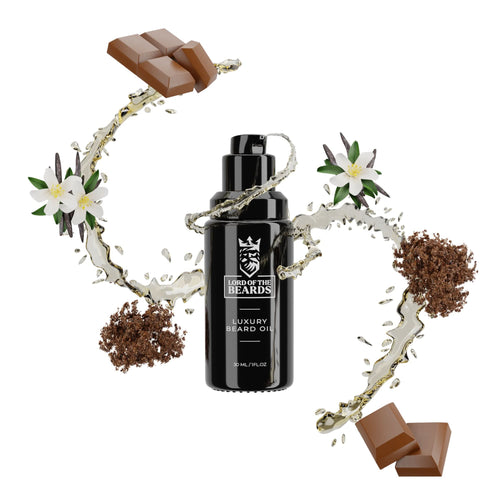
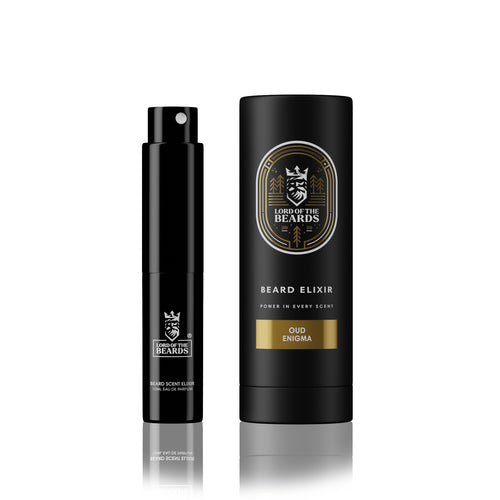
The right oil should soften coarse hair without leaving a greasy shine. It also gives your beard a more deliberate finish, especially under office lighting or on a night out. Choose a fragrance that suits the occasion: deep oud and tobacco notes bring evening weight, while citrus, woods or marine notes feel cleaner for daytime.
For styles with more length, beard balm adds hold without making the beard stiff. Warm a small amount between your palms, press it through the beard and use a brush to guide the chin section downwards. The goal is a beard that looks naturally well kept, not shellacked into submission.
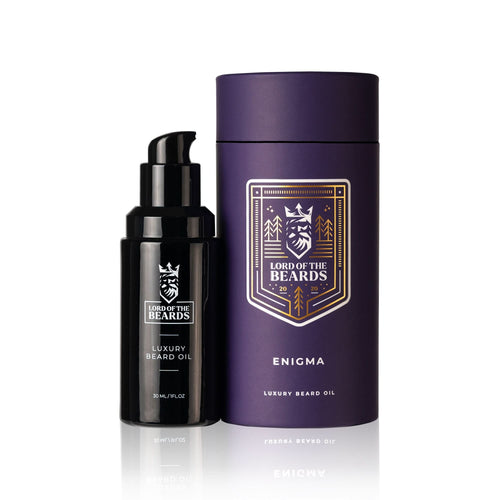
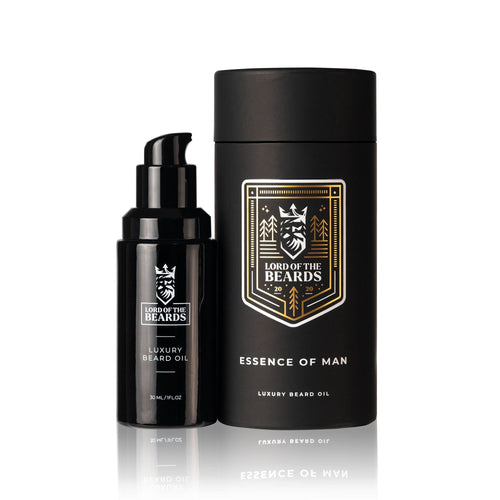
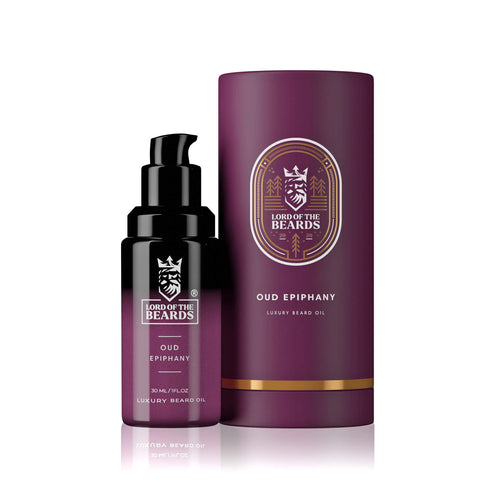
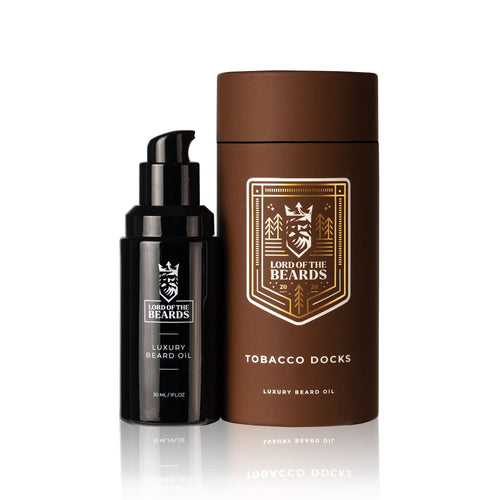
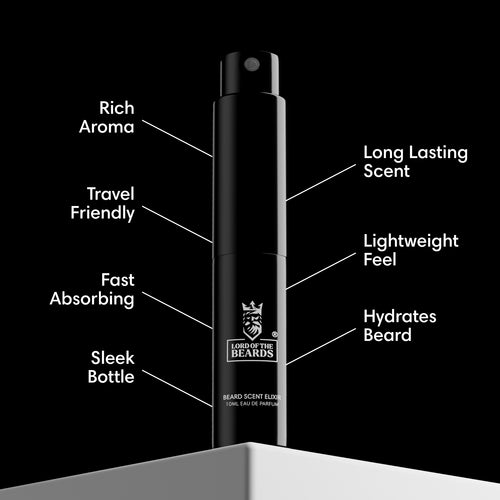
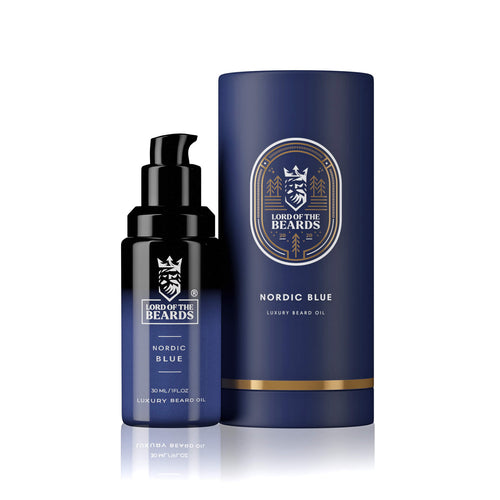
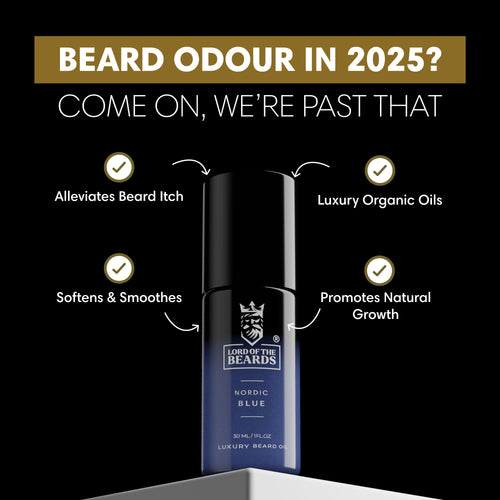
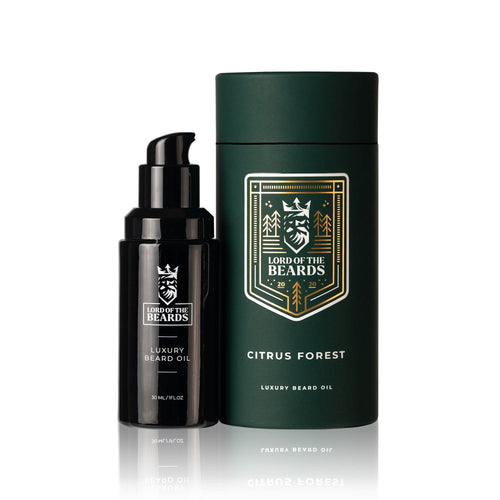
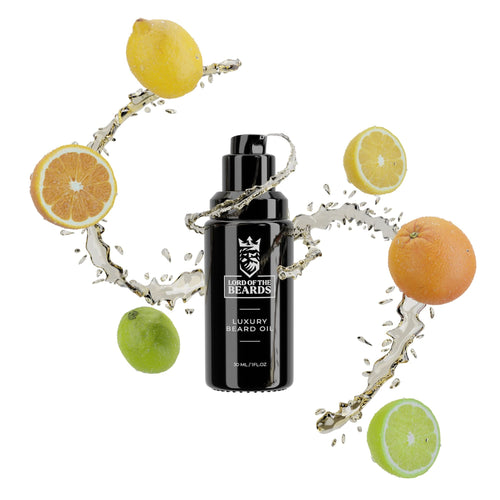
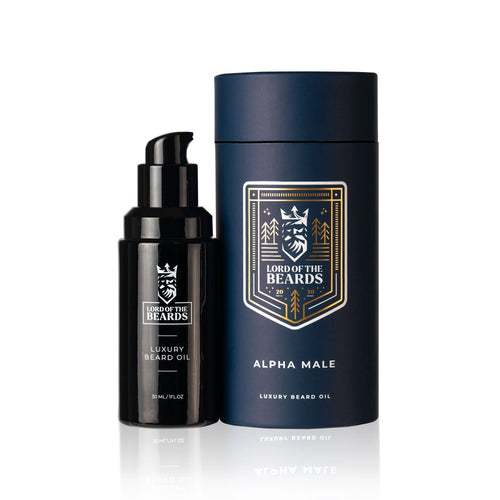
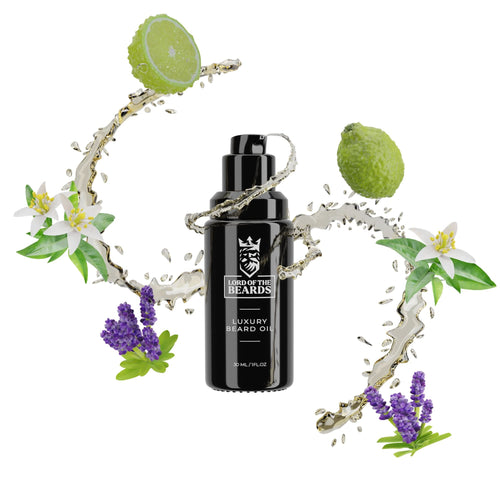
Lord of the Beards beard oil fits this routine well: lightweight conditioning paired with a lasting, signature scent that wears more like a finishing touch than a basic bathroom product.
Know When to Change Course
Not every style will suit every beard. Density, curl pattern, moustache growth and how quickly your hair grows all matter. A tapered full beard may be the right long-term goal, but a short boxed beard can look far stronger while your cheeks fill in. There is no prize for forcing a style your growth cannot yet support.
Give a new shape two or three weeks before judging it, unless the lines are clearly wrong. Beard hair needs time to settle, and a little daily conditioning often reveals more coverage than you first thought. If in doubt, start cleaner and shorter, then build length at the chin with intention.
The sharpest beard for a round face is the one that gives your features more direction while still looking like it belongs to you. Keep the sides controlled, let the chin do its work, and make the finishing scent part of the statement.