
Indulge in Luxury
Flakes on a black tee can ruin the whole effect. You can have the sharp fade, the solid beard line and a scent that turns heads, but if your beard is dropping white dust by midday, it knocks the edge off your presence fast. The good news is that beard dandruff treatment for men is usually straightforward once you stop treating the beard like the hair on your head.
Beard dandruff is rarely just a beard problem. More often, it is a skin problem hiding under facial hair. The beard traps dead skin, oil, sweat and product build-up close to the face, and when that balance goes off, flakes, itch and irritation follow. Sort the skin out, and the beard usually falls back into line.
What causes beard dandruff in men?
Most men blame dry skin, and sometimes they are right. Cold weather, central heating, hot showers and harsh cleansers can strip moisture from the skin beneath the beard. When the skin dries out, it starts shedding faster. Those tiny bits of dead skin get caught in the beard and suddenly your collar looks like it has had a dusting of chalk.
But dryness is only one part of the picture. In some cases, beard dandruff is linked to seborrhoeic dermatitis, a common skin condition that causes flakes, redness and greasy patches. If your beard feels itchy and the skin underneath looks irritated rather than simply dry, that may be the issue. Product residue can also play a part. Heavy styling products, cheap washes with aggressive detergents and even not rinsing properly can leave the skin unsettled.
Then there is simple neglect. A beard needs more than the odd splash of water. If you are growing it out, wearing it full and expecting it to look expensive, you need to treat the skin underneath like part of the grooming ritual, not an afterthought.
Beard dandruff treatment for men starts with the wash
The first move is not to scrub harder. That usually makes it worse. Overwashing strips the skin, and harsh shampoos can leave both beard hair and skin rough, brittle and more prone to flaking.
Use a beard-specific wash a few times a week rather than hitting it daily with standard hair shampoo. Beard hair is coarser, facial skin is more reactive, and the wrong cleanser can throw everything off balance. A proper beard wash lifts dirt, sweat and excess oil without stripping the face bare.
Water temperature matters as well. If your shower is hot enough to steam the mirror into oblivion, it is probably too hot for irritated beard skin. Lukewarm water cleans effectively without pushing the skin further into dryness.
If your flakes are mild, just switching to a gentler wash and reducing over-cleansing can make a visible difference within a week or two. If they are stubborn, keep going - but pair the wash with the next step, because cleansing alone is not the fix.
Oil is not optional when the skin is dry
A lot of men make the mistake of putting product on the beard hair and forgetting the skin beneath. That is where the problem starts, so that is where the treatment needs to land.
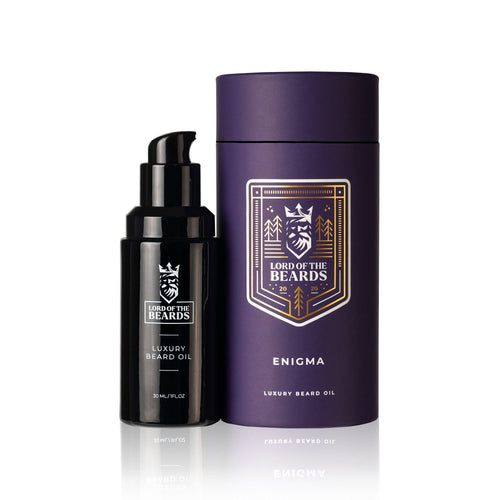
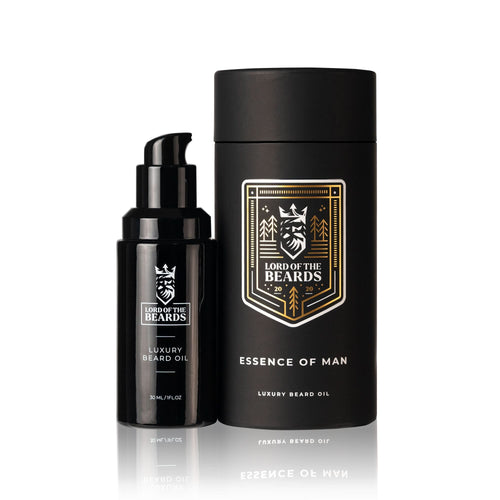
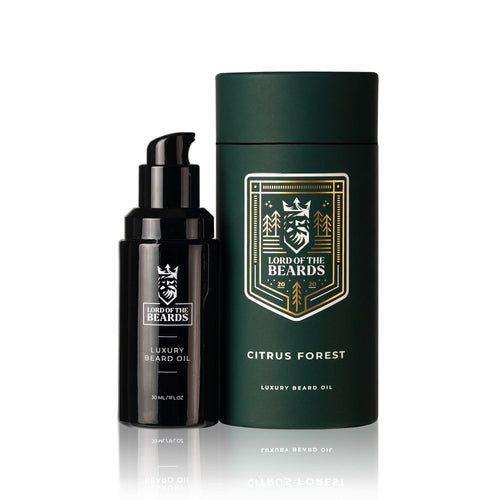
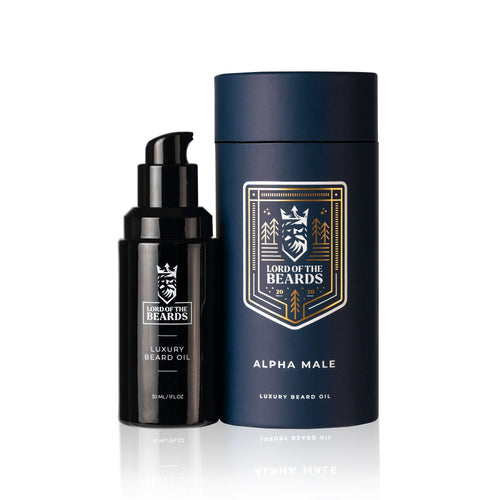
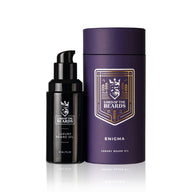
A quality beard oil helps replace moisture, soften coarse growth and reduce the rough texture that makes flaking more noticeable. More importantly, it helps condition the skin under the beard, which is the real battleground. Apply a few drops after washing, when the beard is towel-dry but still slightly damp, and work it right down to the skin with your fingertips before smoothing the rest through the length.
This is where premium grooming earns its place. A lightweight, fast-absorbing oil feels sharp rather than greasy, and it turns beard care from damage control into part of your signature. You are not just trying to stop flakes. You are building a beard that feels softer, looks cleaner and carries itself with confidence.
It does depend on your beard length and density. A short beard may only need two or three drops. A fuller beard will need more. If the beard looks slick or feels heavy, you have overdone it. If it still feels dry and rough an hour later, you probably have not used enough.
Exfoliation helps, but only if you keep it controlled
Dead skin does not always lift away on its own, especially under thicker growth. That is why some men keep seeing flakes even after using a decent oil. The skin needs a bit of help shifting the build-up.
A beard brush can do more than shape the beard. Used gently, it helps distribute oil and loosen dry skin before it collects into visible flakes. This is especially useful for short to medium beards where the skin is still fairly easy to reach. A couple of minutes each day can improve circulation, train the beard and keep the surface looking cleaner.
What you do not want is aggressive exfoliation. Facial scrubs with rough particles, stiff over-brushing or scratching at the skin can leave it angrier than it started. If the skin is red, stinging or inflamed, focus on calming it first rather than trying to sand the problem away.
When it is not just dry skin
If your beard dandruff is yellowish, greasy, persistent or paired with obvious redness, you may be dealing with seborrhoeic dermatitis rather than simple dryness. In that case, beard dandruff treatment for men may need a different angle.
An anti-dandruff shampoo with ingredients designed to tackle yeast overgrowth can help when used carefully on the beard area once or twice a week. The key word is carefully. Facial skin is more delicate than the scalp, so you do not want to go in heavy-handed or use it every day unless a pharmacist or GP has advised it. Follow with beard oil afterwards to stop the area drying out further.
If there is cracking, bleeding, severe irritation or no improvement after a few weeks, it is worth speaking to a pharmacist or dermatologist. There is no glory in battling a skin condition blindly when the right treatment can sort it faster.
Daily habits that quietly make beard dandruff worse
Sometimes the issue is not what you are doing once a week. It is what you are doing every day without thinking. Rubbing the beard dry with a towel, taking very hot showers, using face wash with strong acids under the beard, or piling on waxy products without washing them out properly can all keep the skin in a bad mood.
Weather plays a part too. Wind, cold air and indoor heating are hard on beard skin, especially in the UK winter when the air feels damp outside and bone-dry indoors. That is usually when flakes show up strongest. Your routine may need to change with the season. More hydration in winter, lighter application in summer, and less guesswork all year round.
Stress and lack of sleep can also show up on the skin. Not the most glamorous answer, but true. If your face is already prone to irritation, a rough patch in your routine can push it over the line.
The routine that keeps flakes under control
For most men, the winning routine is simple. Wash the beard with a gentle beard cleanser two or three times a week. Rinse with lukewarm water. Pat dry rather than rubbing. Apply beard oil into the skin and through the beard while it is still slightly damp. Use a beard brush to distribute product and lift loose skin. On off days, rinse with water if needed and reapply a smaller amount of oil.
If the flakes are clearly more than dryness, bring in a targeted anti-dandruff product once or twice a week and monitor how the skin responds. If it calms down, keep the routine steady. If it gets tighter, redder or more irritated, pull back and get proper advice.
Consistency beats intensity. You do not need ten products and a bathroom shelf that looks like a lab. You need the right products, the right frequency and a bit of discipline. That is what takes a beard from flaky and forgettable to polished and commanding.
A beard should add weight to your presence, not undermine it. Treat the skin under it with the same intent you bring to your trim, your scent and your style, and the flakes lose their hold. A strong beard does not just look the part - it feels right from the skin out.