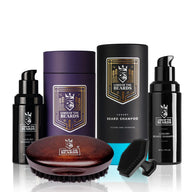

Indulge in Luxury
A beard can be freshly washed, conditioned with a quality oil and carrying a scent that turns heads, yet still look untidy if you use the wrong tool. The beard comb versus brush question is not about choosing a winner for every man. It is about knowing what your beard needs at that moment: detangling, shaping, lifting or directing.
A comb brings precision. A brush brings control. Put the right one in your hand and your beard looks intentional rather than merely grown out.
Beard Comb Versus Brush: The Real Difference
A beard comb has individual teeth that pass through the hair, separating strands and guiding them into position. It is the detail tool. It works close to the skin, helps distribute beard oil through the lengths and gives you accuracy around the moustache, cheeks and jawline.
A beard brush uses bristles to move a larger section of hair at once. Rather than separating every strand, it trains the beard to sit in a particular direction. It can make a beard appear fuller, neater and more substantial, especially when the hairs tend to stick out at awkward angles.
Neither replaces good grooming products. Beard oil keeps the hair soft and the skin beneath it comfortable, while balm can add hold to a longer or more unruly beard. Your tool determines how those benefits look in the mirror. The best routine is often not comb or brush, but the right order and timing for both.
When a Beard Comb Earns Its Place
A comb is usually the better first purchase for short to medium beards. When growth is still close to the face, a dense brush can feel too forceful and may not catch enough hair to make a visible difference. A well-made comb gives you control without dragging at the skin.
Use one after applying oil. Warm a few drops between your palms, work them through the beard with your hands, then comb from the neck outward and down through the lengths. This spreads the oil more evenly, helping each hair take on a softer finish rather than leaving product sitting on the surface.
Combs are also excellent for beard shape. If you favour a defined, tailored outline, combing lets you direct the beard under the chin and along the sides before you reach for a trimmer. It is particularly useful around the moustache, where precision matters. A few strokes to either side can stop hairs straying over your lip without flattening the rest of your beard.
Choose a comb with smoothly finished teeth and enough space between them for your hair type. Fine teeth suit a shorter, straighter beard and detailed moustache work. Wider teeth are kinder to thick, curly or coarse growth, where a narrow comb is more likely to snag. If every pass feels like a fight, the issue is not your beard. It is the wrong tooth spacing or trying to comb while the hair is too dry.
When a Beard Brush Takes Control
Once your beard has enough length for the bristles to grip, a brush changes the whole silhouette. It is the tool for men whose beard expands sideways, grows in different directions or loses its shape by lunchtime. Brushing gathers that volume and points it where you want it to go.
A brush is especially effective after showering, once the beard is towel-dried rather than dripping wet. Add oil first, then brush down and outward using deliberate strokes. This helps the beard lie flatter at the sides, adds a little lift through the front and directs the bulk below the jaw. The result is a more structured profile without a stiff, over-styled finish.
Natural boar bristles are popular because they have enough firmness to move coarse hair while helping spread natural oils and grooming product. They also give a satisfying level of grip for fuller beards. Softer bristles suit sensitive skin or finer facial hair, though they may not have the authority needed to tame a dense beard.
Do not attack your beard with a brush. Hard, repetitive brushing can create friction, encourage breakage and irritate the skin beneath, particularly if the hair is dry. Use calm strokes and let the bristles do their job. You are training the beard, not trying to overpower it.
Length, Texture and Style Change the Answer
For stubble and short beards, a comb is generally more useful. You can distribute oil, tidy the moustache and establish the direction of growth without scratching at your face with bristles that cannot properly reach the hair.
For a medium beard, either tool can work. This is where your texture becomes the deciding factor. Straight or fine hair often responds well to a comb for everyday tidiness. Coarser, wavier hair usually benefits from a brush, particularly if the sides flare out or the beard needs help looking fuller and more even.
For longer beards, use both. Start with a wide-tooth comb to ease out any tangles from the ends upward. Then brush the surface into your preferred shape. Beginning at the ends matters. Dragging a comb from root to tip through a knot pulls at the follicle and can snap hair. Work patiently through the snag, then move higher.
Your desired finish also plays a part. A comb creates definition and separation, which suits a sharper, more sculpted look. A brush creates a richer, more unified finish that makes the beard look denser. If you want a beard that carries itself like a well-cut coat, a brush is often the finishing move.
A Better Daily Routine
The strongest grooming routines are simple enough to repeat. In the morning, wash only when your beard genuinely needs it rather than stripping it daily with harsh cleansers. On a clean, towel-dried beard, apply beard oil to the skin and hair, taking a moment to work it beneath the surface where dryness begins.
Comb if you need to detangle, part the hair or distribute oil with precision. Follow with a brush when you want to set the direction and bring the whole beard into a cleaner shape. If you use beard balm, apply it after oil has had a moment to settle, then brush again lightly to spread the hold.
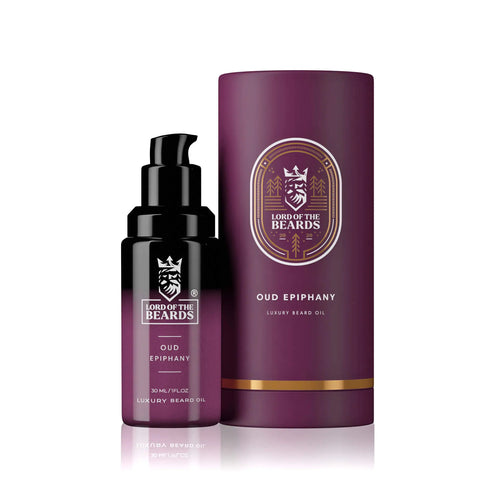
The scent is part of this ritual. A premium beard oil should not disappear the moment you step outside. Whether your preference leans warm and smoky, crisp and woody or dark and oud-led, brushing and combing after application helps prevent product from gathering in isolated patches. The fragrance wears more evenly, and your beard feels groomed rather than greasy.
At night, a quick comb can remove the day’s tangles before they turn into stubborn knots. You do not need a full styling session before bed. A little maintenance now saves pulling and frustration in the morning.
Common Mistakes That Make Both Tools Less Effective
The most common mistake is using a comb or brush on a soaking-wet beard. Wet hair stretches more easily and is more vulnerable to breakage. Towel dry gently first, leaving the beard slightly damp if you are applying oil.
Another is neglecting the tool itself. A comb collects oil, balm and debris between its teeth. A brush holds hair and product within the bristles. Clean both regularly with warm water and a mild cleanser, then leave them to dry completely. A premium grooming routine loses its edge when yesterday’s residue goes back onto a freshly washed beard.
Finally, do not brush or comb endlessly in pursuit of perfection. Overworking the beard can flatten its natural character and make it look thin. A few purposeful passes are enough. The aim is controlled confidence, not a beard that looks sprayed into place.
The Choice That Keeps Your Beard Looking Intentional
If you are choosing one tool for a shorter beard, choose a comb. If you have medium-to-long growth that needs direction, density and discipline, choose a brush. For the man serious about a polished finish, keep both within reach.
Your beard does not need a complicated ritual. It needs the right touch at the right time: oil for softness, a comb for detail, a brush for presence. Give it that attention each morning and the mirror will show a beard that looks as distinctive as the scent it carries.