FREE DELIVERY ON ALL UK ORDERS OVER £30


A patchy beard can look deliberate and sharp - or scruffy and hesitant. The difference is rarely genetics alone. More often, it comes down to whether your beard care routine for patchy beard growth is built to work with your growth pattern instead of fighting it.
If certain areas stay thinner, the goal is not to force overnight fullness. It is to create a beard that looks stronger, feels softer and carries itself with confidence. That means better hydration, smarter shaping, less aggressive trimming and products that give your beard presence - visually and through scent.
Why patchy beards need a different routine
A full, dense beard can hide mistakes. A patchy beard cannot. Dryness shows faster, uneven growth stands out more and one heavy-handed trim can wipe out weeks of progress.
That is why a beard care routine for patchy beard grooming should focus on control rather than excess. You want to nourish the beard you have, train it into place and give thinner areas the best chance to blend naturally. In practical terms, that means keeping the hair healthy, the skin underneath calm and the overall shape tight.
Patchiness also behaves differently from man to man. For some, it is all on the cheeks. For others, the connectors take their time or one side grows stronger than the other. Age matters as well. A beard at 23 may fill out very differently by 30. So yes, technique helps, but patience still has a seat at the table.
Start with the skin, not the mirror
Men often attack a patchy beard from the front. They stare at the gaps and start trimming around them. The smarter move is to start at the base - the skin.
Healthy beard growth depends on skin that is clean, balanced and not stripped dry. Washing your beard every day with harsh face wash or standard shampoo can leave the skin flaky and tight. That creates the rough, brittle look that makes patchiness more obvious.
Use a proper beard shampoo a few times a week, not every time you step into the shower. On off-days, rinse with warm water and avoid overworking the area. Once the beard is towel-dried, apply beard oil while the hair is still slightly damp. This helps trap moisture, soften texture and reduce that wiry look that exposes thinner spots.
A good oil also changes how the beard presents. Hair that is hydrated sits better, catches the light better and feels more substantial. If it carries a refined scent profile as well, your grooming routine does more than tidy you up - it gives you a signature.
The core beard care routine for patchy beard success
The strongest routine is the one you can actually stick to. Patchy growth does not need twenty steps. It needs consistency.
In the morning, rinse your beard or wash it if needed, then apply beard oil through the hair and into the skin beneath. Use your fingertips first, then spread it evenly with a beard brush or comb. This matters because patchy areas often need nearby hairs guided across them rather than left to do their own thing.
After oil, use a small amount of beard balm if your beard has enough length to benefit from hold. Balm is especially useful on patchy cheeks or weak connectors because it helps train the hair direction and adds a denser, more controlled finish. Oil hydrates. Balm shapes. If your beard is short stubble with uneven growth, oil will do more of the heavy lifting. If it is moving into short-beard territory, balm earns its place.
At night, keep it simple. If your beard feels dry, another light application of oil can help, especially in colder weather or if you live somewhere with hard water. You do not need to drench it. A few drops worked through properly is enough.
Growth strategy: stop trimming too soon
One of the biggest mistakes with patchy beards is trimming before the beard has had a chance to settle. Men see uneven growth at week two or three, panic, then cut everything back to where the patches are most visible.
Give it time. Four to eight weeks is often the minimum needed to understand your real growth pattern. Hair from stronger areas can begin to cover weaker zones, particularly around the cheeks and jaw. A patch that looks obvious at ten days can look far less noticeable at six weeks.
That said, there is a trade-off. Letting everything grow wild without any shaping can make a patchy beard look less intentional. The answer is not a full trim. It is light maintenance. Clean the neckline, tidy obvious strays and leave the bulk alone until you can see the beard’s natural direction.
Shape for strength, not symmetry
A patchy beard usually looks better when shaped to create density where you do have growth. Chasing perfect symmetry often makes things worse.
If your cheeks are sparse, bringing the cheek line slightly lower can create a cleaner, fuller frame. If the jaw and chin are stronger, keep a bit more length there so the beard has visual weight. If the moustache is solid but the sides are weaker, lean into that contrast instead of cutting everything down to match the thinnest area.
This is where restraint matters. Over-defining lines can make weak zones stand out. Softer, well-maintained edges usually look more natural and more expensive. Think polished, not painted on.
Beard oil, balm and brush - what matters most
If you only improve three things, improve these.
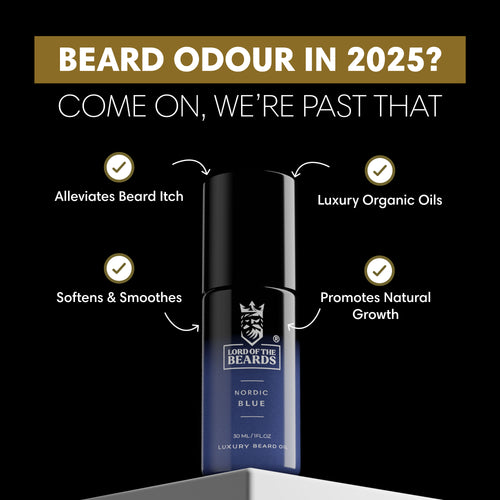
First, beard oil. For a patchy beard, the win is not magic regrowth. It is softness, better texture and a healthier-looking finish. Dry, frizzy hair separates and exposes gaps. Conditioned hair sits together and looks thicker. A lightweight, non-greasy oil is ideal because it absorbs fast and leaves the beard touchable rather than slick.
Second, beard balm. Not every man needs it every day, but it can transform a patchy beard by adding structure. The right balm gives enough hold to guide hair over thinner areas without making the beard stiff.
Third, a quality brush. A boar bristle brush or a firm beard brush distributes oil, exfoliates lightly and trains growth direction. It also helps your beard look finished instead of fuzzy. With patchy growth, direction is part of the style.
What not to do if your beard is patchy
The fastest way to weaken a patchy beard is to treat it like a dense one. Overwashing dries it out. Overtrimming removes cover. Comparing your growth to someone else’s beard wastes time and usually leads to bad decisions.
Avoid loading the beard with too much product as well. Heavy waxes and greasy oils can flatten the hair or clump it together, making sparse spots easier to see. And be cautious with beard fillers or darkening products. They can work for occasional use, but overdone, they look obvious in daylight and worse up close.
There is also the temptation to chase every growth hack going. Some men find supplements or lifestyle changes useful, especially where stress, sleep and diet are concerned. But if your expectation is a dramatic transformation in a fortnight, you are setting yourself up for disappointment. Better grooming delivers faster visible results than most miracle claims.
Make scent part of the routine
A patchy beard still makes an impression when it is well kept and smells exceptional. That is the edge many men overlook.
When your beard oil carries a deep, masculine scent - something woody, fresh, smoky or citrus-led depending on your style - your routine stops feeling like maintenance and starts feeling like presence. You are not just tidying facial hair. You are putting on character.
That matters because confidence shows. A beard that is brushed, conditioned and carrying a polished scent reads as intentional. People notice the overall effect long before they inspect the density on your left cheek. This is where premium grooming earns its place. Products that feel refined and last through the day make even an in-between beard feel more complete.
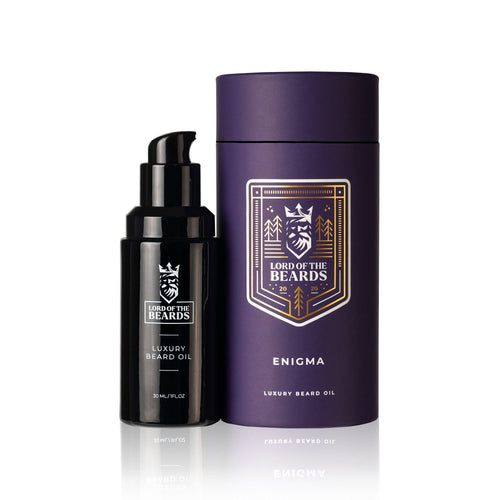
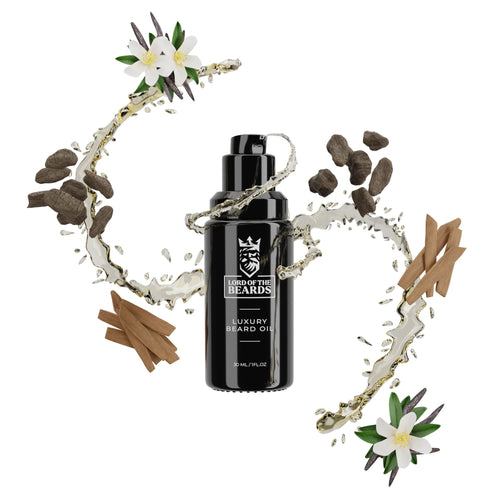
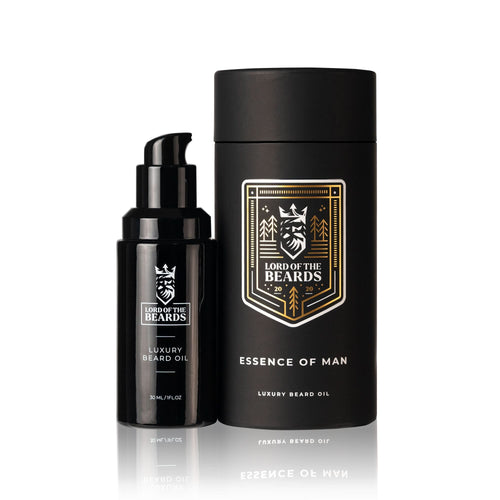
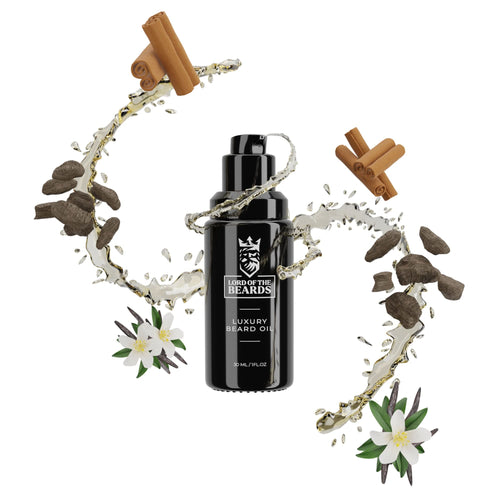
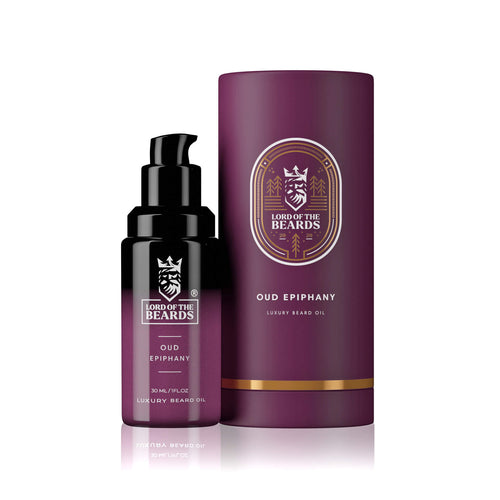
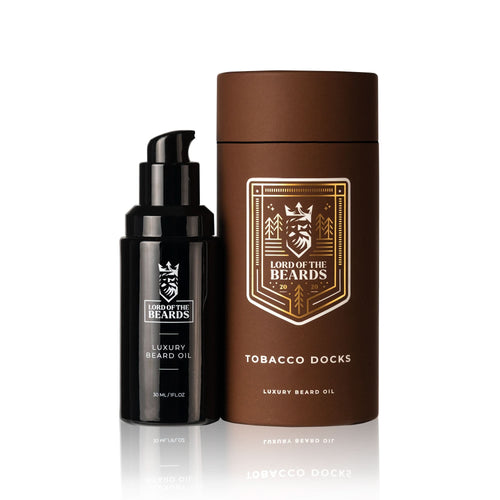
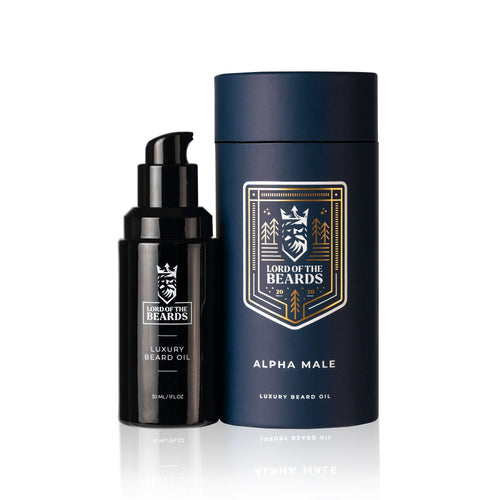
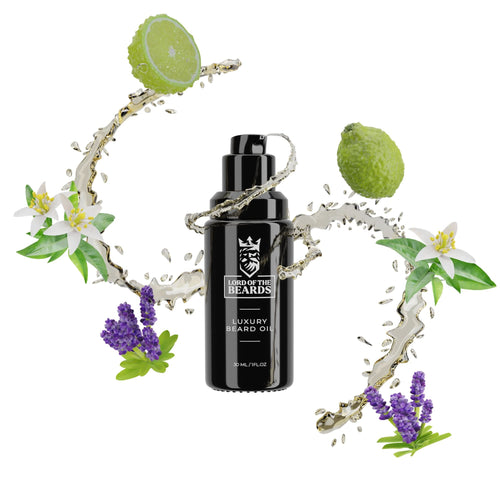
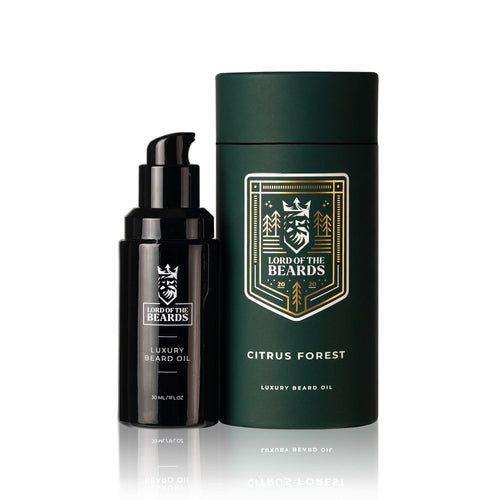
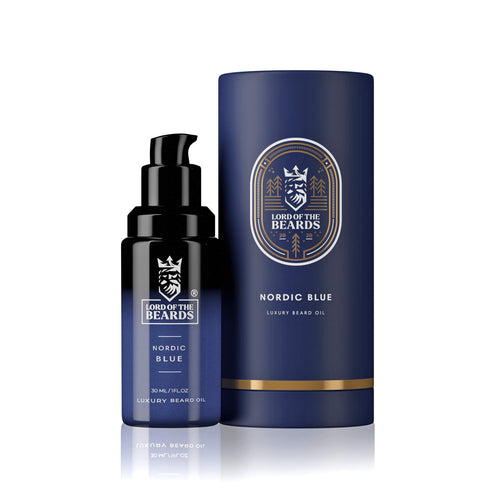
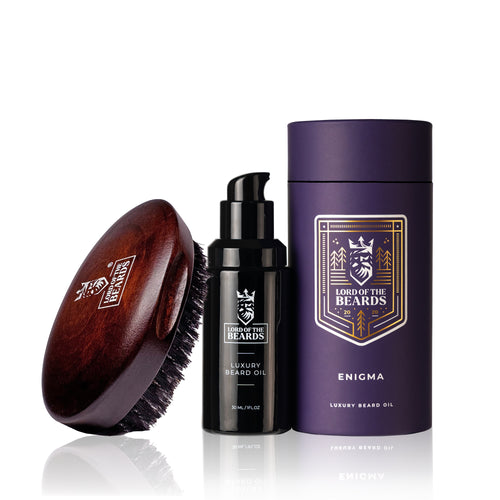
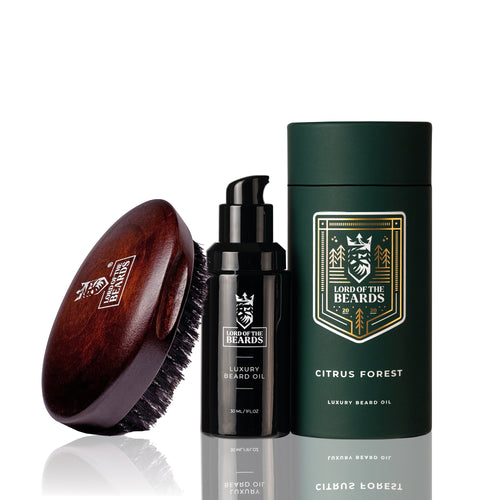
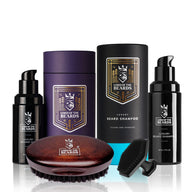
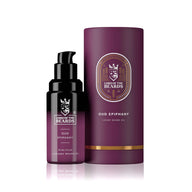
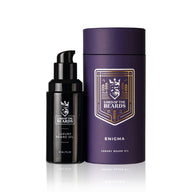
For men building that routine, Lord of the Beards leans into exactly this balance - beard care that performs, with fragrance profiles that wear like part of your identity.
When to change the style
Sometimes the best beard care routine for patchy beard grooming includes accepting that a different beard length will suit you better right now. That is not giving up. That is reading the room.
If your cheeks remain very sparse, heavy growth may never look as strong as a disciplined short beard or designer stubble. If the chin and moustache are your power zones, a goatee or extended goatee might suit your face better than forcing a full shape. The strongest style is the one that looks deliberate.
There is no shame in adjusting. In fact, it usually looks more confident. Men who own their growth pattern almost always look better than men trying to disguise it badly.
Patchy does not have to mean second best. It simply means your beard asks for more strategy. Get the skin right, use oil daily, shape with purpose and let scent do its work. A beard does not need to be thick everywhere to look powerful. It just needs to look like it belongs to a man who knows exactly what he is doing.