
Indulge in Luxury
A great beard is not built by throwing every product in the bathroom cabinet at it. It starts with a few deliberate moves, done consistently. This beard care routine for beginners keeps things simple: clean skin, conditioned facial hair, controlled shape and a scent that gives your presence an edge.
Your beard sits on your face all day. It catches food, city air, heat and whatever the weather throws at you. Treat it like an afterthought and it can feel dry, look untidy and turn itchy fast. Give it a proper routine and it becomes part of the way you show up.
Build Your Beard Care Routine for Beginners
The first rule is this: care for the skin beneath the beard as seriously as the beard itself. Healthy facial hair grows from comfortable, moisturised skin. If the skin is dry, irritated or clogged with residue, no amount of brushing will make the beard look its best.
Start each morning with a quick check in the mirror. Is your beard dry at the ends? Does the skin feel tight? Is the neckline beginning to lose definition? Your routine should respond to what is actually happening, rather than following a rigid formula every day.
Cleanse without stripping it
Wash your face daily, but do not use harsh body wash or standard hair shampoo on your beard. These can remove too much natural oil, leaving the beard rough and the skin underneath uncomfortable. A dedicated beard shampoo is made to lift dirt and build-up without making your beard feel like wire.
For most men, washing with beard shampoo two or three times a week is enough. Increase this if you train hard, work in a dusty environment or use heavier styling products. On the other days, rinse with warm water in the shower if needed. Very hot water feels good, but it can dry out the skin, so keep it comfortably warm rather than scorching.
Pat your beard dry with a towel. Do not scrub it aggressively. A beard that is dripping wet will dilute oil and balm, while one that is completely dry may not absorb them as evenly. Slightly damp is the sweet spot.
Use beard oil before you need it
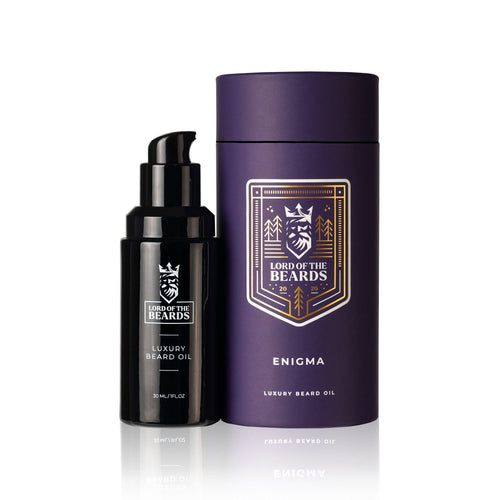
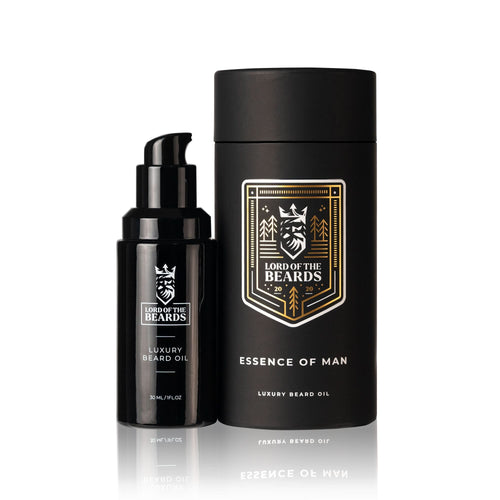
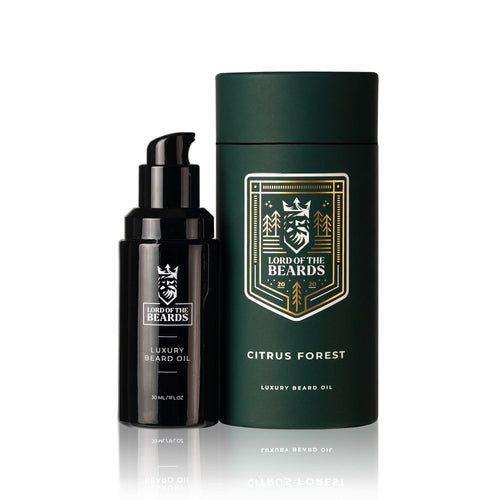
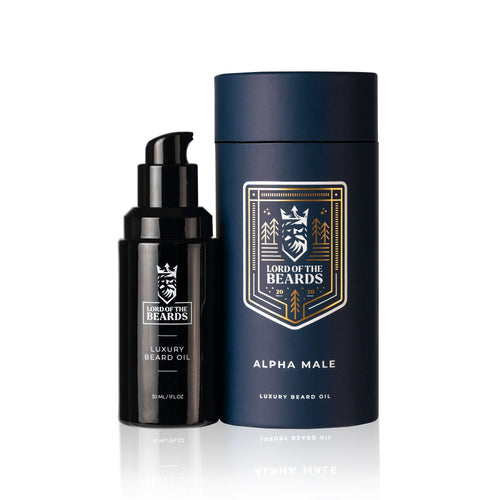
Beard oil is the foundation of a sharp routine. It softens coarse facial hair, conditions the skin underneath and leaves the beard looking healthier without a greasy finish when applied properly. It is not just for long beards either. Men in the early growth stage often benefit most, because oil can reduce that familiar itchy, scratchy phase.
Start with two or three drops for short growth, then use four to six drops as your beard gets fuller. Thick or longer beards may need a little more, but do not drown it. Warm the oil between your palms, work it into the skin first, then pull the rest through the lengths of the beard.
Take a moment to massage it in. This is where the difference happens. Rubbing oil only over the surface may create shine, but it does little for the skin that supports the beard. Finish by running your hands downwards to encourage the direction you want the beard to sit.
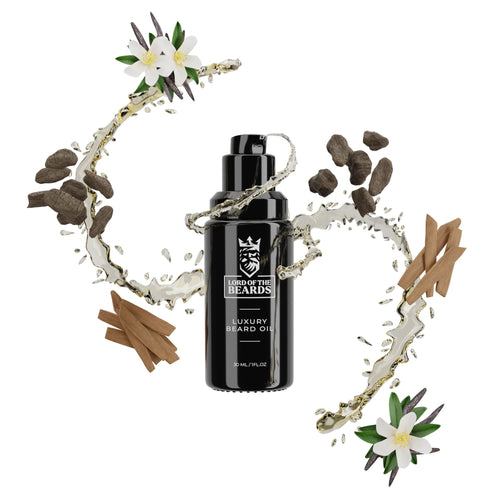
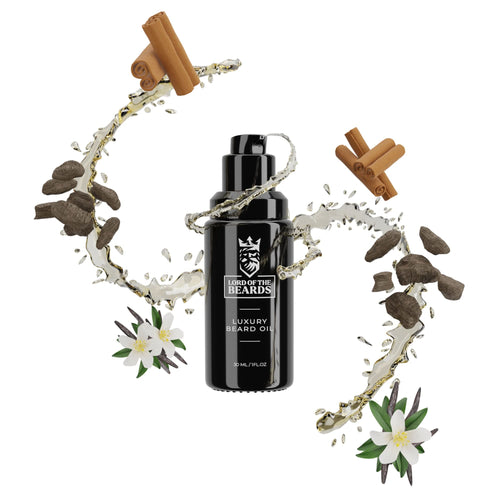
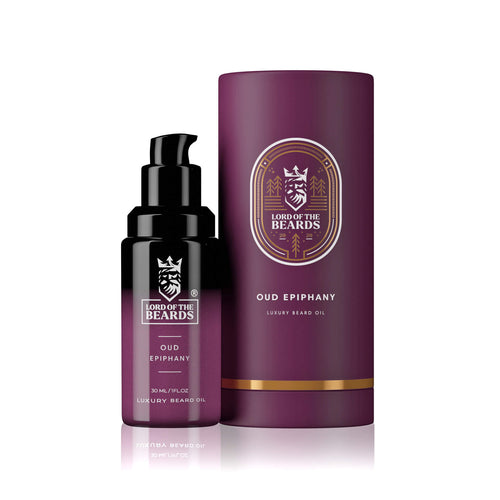
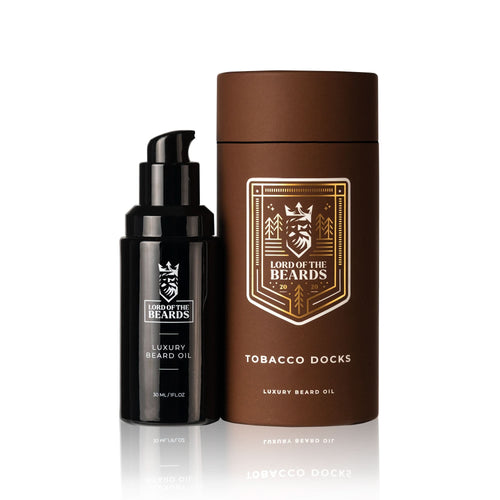
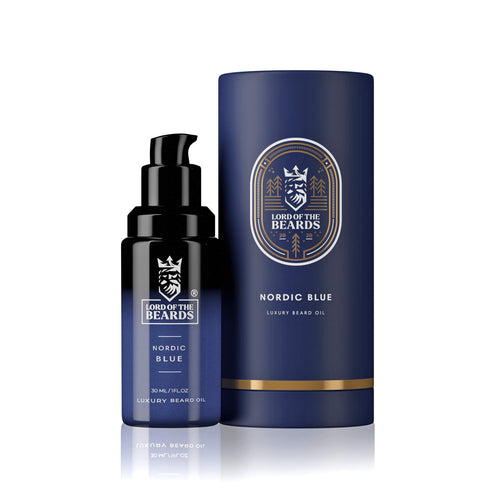
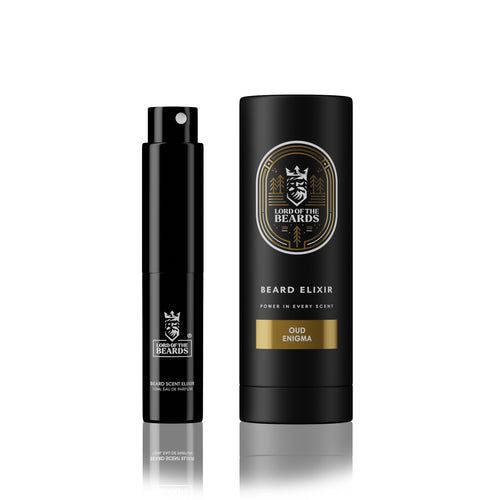
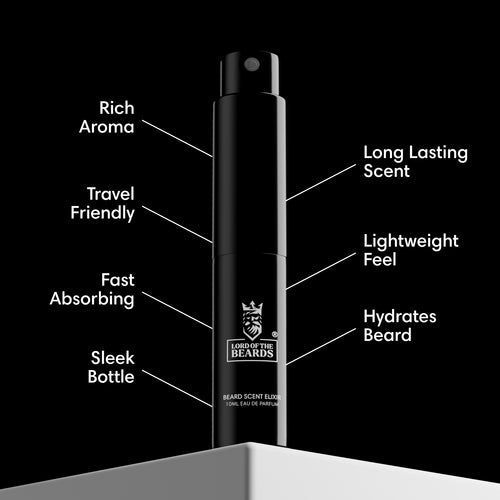
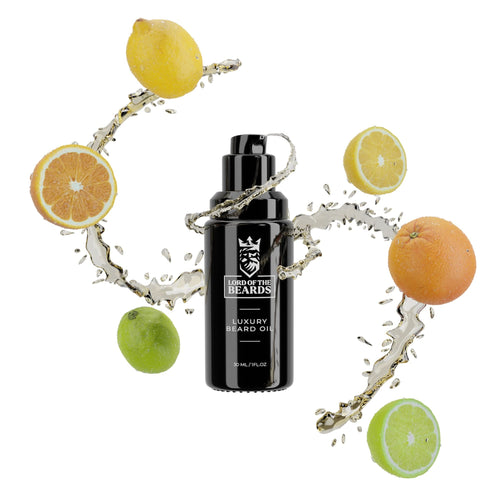
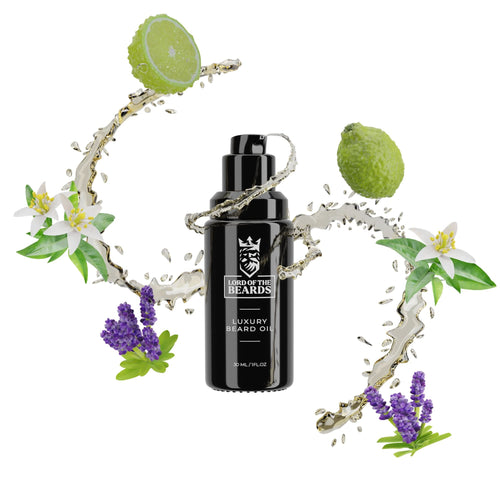
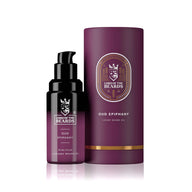
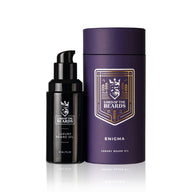
A premium beard oil also earns its place as part of your scent wardrobe. Choose a fragrance that fits the day. Fresh citrus and clean woods suit an early start or the gym commute. Oud, tobacco and darker notes carry more weight for evenings, dinners and the moments when you want to be remembered.
The Five-Minute Morning Routine
A beginner does not need an elaborate ritual. On most days, five focused minutes will do more for your beard than an occasional thirty-minute rescue session.
First, rinse or cleanse your beard as required and pat it until slightly damp. Apply beard oil, making sure it reaches the skin beneath. Then brush your beard down and out into shape, using a beard brush with firm but comfortable bristles. This distributes product, lifts loose hairs and makes the beard look more intentional straight away.
If your beard is medium length, naturally wiry or prone to sticking out around the cheeks, add a small amount of beard balm after oil. Rub it between your palms until it softens, then work it through the outer layer and use your hands to guide the shape. Balm offers more hold than oil, but it should not leave your beard stiff or waxy.
Finish by checking three places: the moustache, the cheek line and the neckline. These details can make a short beard look clean and considered, even if you are still growing it out. Press stray moustache hairs to the side, smooth the cheeks, and do not let the neckline creep down your neck.
Know What Each Tool Is For
Oil and balm are not rivals. They do different jobs, and whether you need both depends on your beard.
Beard oil is primarily for softness, skin comfort and natural-looking conditioning. It is usually enough for short beards, new growth and men who want a lightweight finish. Beard balm combines conditioning oils with ingredients that add a little structure. It is the better choice when your beard needs help holding a shape, particularly in cold or windy weather.
A brush works best for shorter to medium beards and is ideal for training hair to lie in one direction. A comb comes into its own once the beard is longer or denser, when you need to detangle and reach through the bulk without tugging. Neither tool needs force. If you are pulling hard enough to hurt, slow down and add a little more conditioning first.
Trimmers are useful, but beginners often reach for them too soon. Let your beard grow for a few weeks before making major decisions about shape. Early growth can look uneven because hairs grow at different speeds. That does not always mean the beard is patchy. Give it time, then tidy the obvious outliers rather than carving away potential fullness.
Give Your Beard a Weekly Reset
Once a week, take a closer look at your beard in good light. Wash it properly, condition with oil, brush it through and assess the shape before touching a trimmer. This is the time to clear hairs that sit far outside your intended cheek line, trim a wild moustache and neaten the neckline.
A simple neckline guide is to place two fingers above your Adam's apple and imagine a gentle curve running towards each jaw. Keep the line natural rather than cutting a severe horizontal edge. Your face shape, beard density and preferred style all matter, so use this as a starting point, not a law.
If the beard feels heavy with product, looks dull or smells less fresh than it should, it may need a proper cleanse. Equally, if it feels brittle after washing, the answer is usually more conditioning, not more shampoo.
Beginner Mistakes That Make Beards Look Worse
Most beard problems are routine problems, not beard problems. Avoid these four traps:
- Using too much oil. More drops do not equal more confidence. Excess oil can sit on the surface, transfer to collars and make facial hair look slick.
- Washing every day with aggressive shampoo. Clean is good; stripped and itchy is not.
- Trimming when frustrated. A bad beard day is rarely fixed by taking off half an inch in poor lighting.
- Ignoring scent. Your beard is close to your nose and everyone else’s. Choose a fragrance you genuinely want to wear for hours.
Let the Routine Grow with Your Beard
A two-week beard needs comfort and patience. A two-month beard needs conditioning and direction. A fuller beard needs a little more product, more careful brushing and occasional shaping. There is no prize for using the most products. The right routine is the one that makes your beard feel soft, look controlled and suit your life.
For a clean, everyday finish, oil and a brush may be all you need. For a dense beard that has its own opinions by lunchtime, add balm. For a gift that gives someone everything required to start properly, a well-chosen grooming kit removes the guesswork without making the routine feel complicated.
Lord of the Beards approaches this final detail with the attention it deserves: a beard oil should condition your beard, but it should also leave behind a scent with character. Make your routine a small daily standard. The beard will follow, and so will the confidence.